






A whiplash of a news cycle at Nvidia, the world's most important AI chipmaker, has left the tech industry reeling. CEO Jensen Huang resigned amid espionage allegations, only to be reinstated less than two weeks later. What does this unprecedented corporate
drama signal about the intersection of technology, national security, and global commerce?
A Stunning Resignation and Reversal
On November 12, 2026, Nvidia co-founder and CEO Jensen Huang abruptly resigned from the company he has led since 1993. His departure came after reports of extramarital affairs, including one with an executive at a partner firm who is allegedly suspected by U.S. authorities of having ties to Chinese intelligence. The news sent shockwaves through the tech world and caused Nvidia's market value to plummet. However, in a shocking turn of events, on November 23, Nvidia's board announced it had unanimously voted to reinstate Huang as CEO. The company stated that after discussions with senior U.S. government officials, the board was confident Huang's return posed no national security risk. Employees reportedly greeted his return with thunderous cheers.
The Espionage Allegations at the Center
The core of the scandal revolves around Huang's relationship with Alice Huang (no relation), an executive at Megaspeed, a Singapore-based partner of Nvidia. Reports claim U.S. authorities suspect she may have acted on behalf of Chinese intelligence. Megaspeed itself has been under investigation over whether it helped Chinese firms access powerful Nvidia chips in violation of U.S. export controls. While Beijing has denied the espionage allegations, the situation has ignited serious national security concerns in Washington. The fear is that a compromised executive at the helm of a company so critical to America's technological infrastructure could become a vector for intelligence leaks or foreign influence. Lawmakers from both parties have called for answers from Huang and Nvidia.
A Company Caught in a Geopolitical Vise
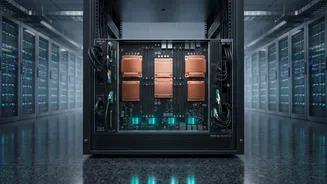
Nvidia is not just any company; its advanced graphics processing units (GPUs) are the foundational hardware of the AI revolution. This makes it a central player in the escalating tech rivalry between the U.S. and China. Washington has been tightening restrictions on chip sales to China, fearing the technology could be used for military purposes. Huang had previously been an influential voice in Washington, arguing for continued access to the Chinese market. The scandal has intensified the debate, strengthening the hand of those in Congress who advocate for even stricter controls. Despite Huang's reinstatement, Nvidia has established a new National Security and Export Control Committee and is searching for a Chief Compliance Officer, signaling a new era of heightened scrutiny.
Why the Turmoil at Nvidia Matters for India
For India, which has its own ambitious plans for semiconductor manufacturing and a booming technology sector heavily reliant on AI, the instability at Nvidia is a significant development. The episode serves as a stark reminder of the fragility of the global technology supply chain, which is heavily concentrated in a few companies and geographies. As the world's most dominant provider of AI chips, any disruption at Nvidia—whether from leadership turmoil or new geopolitical restrictions—can have a ripple effect on Indian tech companies' ability to access the hardware they need to innovate and grow. It underscores the strategic importance of India's 'Make in India' push in electronics and semiconductors, as creating a more resilient domestic ecosystem is crucial to insulate its burgeoning digital economy from such global shocks.