






What is NEAT, Really?
NEAT stands for Non-Exercise Activity Thermogenesis, and it's a fancy term for all the calories you burn while living your life. This includes everything from walking to your colleague's desk, carrying groceries, tidying up the house, and even fidgeting
in your chair. While these small movements may seem insignificant on their own, their cumulative effect on your total daily energy expenditure can be substantial. In fact, the variation in NEAT is a major reason why two people with similar body sizes can have vastly different daily calorie burns. For those who are not engaged in regular, structured exercise, NEAT becomes the main component of their activity-related energy use.
Stand Up for Your Health
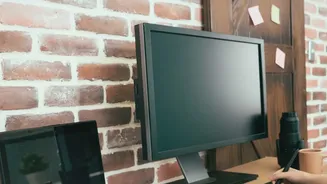
One of the simplest ways to increase your NEAT is to reduce your sitting time. If you have a desk job, you likely spend a significant portion of your day seated. Studies have shown that obese individuals tend to sit for hours longer than their lean counterparts. Making a conscious effort to stand more can make a big difference. Consider investing in a standing desk or creating a DIY setup. Take phone calls or read reports while standing. Increasing your standing time by just a couple of hours a day can significantly boost your energy expenditure. The goal is to break up long periods of uninterrupted sitting, which can otherwise cause blood sugar levels to rise.
Turn Chores into Workouts
Household chores might not be glamorous, but they are a fantastic source of NEAT. Activities like vacuuming, scrubbing floors, gardening, washing the car, or even carrying laundry up and down stairs all get your body moving and burning calories. Instead of trying to be as efficient as possible, think about how you can add more movement. For example, make multiple trips to put away laundry or groceries. When you're cooking, move around the kitchen, stretch while waiting for water to boil, and put on some music to encourage a little dancing. These small actions help strengthen muscles, improve circulation, and contribute to your daily calorie burn without feeling like a workout.
Rethink Your Commute and Errands
Your daily travel offers many opportunities to boost your NEAT. If you live close enough, consider walking or cycling to work or for short errands instead of driving. If you take public transport, get off one stop early and walk the rest of the way. When driving, park your car at the farthest end of the parking lot to get in some extra steps. Always opt for the stairs over the elevator or escalator. These choices might add a few minutes to your journey, but they also add valuable, low-impact physical activity to your day, which strengthens your bones and muscles over time.
Embrace the Fidget
Fidgeting often gets a bad rap, but it's a prime example of NEAT in action. Tapping your feet, drumming your fingers, or shifting your position in your chair are all small, subconscious movements that expend energy. While you might not want to consciously start fidgeting in a meeting, the principle is about avoiding stillness. Encourage more micro-movements throughout your day. When you're stuck in your chair, do some simple stretches, roll your ankles, or gently twist your torso. These small movements, often called 'exercise snacking', can add up and provide real benefits.
Schedule Movement Breaks
For those with sedentary jobs, it's crucial to break up long periods of sitting. Set a timer to remind yourself to get up and move for a few minutes every hour. You can use this time to walk to get a glass of water, do a few stretches by your desk, or simply walk around the office. Instead of sending an email to a colleague in the same building, walk over to their desk for a face-to-face conversation. These short bursts of activity not only contribute to your NEAT but also help improve focus, reduce feelings of anxiety, and can even boost your mood by releasing endorphins.