





The Rise of the Digital Trail
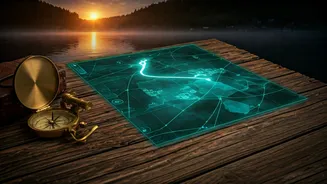
Forget dusty, outdated guidebooks. The new maps for exploring India’s Northeast aren’t printed on paper; they are living, breathing digital documents created by travelers, for travelers. These aren't official surveys from a government body, but rather
a collection of shared Google My Maps, detailed blog post itineraries, and extensive threads in private social media groups. Think of them as a digital version of a whispered secret. One traveler discovers a pristine homestay in a village near the Siang River in Arunachal Pradesh, pins it, and adds a note: “Ask for the host’s mother’s home-cooked fish curry.” Another finds a reliable driver for the winding roads to Meghalaya’s Nongriat and shares their contact. These fragments of information, when compiled, create a rich, detailed, and incredibly practical guide to navigating a region that’s notoriously light on mainstream tourist infrastructure.
Why Here, Why Now?
The Northeast has always been a bucket-list destination, but its remoteness posed significant challenges. Limited online information, unpredictable road conditions, and complex permit requirements (for states like Arunachal Pradesh) often made spontaneous solo trips difficult. The post-pandemic surge in domestic travel, however, created a perfect storm. A new generation of Indian travelers, eager for authentic and off-beat experiences, began venturing into the region. They were digitally savvy and community-oriented. Faced with a lack of reliable data, they started creating their own. This trend empowers solo adventurers, especially women, who rely on these trusted recommendations for safety and logistics. It’s a solution born out of necessity, transforming a once-intimidating journey into an accessible adventure.
More Than Just a Pin Drop
What makes these crowdsourced maps so powerful is the layer of human experience they contain. A pin on a map might just mark a location, but these shared resources offer context that no commercial platform can replicate. You won’t just find the location of a village; you’ll find out which family runs the most welcoming homestay, the best season to see the river in its full glory, or which local guide tells the most compelling folk tales. These are maps built on a foundation of trust. They often include crucial safety tips, like “avoid this road after sunset” or “this area has poor mobile network, download offline maps.” For solo female travelers, in particular, these tidbits—recommendations for trusted female guides or homestays run by families—are invaluable, providing a layer of security that encourages more women to embark on their own journeys.
How to Find These Hidden Guides
These maps are rarely found on a simple Google search. They thrive in closed, niche communities where trust is paramount. Your best bet is to join dedicated travel groups on platforms like Facebook. Search for groups like “Solo Women Travellers Club,” “The India Travel Club,” or other communities focused on backpacking and Himalayan travel. Once you're in, use the search function for keywords like “Northeast itinerary,” “Arunachal map,” or “Meghalaya homestays.” Reddit is another goldmine, with subreddits like r/solotravel and r/IndiaTravel hosting detailed trip reports and shared Google Maps links. Finally, follow travel bloggers who specialize in slow, immersive travel in India. Many of them share their meticulously planned routes and resource lists, forming the backbone of this crowdsourced movement.
A Traveler's Responsibility
Accessing this wealth of information comes with a responsibility to be a good digital citizen. First, always try to verify critical information. Since these are community-run resources, a homestay might have closed or a phone number might have changed. Use the information as a starting point, not gospel. Second, respect the local culture. Many of these river villages are not traditional tourist spots; you are a guest in someone’s home and community. Be mindful, dress appropriately, and always ask for permission before taking photographs of people. Finally, and most importantly, contribute back. If you have a great experience with a guide, find a new trail, or discover a lovely café, add it to the collective knowledge. Share your findings in the same groups where you found your inspiration. This virtuous cycle is what keeps these maps alive and useful for the next traveler.