





The High Cost of Passenger Anxiety
The decision to travel is no longer just about cost and destination; for many, it's a mental calculation of whether the stress is worth it. According to the '2026 Passenger IT Insights' report by SITA, a leading IT provider for the air transport industry,
a remarkable 42% of travellers have decided against booking a trip because they anticipated it would be too stressful. This finding, based on a survey of nearly 8,000 passengers across 24 countries, paints a clear picture: passenger anxiety is not just a personal inconvenience but a significant commercial problem, leading to billions in lost revenue for airlines, airports, and the wider travel economy. Every cancelled trip represents a lost seat booking, a vacant hotel room, an un-rented car, and missed sales at airport shops and restaurants.
Who Is Skipping Flights the Most?
The issue of travel stress disproportionately affects the industry's most valuable customers. The SITA report found that six in ten frequent flyers (61%) have abandoned a trip due to anticipated stress. This is a critical demographic for airlines, representing a loyal and high-spending customer base. Similarly, more than half of travellers under the age of 30 have also opted out of a stressful journey, raising concerns about the industry's appeal to the next generation of flyers. These are digitally native passengers who expect seamless experiences, and their willingness to forgo travel highlights a growing disconnect between passenger expectations and the reality of the modern airport experience.
Pinpointing the Pain Points
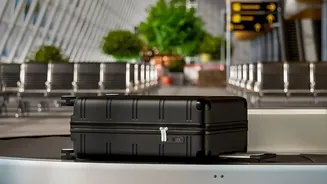
So, what exactly is causing this travel-related dread? The primary culprits are operational uncertainty and a lack of clear communication. Passengers identified flight delays, long waiting times, and baggage handling as their biggest frustrations. The anxiety often comes from not knowing what happens next—if a flight is delayed, where the new gate is, or whether their luggage will make the connection. The period between clearing security and boarding has become a particular hotspot for anxiety, with a third of passengers now feeling anxious during this dwell time, a threefold increase from 2023. This is also the window when airports make significant commercial revenue, meaning stressed passengers are less likely to shop or dine.
The Double-Edged Sword of Technology
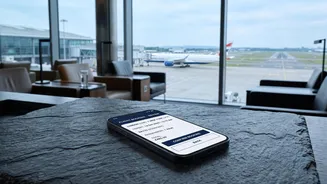
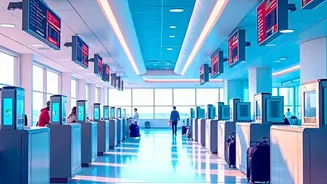
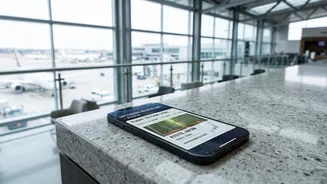
While flying has become more technologically advanced, the passenger experience can still feel fragmented. Travellers often have to navigate multiple airline and airport apps, confusing wayfinding signs, and new biometric systems that promise speed but sometimes add complexity. However, passengers overwhelmingly believe technology is the answer. Eight out of ten travellers surveyed said they believe technology can reduce the stress of air travel, a figure that rises to 89% for frequent flyers. The demand is not for more random tech, but for integrated solutions that provide a single source of truth. Passengers want real-time updates on their phones, live wait times displayed on screens, and a sense of control over their journey.
A Path to Calmer Travels
The SITA report highlights that calming passenger nerves is a commercial imperative. The key lies in better data sharing between airlines, airports, ground handlers, and border agencies to provide passengers with a clear, real-time view of their entire journey. The United Arab Emirates offers a glimpse of this future. There, 77% of passengers used technology at border control, and only 13% reported negative emotions during that stage, compared to a 37% average across the entire survey. When passengers know what to expect—from security queue lengths to their bag's location—anxiety decreases. This confidence not only secures the initial booking but also encourages them to spend more time and money at the airport, turning stressful waiting into relaxed dwell time.