


Lake Baikal, Siberia: The Pearl of Siberia
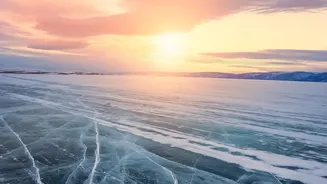
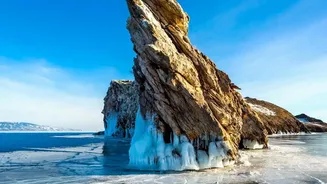
As the world’s oldest and deepest lake, Lake Baikal in Siberia holds about 23% of the world's fresh surface water. In winter, it becomes a natural masterpiece. The ice season, which typically runs from late January to mid-April, sees the surface freeze
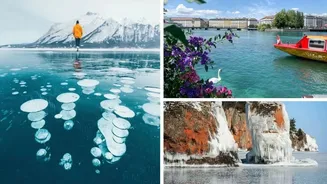
up to 1.5 metres thick, making it strong enough to support vehicles. Its most famous feature is its astonishingly clear, glass-like ice, offering visibility up to 40 metres deep, revealing the world beneath. Visitors can experience the thrill of driving on designated ice roads, skating on what feels like the world's largest rink, or taking a hovercraft tour to see mesmerising ice caves, frozen methane bubbles, and unique ice formations. For the best conditions and sunniest weather, plan a trip between late February and mid-March. The closest major city is Irkutsk, which serves as the primary gateway to this frozen wonder.
Jökulsárlón, Iceland: The Glacier Lagoon
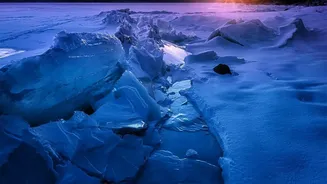
While not a traditional lake, Jökulsárlón is a stunning glacial lagoon on Iceland's south coast, fed by the Breiðamerkurjökull glacier. It’s famous for the huge icebergs that break off the glacier and float through the lagoon towards the Atlantic Ocean. These crystalline chunks of ice wash ashore on a nearby black sand beach, creating the spectacular sight known as Diamond Beach. Winter, from mid-November to early March, is a prime time to visit, as it offers the chance to explore naturally formed blue ice caves with a guide. Though the lagoon rarely freezes completely due to its depth and connection to the ocean, the winter light creates a dramatic, ever-changing landscape. The area is accessible year-round, weather permitting, and offers a glimpse into the raw power and beauty of Iceland's glaciers.
Lake Bled, Slovenia: A Fairytale Winter
Lake Bled is picturesque in any season, but winter adds a layer of quiet magic. With its iconic church on a tiny island and a medieval castle perched on a cliff above, the scene becomes a real-life fairytale when dusted with snow. While the entire lake only freezes over during exceptionally cold winters, an outdoor ice rink is often set up with stunning views. Visitors can still take a traditional 'pletna' boat to the island, explore the year-round Bled Castle, and walk the 6km path around the lake for peaceful, snowy vistas. The surrounding area also offers winter sports like skiing and snowshoeing in the Julian Alps. Visiting between December and February offers a festive atmosphere or a quieter, serene getaway.
Lake Shikotsu, Japan: The Ice Festival
Located in Hokkaido, Japan's northernmost island, Lake Shikotsu is renowned for its exceptional water clarity. This caldera lake rarely freezes over completely due to its depth, but its shores become the stage for the magical Lake Shikotsu Ice Festival. Held annually from late January to mid-February, the festival features large ice sculptures created by spraying and freezing the lake's pure water. During the day, these structures glisten with a natural blue hue known as 'Shikotsu blue'; at night, they are illuminated with colourful lights, creating a dreamlike kingdom. The event also includes fireworks, ice slides, and traditional drum performances, making it a vibrant cultural experience in a stunning natural park.
Lake Peipus, Estonia: The Frozen Sea
Forming a natural border between Estonia and Russia, Lake Peipus is the fifth-largest lake in Europe. In winter, its vast surface freezes over, creating an immense, snow-covered landscape that feels like a frozen sea. This unique setting offers a range of authentic winter activities. Visitors can try ice fishing, a deeply rooted local tradition, or take a ride on a 'karakat'—a unique, locally built vehicle with large tires designed for navigating the ice. Other popular activities include snowmobiling, sleigh rides, and even enjoying a sauna on the ice. The region is also known for its distinct Old Believers' culture, with charming villages along the coast offering a glimpse into a unique way of life.