








What is Financial Breathing Space?
Financial breathing space is the gap between your income and your essential expenses that allows you to handle life without constant money-related stress. It isn't just about having cash in the bank; it’s a state of stability built on three core pillars.
First is a robust emergency fund, typically holding three to six months' worth of essential living expenses. This fund acts as your personal safety net for unexpected events like a job loss or a medical bill. Second is manageable debt. This means you have a clear plan to pay down high-interest debts, such as credit card balances, rather than letting them accumulate. Finally, it involves consistent savings and investments for your future goals, ensuring you are planning for retirement and other major life milestones.
The Hidden Danger of 'Lifestyle Creep'
When your income increases, it's natural to want to enjoy the rewards of your hard work. However, allowing your spending to rise just as quickly is a phenomenon known as 'lifestyle creep' or 'lifestyle inflation'. This gradual increase in spending can seem harmless at first—a nicer car, more frequent dining out, a bigger apartment—but it slowly erodes the potential benefits of your higher income. The primary danger is that it reduces your ability to save, leaving you financially vulnerable despite earning more. People caught in this cycle often find themselves still living paycheck to paycheck, just with more expensive obligations. This can lead to increased stress and debt accumulation if your income were to suddenly drop.
How to Build Your Financial Buffer
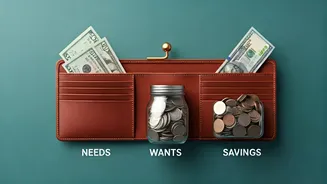
Creating financial breathing room is an intentional process. A great starting point is adopting a clear budget, such as the 50/30/20 rule, where 50% of your after-tax income goes to needs, 30% to wants, and 20% to savings and debt repayment. The most effective strategy is to 'pay yourself first'. Set up automatic transfers to a separate high-yield savings account for your emergency fund the day you get paid. This way, the money is out of sight and less tempting to spend. Prioritize paying down high-interest debt, as the interest you pay can cancel out any gains from investments. While building your emergency savings, focus on making at least the minimum payments on all debts to keep them from growing.
Knowing When You're Ready to Upgrade
So, when is it safe to start enjoying a more expensive lifestyle? The answer lies in your financial foundation. A clear sign of readiness is having a fully funded emergency fund that covers at least three to six months of essential expenses. Another key indicator is that your high-interest debts are paid off or well under control. You should also have a consistent savings rate for long-term goals like retirement. Instead of letting your entire raise get absorbed by new expenses, a wise approach is to allocate a portion of it. For example, some experts suggest using an 80/20 split: dedicate 80% of any new income towards financial goals (savings, investments, debt paydown) and use the remaining 20% for guilt-free lifestyle enhancements.
Upgrading Your Lifestyle the Smart Way
Once you have your financial breathing space, upgrading your lifestyle doesn't have to mean overhauling your entire life at once. Smart upgrades are gradual and intentional. Focus on changes that bring you the most value and happiness. Studies suggest that spending money on experiences or things that save you time—like a cleaning service or meal delivery kit—often brings more lasting satisfaction than material goods. Consider upgrading one area at a time. Instead of buying a new car and moving to a bigger house simultaneously, choose one priority. This allows you to assess the financial impact before committing to further changes. The goal is to enjoy the fruits of your labor without sacrificing the peace of mind that financial security provides.