

The Challenge of the City Sky
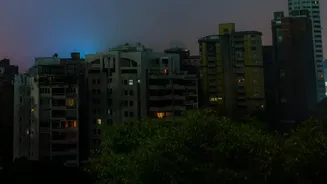
For countless city dwellers, the cosmos is a distant concept. The glow from streetlights, buildings, and traffic, known as light pollution, washes out all but the brightest celestial objects. Where a rural sky might reveal thousands of stars and the hazy
band of the Milky Way, an urban sky often shows only the Moon, a few planets, and a handful of resilient stars. This can make traditional stargazing, which relies on star-hopping from one known point to another, nearly impossible and deeply frustrating for beginners. It’s a classic case of not being able to see the stars for the light.
A Planetarium in Your Palm
This is where modern technology steps in. Stargazing apps turn your smartphone into a powerful, portable planetarium. Using your device's built-in GPS and compass, these apps know exactly where you are and which direction you're pointing. When you hold your phone up to the sky, the app displays a real-time map of what’s above you, identifying stars, constellations, and planets instantly. It bridges the gap between the few specks of light you can see and the rich, invisible universe hiding behind the city glow.
Key Features for the Urban Astronomer
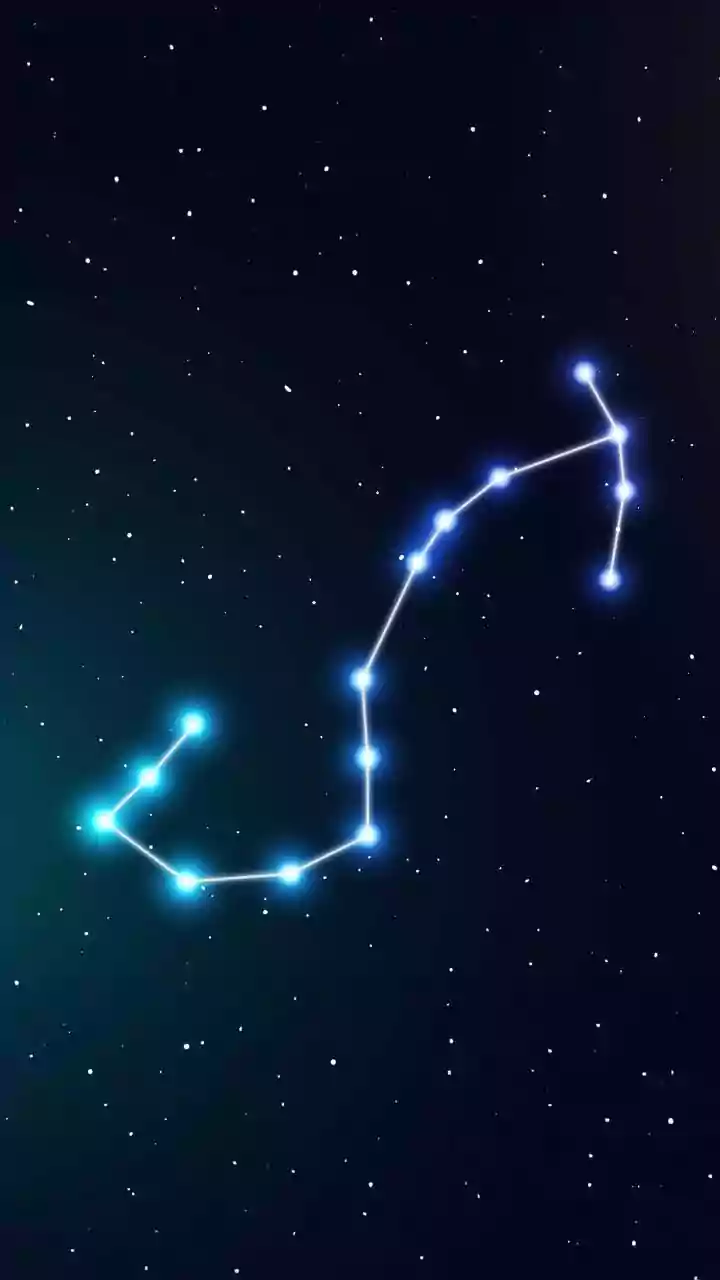
What makes these apps so effective in an urban environment are a few key features. The most magical is Augmented Reality (AR). This mode overlays constellation lines, star names, and celestial body illustrations directly onto your camera's live view of the sky. You’re no longer just looking at a star map; you're seeing the cosmos mapped onto your own surroundings. Many apps also include a “red light mode” which preserves your night vision, and some offer light pollution filters that adjust the app’s display to more realistically match what’s visible from your specific location, managing expectations and reducing frustration.
Your Guide to Cosmic Events
Beyond simply identifying what's already there, these apps serve as your personal cosmic calendar. They provide notifications for upcoming events like meteor showers, planetary conjunctions, and International Space Station (ISS) flyovers. Apps like Sky Tonight offer a calendar of celestial events and a stargazing index that tells you the best nights for viewing based on weather and the Moon's phase. This proactive guidance helps you know exactly when to look up, turning a random glance at the sky into a planned, rewarding experience, even from a balcony or local park.
Top Apps to Get You Started
The sheer number of apps can be overwhelming, but a few consistently stand out for their user-friendly design and powerful features. For beginners, Star Walk 2 and SkyView are often recommended for their intuitive interfaces and excellent AR features. Stellarium Mobile, available in both free and paid versions, is praised for its highly realistic and accurate sky depiction, making it a favorite among both newcomers and seasoned hobbyists. Sky Tonight is another strong contender, known for its comprehensive event calendars and user-friendly design, with a generous free version. While some apps like SkySafari Pro offer incredibly deep databases for serious astronomers, the free or entry-level versions of these popular apps are more than enough to begin your journey.