



The Protein Goal and the Portion Reality
A protein-rich breakfast helps with satiety, keeping you full until lunch, and supports muscle health and stable energy levels. Many people aim for roughly 20 to 30 grams of protein in their first meal to reap these benefits. However, the term 'high-protein'
on a food label can be misleading. A sprinkle of seeds or a small scoop of yogurt might contribute, but they won't get you to your goal on their own. Understanding what a substantial portion looks like is the key to building a genuinely effective protein-packed vegetarian breakfast, especially without the easy default of eggs.
Dairy Powerhouses: Paneer and Greek Yogurt
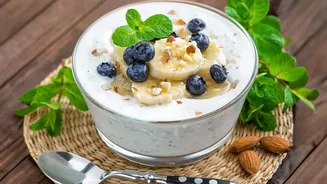
Paneer and Greek-style yogurt (or hung curd) are two of the strongest protein contenders in the vegetarian world. But again, quantity is crucial. While a few cubes of paneer in a dish are nice, you need a significant block to make a dent. A 100-gram serving of paneer contains roughly 18-21 grams of protein. That's a solid portion, about the size of a thick slice of bread. Similarly, while regular dahi has only 3-4 grams of protein per 100 grams, strained Greek yogurt or hung curd boasts a much higher 9-10 grams for the same amount. For a powerful breakfast, you'd need a large 200-gram bowl of Greek yogurt to get close to 20 grams of protein.
Plant-Based Champions: Tofu and Legumes
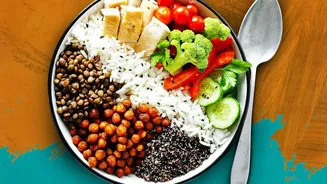
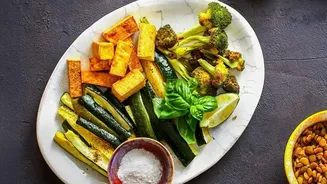
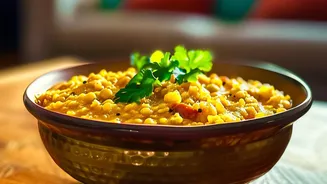
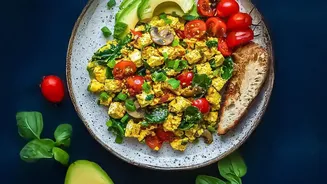
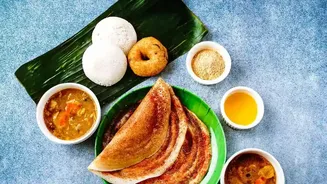
Tofu is a fantastic and versatile egg substitute. A tofu scramble is a classic for a reason, but the portion needs to be generous. A 100-gram serving of firm tofu has about 8 grams of protein, meaning you'd need a scramble made with at least 200-250 grams of tofu to hit the 16-20 gram protein mark. Many breakfast recipes call for half a block of tofu, which typically provides a solid 19-20 grams of protein. Lentils and chickpeas are also excellent. A popular Indian breakfast, moong dal chilla, is a great example. Two medium chillas made from about 50 grams of dry dal will give you around 11-13 grams of protein. To boost this, you could add a paneer filling or have a bowl of curd on the side.
The Boosters: Nuts, Seeds, and Powders
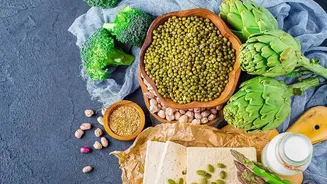
Nuts and seeds are often hailed as protein sources, but they are best seen as 'boosters' due to their calorie density and small serving sizes. A 'handful' of almonds (about 20-23 nuts or 30 grams) provides a respectable 6 grams of protein. Two tablespoons of chia seeds offer around 3.5-4.7 grams of protein, while the same amount of flaxseed has about 4-5 grams. While these are valuable additions to oatmeal, smoothies, or yogurt, it's clear they don't form a high-protein base on their own. They are meant to supplement the main protein source. For a more direct and potent boost, an unflavoured plant-based protein powder can easily add 20-25 grams of protein to your oatmeal, chilla batter, or smoothie without dramatically changing the flavour.
Putting It All Together
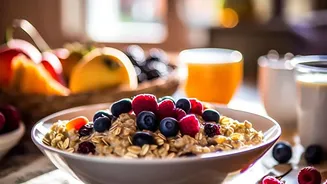
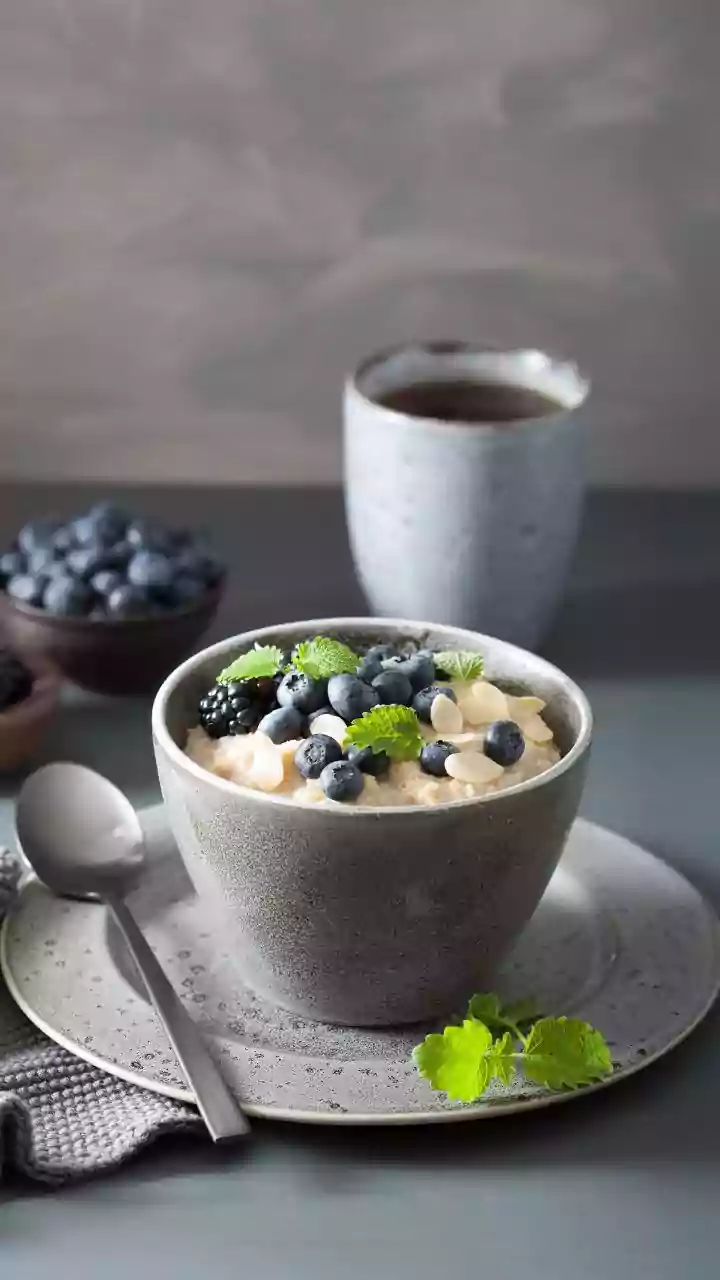
Building a truly high-protein egg-free breakfast is about combination and mindful portioning. It’s not about one 'superfood', but a team effort. For example, a large bowl of overnight oats made with soy milk, a scoop of protein powder, and topped with a tablespoon of hemp seeds can easily reach 30 grams of protein. Alternatively, two moong dal chillas stuffed with 100 grams of crumbled paneer will comfortably pass the 25-gram mark. Another simple option is a large bowl (200g) of Greek yogurt topped with a handful of almonds and berries. The key is to start with a substantial base—be it paneer, tofu, or a large serving of Greek yogurt—and then enhance it with boosters like nuts and seeds.