




The New Beauty Heartland
The traditional narrative of India's beauty market being concentrated in Mumbai, Delhi, and Bengaluru is officially outdated. Today, the most exciting growth is happening in what is often called 'Real India'. Data from e-commerce giants paints a clear
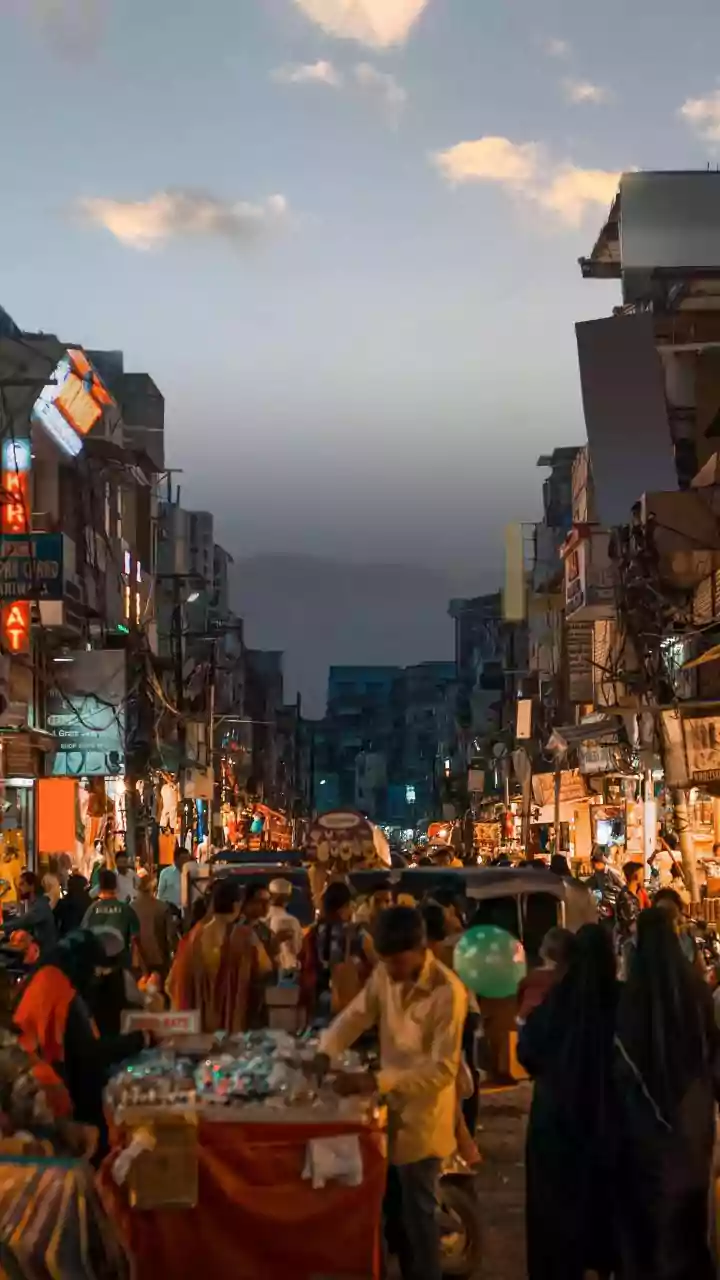
picture: two out of every three beauty-related searches now originate from non-metro markets. E-commerce platforms report that a majority of their sales, sometimes over 50% even for premium products, now come from Tier 2 and Tier 3 cities like Lucknow, Jaipur, Indore, Guwahati, and Surat. This is not just about mass-market products. Even luxury and premium brands are seeing a surge in demand from these regions, proving that aspirations and spending power are rising across the board. This shift signifies more than just a commercial trend; it marks a fundamental change in India’s consumption landscape.
Digital Access Changes Everything
The single biggest catalyst for this transformation is the digital revolution. Widespread smartphone ownership and affordable data plans have connected millions of new consumers to the world of e-commerce. Platforms like Amazon, Flipkart, and Nykaa have made products that were once exclusive to big-city malls accessible to anyone with an internet connection, covering virtually all of the country's pin codes. Social media has played an equally crucial role, acting as a powerful tool for product discovery and education. Consumers in smaller towns now follow the same influencers, watch the same tutorials, and learn about the same global trends as their metro counterparts, bridging the information gap that once separated them. They are no longer just passive consumers; they are informed, knowledgeable, and specific about their needs.
A New, Aspirational Consumer
Driving this demand is a new generation of shoppers, particularly Gen Z, who view personal care not as a luxury but as a form of daily self-expression and wellness. With rising disposable incomes, this demographic is increasingly willing to spend on grooming and skincare. They are also more discerning, actively searching for solutions to specific concerns like hair fall or pigmentation and seeking out products with specific ingredients like hyaluronic acid or niacinamide. This has led to a trend of “premiumization within a budget,” where shoppers upgrade to value-premium products with science-backed formulations and natural ingredients, without seeing affordability as the only factor. The demand is not limited by gender either, with men's grooming emerging as one of the fastest-growing categories.
How Brands Are Responding
Direct-to-Consumer (D2C) brands have been quickest to capitalize on this shift. By leveraging social media marketing and bypassing traditional distributors, they can directly reach and build relationships with these new consumers. Many have found success by focusing on ingredient transparency, clean formulations, and products tailored to Indian skin and hair needs. However, legacy players and large FMCG companies are not standing still. They are responding by expanding their own distribution networks into smaller towns, acquiring successful D2C brands, and launching new product lines to cater to this evolving market. The strategy is increasingly omnichannel, where a strong online presence is complemented by physical stores in high-potential Tier 2 and Tier 3 cities to build trust and allow for product trials.