


The Overloved Hill Station
Mention a monsoon road trip from Mumbai or Pune, and Lonavala is the first name that comes to mind. This hill station in the Western Ghats of Maharashtra was once a tranquil colonial-era escape. Its proximity to two major metropolises made it the perfect
weekend getaway, a place to eat hot corn on the cob while gazing at misty valleys. But its fame has become its undoing. On a monsoon weekend, the road to Lonavala is less a scenic drive and more a parking lot. The destination itself is a crush of tourists, selfie sticks, and vendors. The waterfalls are packed, the viewpoints are chaotic, and the quiet communion with nature the monsoon promises is drowned out by car horns and loud music. It’s the travel equivalent of going to a hyped restaurant only to find the food is mediocre and the line is two hours long. The magic has been diluted by its own popularity, turning a potential escape into just another crowded city experience, but with more rain.
Introducing the Wilder Alternative: Malshej Ghat
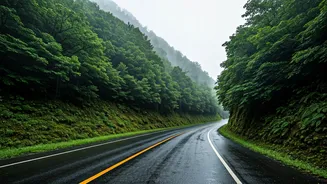
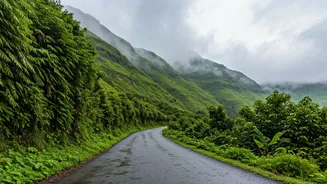
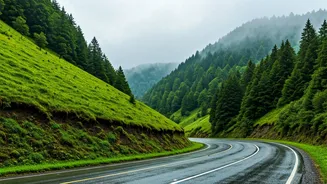
So, where do you go for the real monsoon experience? The answer lies just a few hours away, on a different stretch of the same majestic mountain range: Malshej Ghat. This isn't a town or a hill station in the traditional sense. It's a mountain pass, a winding road carved into the Sahyadri mountains that comes alive during the rainy season. Unlike Lonavala, which is a destination you arrive *at*, Malshej Ghat is an experience you drive *through*. It's less about tourist infrastructure and more about raw, untamed nature. It's a place for travelers, not tourists. The journey itself is the reward, offering a more profound and visceral connection to the season. It’s the choice for those who believe the best views are earned, not just paid for at a designated “photo point.”
A Symphony of Water and Mist
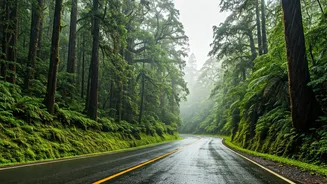
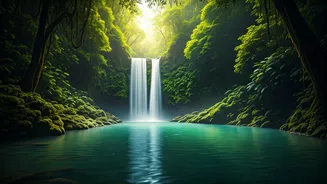
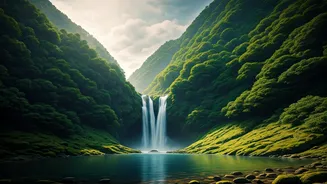
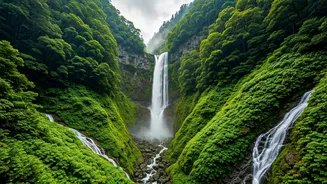
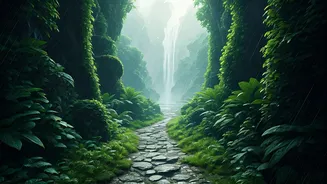
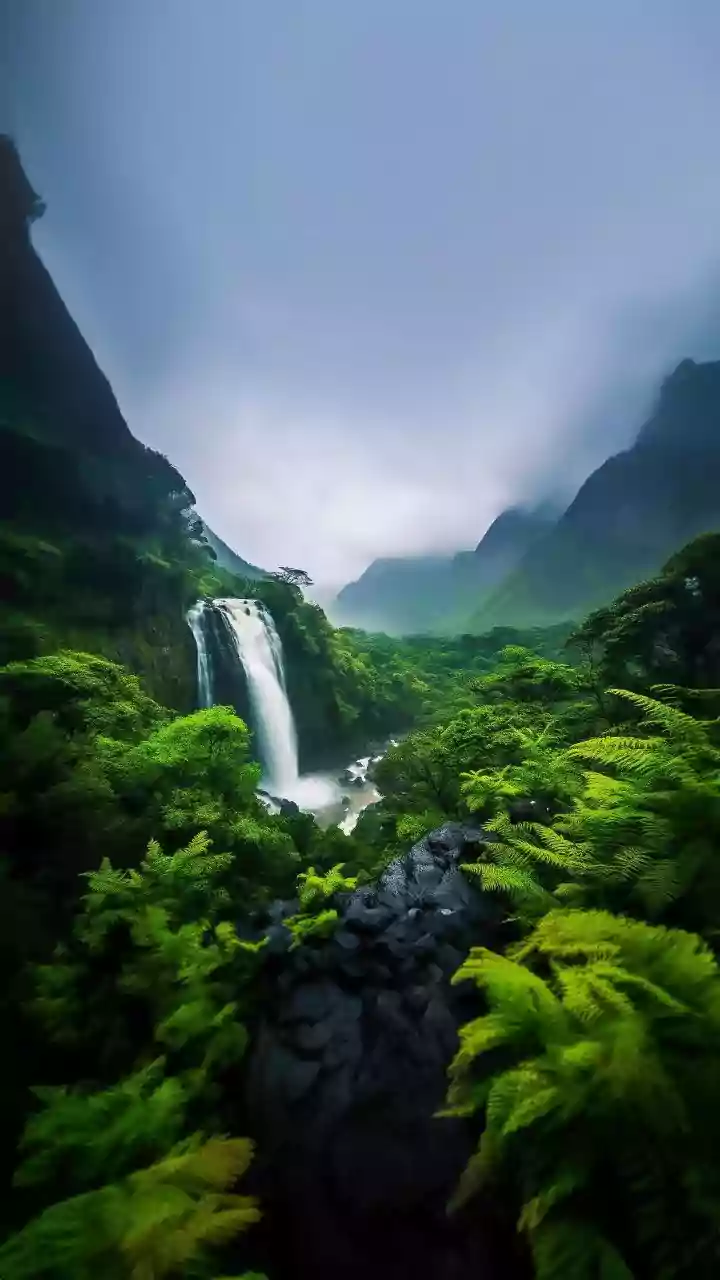
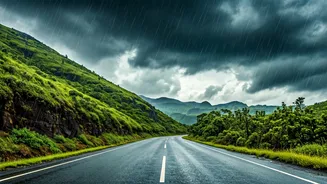
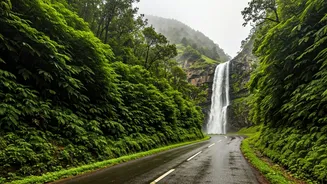
Driving through Malshej Ghat during peak monsoon is a sensory overload in the best possible way. The landscape transforms into something primeval. Hundreds of temporary waterfalls, some massive and roaring, others delicate silver threads, cascade down the dark, basalt cliffs. The road itself becomes a shallow stream in places, and as you ascend, you literally drive into the clouds. The visibility can drop to a few feet, creating an ethereal, almost mystical atmosphere. You roll down your window not to a bustling market but to the cool, fresh spray of a waterfall hitting the road right next to your car. The soundtrack isn't a cacophony of crowds but the roar of water and the hiss of rain on the asphalt. It's an active, immersive experience where you are a small part of a grand natural spectacle, not just a spectator watching from a crowded balcony.
Crowds vs. Clouds: The Final Verdict
The choice between Lonavala and Malshej Ghat is a choice between two different travel philosophies. Lonavala offers convenience and familiarity. It has resorts, restaurants, and designated attractions. It’s a curated, comfortable, and predictable experience. It’s nature served on a platter. Malshej Ghat offers adventure and awe. It’s unpredictable, wild, and demands your full attention. There are simple eateries (dhabas) serving hot tea and snacks, but the main attraction is the landscape itself, unburdened by commercialism. In Lonavala, you contend with crowds for a view. In Malshej Ghat, you contend with clouds. One is about being part of a human throng, the other is about feeling humbled by the power of the natural world. For a true monsoon escape, the latter is infinitely more rewarding.