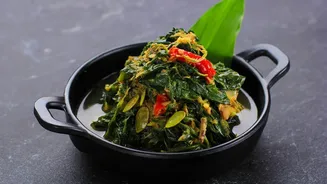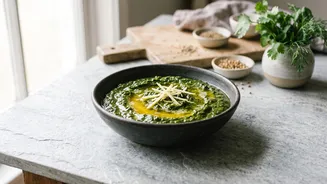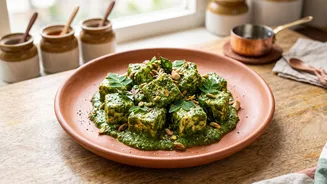







A warm bowl of saag paired with makki di roti is more than just comfort food; it's a nutritional powerhouse. This beloved dish, a staple in many Indian homes, is packed with leafy greens that offer a wealth of health benefits, especially fibre.
More Than Just One Green
When we
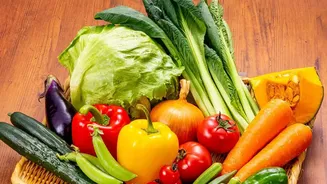
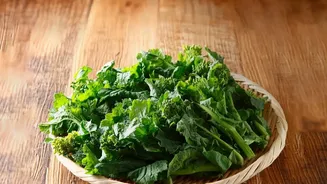
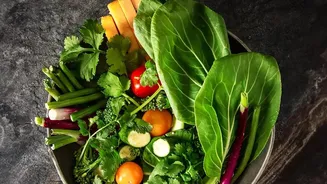
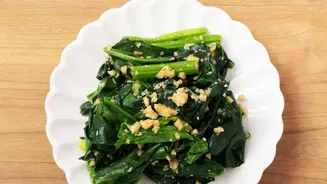
talk about saag, we're referring to a dish made from a blend of leafy greens, slow-cooked to perfection. The term 'saag' itself simply means greens. While spinach (palak) is often used, traditional and more flavourful versions combine several types. The most common star is mustard greens (sarson), which give the dish its characteristic pungent flavour. To balance this, other greens like spinach, fenugreek (methi), or bathua (chenopodium or lamb's quarters) are often added, each bringing its own unique texture and nutritional profile to the final dish. This combination is what makes saag a complex and deeply nutritious food.
The Fibre Powerhouse
The headlining benefit of saag is its impressive fibre content. Depending on the greens used, a 100-gram serving can provide between 3 to 5 grams of dietary fibre. Dietary fibre is crucial for maintaining a healthy digestive system. It adds bulk to stool, which helps prevent constipation and promotes regular bowel movements. There are two types of fibre, soluble and insoluble, and leafy greens contain both. Soluble fibre can help regulate blood sugar levels and lower 'bad' cholesterol, while insoluble fibre aids in moving food through your digestive tract. This high-fibre content also helps you feel full for longer, which can aid in weight management.
A Symphony of Vitamins
Saag is loaded with essential vitamins that are vital for overall health. It is an excellent source of Vitamin K, which is crucial for blood clotting and building strong bones. The greens are also packed with Vitamin A, important for good vision, immune function, and the health of your heart and kidneys. You'll also get a significant dose of Vitamin C, a powerful antioxidant that strengthens the immune system and helps your body fight off infections. In fact, some greens like mustard greens contain more Vitamin C than an orange. Dark leafy greens like spinach and bathua also provide a good amount of B-vitamins, including folate, which is especially important for cell growth and metabolism.
Essential Minerals Unlocked
Beyond vitamins, saag delivers a wealth of essential minerals. It's a fantastic plant-based source of iron, a mineral necessary for transporting oxygen in the blood and preventing anaemia, which causes fatigue. It's also rich in calcium, the building block of strong bones and teeth. While dairy is often highlighted for its calcium, leafy greens like bathua and spinach are excellent non-dairy sources. Furthermore, saag provides potassium, which helps regulate blood pressure, and magnesium, a mineral involved in hundreds of biochemical reactions in your body, from nerve function to muscle control.
Rich in Potent Antioxidants
Dark leafy greens are loaded with antioxidants, which are compounds that protect your body's cells from damage caused by harmful molecules called free radicals. This damage, known as oxidative stress, is linked to chronic diseases and ageing. Saag contains various antioxidants, including carotenoids like beta-carotene and lutein, as well as flavonoids. Red varieties of mustard greens even contain anthocyanins, the same powerful antioxidants found in berries. These compounds help reduce inflammation and lower the risk of developing chronic conditions like heart disease.
Getting the Most From Your Greens
How you prepare saag can influence its nutritional value. Some vitamins, like Vitamin C, are water-soluble and heat-sensitive, meaning they can be lost during prolonged boiling. However, cooking also has benefits. The process breaks down the tough cell walls of the greens, making some nutrients easier for your body to absorb. For instance, the availability of fatst soluble vitamins like A and K is enhanced when cooked with a little fat. This is why the traditional addition of ghee or oil to saag is not just for flavour; it actually helps your body unlock and absorb these essential nutrients. Steaming or pressure cooking are methods that tend to preserve more nutrients than boiling.