
The Goldilocks Climate Arrives
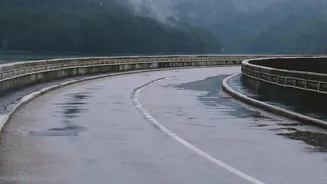
The monsoon season, from June to September, drenches the Western Ghats, creating dramatic, lush landscapes but often making travel difficult. Roads can be slippery, visibility poor, and the risk of landslides is a real concern. But as the heavy rains
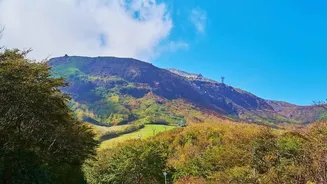
recede, a glorious transformation takes place. From October to March, the climate enters what many travellers consider a 'Goldilocks' phase. The torrential downpours are replaced by clear blue skies and pleasant sunshine. Temperatures become comfortable, dropping to cool levels in the evenings, especially in high-altitude hill stations like Munnar, which can dip below 10°C in December. This period avoids the intense heat of the summer months and the challenges of the heavy monsoon, providing the perfect comfortable weather for long drives and outdoor exploration.
A World Washed Anew
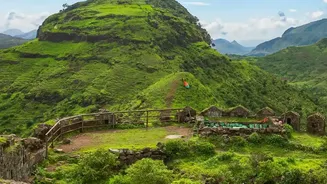
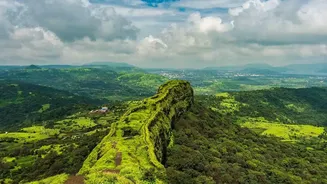
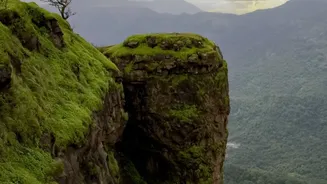
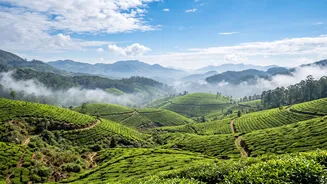
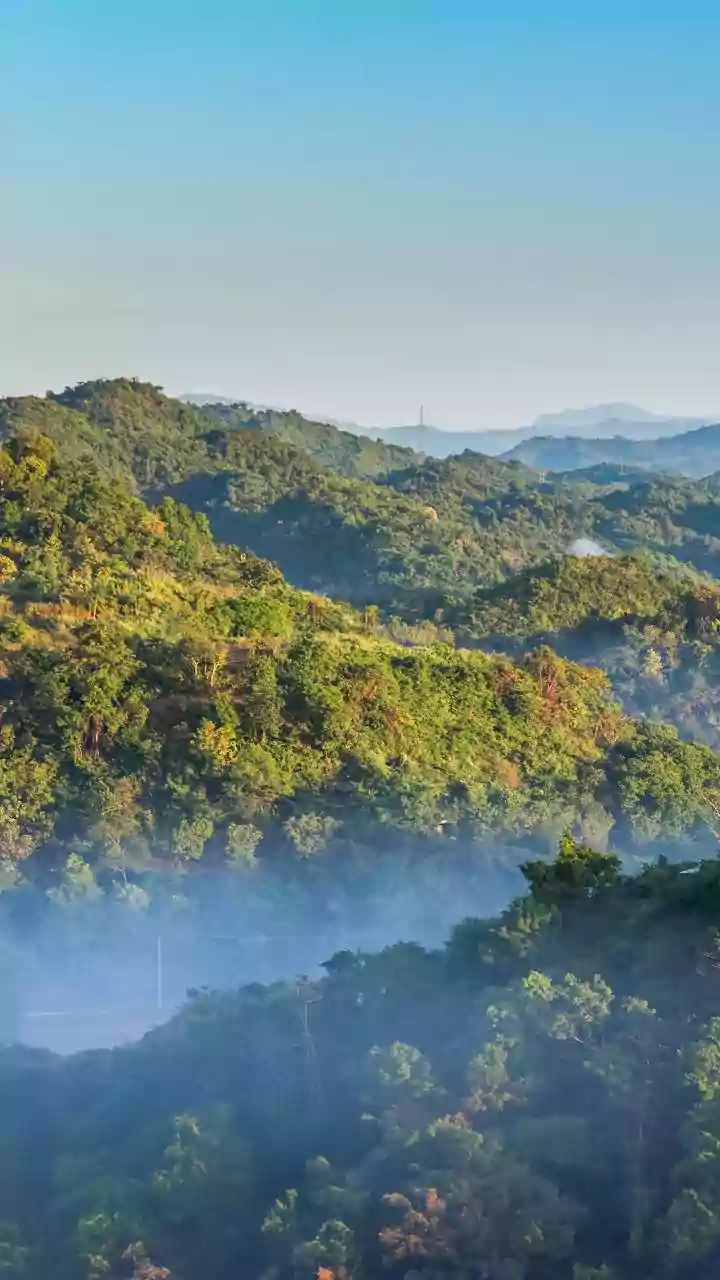
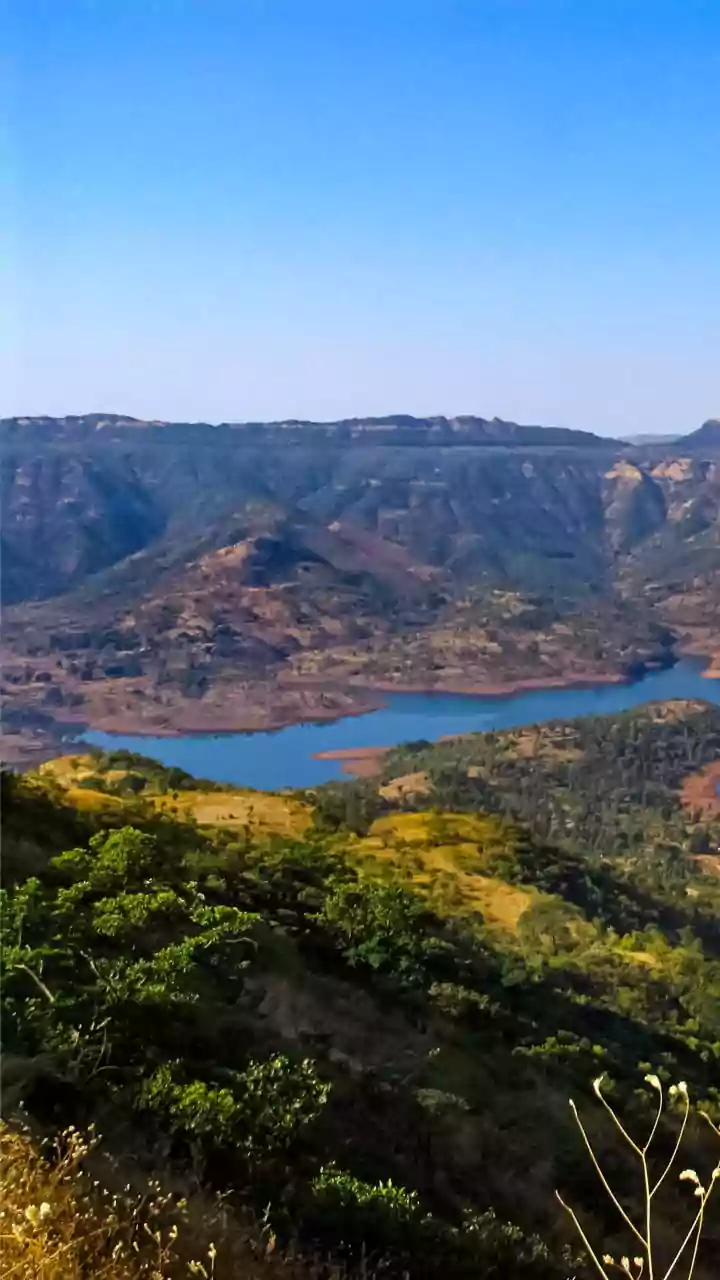
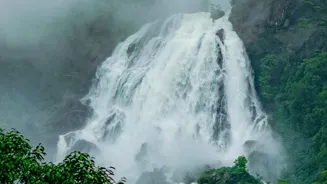
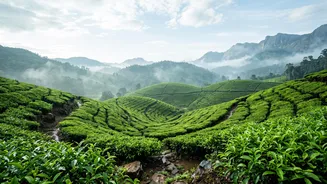
The greatest reward for post-monsoon travellers is the breathtaking scenery. The entire 1,600-kilometre stretch of the Ghats, a UNESCO World Heritage Site, is left impossibly vibrant and green. The forests, having absorbed months of rain, appear electric green, and the air is crisp and free of summer haze. Waterfalls, which roar with life during the monsoon, are still flowing impressively but are more accessible and safer to visit. This visual feast of emerald tea plantations, dense forests, and full rivers makes every twist and turn of the road a photo opportunity. The landscape is at its most photogenic, with exceptional light and clear views that stretch for miles from viewpoints.
Safer Roads and Clearer Views
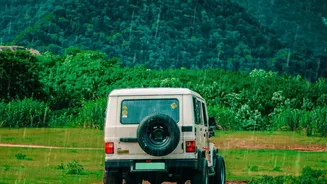
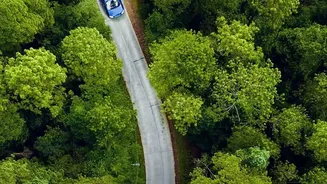
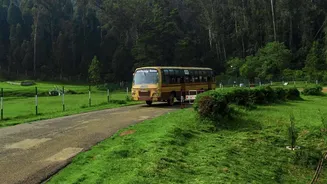
While driving in the Ghats during monsoon can be treacherous, the post-monsoon period offers much safer and more reliable road conditions. With the cessation of heavy rain, the risk of landslides decreases significantly, and roads that might have been closed for safety are reopened. This is crucial for any road trip, allowing for a more relaxed and predictable journey. You can navigate the famous hairpin bends of routes like Pollachi to Valparai or the forest drives through Chorla Ghat with greater confidence. Clearer skies also mean better visibility, ensuring you don't miss the spectacular vistas the Ghats are famous for. This makes it an ideal time for families and those who are more cautious about driving in challenging conditions.
Wildlife and Flora in Abundance
The post-monsoon months are also a fantastic time for wildlife enthusiasts and nature lovers. The lush vegetation supports a thriving ecosystem, and many animals are active during this period. National parks like Periyar and Mudumalai are fully accessible, offering excellent chances to spot elephants, gaurs, and maybe even a Nilgiri tahr on the high grasslands near Munnar. It's also a prime time for birdwatching, as many of the nearly 510 species recorded in the Ghats are active. The landscape is often dotted with blooming wildflowers that emerge after the rains, adding another layer of colour to the already stunning green canvas.
Planning Your Ideal Route
The beauty of the Western Ghats is its sheer diversity, stretching across Maharashtra, Goa, Karnataka, Kerala, and Tamil Nadu. Post-monsoon, all routes are open for exploration. Consider a drive through Coorg in Karnataka, known as India's coffee highlands, where misty peaks meet fragrant plantations. In Kerala, the route from Munnar through the tea estates and down towards the backwaters is iconic. For those starting from Maharashtra, a drive down the Konkan coast, dipping into the ghats at various points, offers a mix of mountain and coastal scenery. Whether you're interested in the historic forts of Maharashtra, the rainforests of Wayanad, or the coffee estates of Chikmagalur, this season provides the ultimate conditions to experience them all.