


The Science Behind the Glow
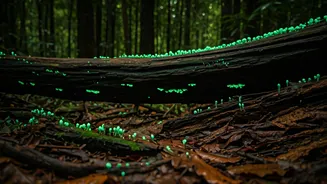
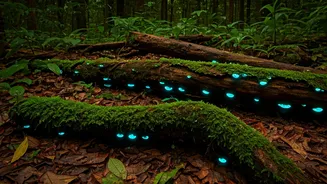
This enchanting phenomenon is called bioluminescence, the same process that makes fireflies and some deep-sea creatures light up. In fungi, it’s a chemical reaction involving a compound called luciferin and an enzyme, luciferase. When these two interact
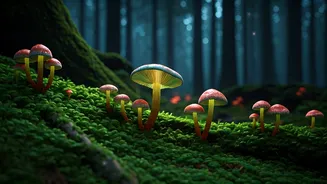
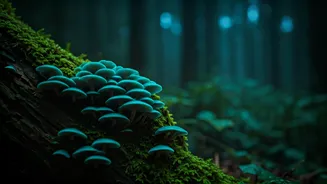
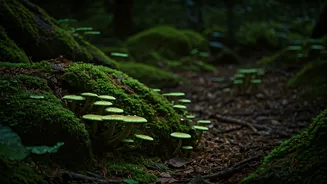
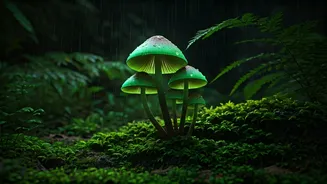
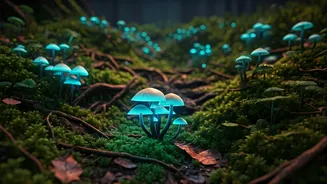
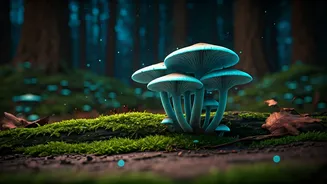
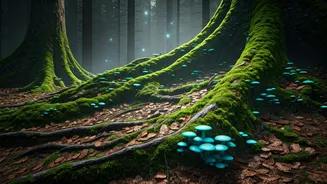
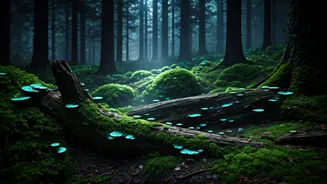
with oxygen, they produce a stable, continuous green light. Unlike the flashing of a firefly, this fungal glow is constant, casting a steady, otherworldly luminescence on decaying leaves, twigs, and tree bark where the mushrooms grow. These 'foxfire' or 'ghost mushroom' species, primarily from the genus *Mycena*, are responsible for most of the glowing trails seen in India.
Why Do They Glow?
Scientists are still exploring the exact evolutionary reasons for this 'cold light'. One leading theory is that the glow attracts nocturnal insects. As these curious bugs crawl over the mushrooms, they pick up fungal spores and carry them to new locations, helping the fungus reproduce and spread throughout the forest. Another hypothesis suggests the light might serve as a warning, deterring animals from eating the fungi, some of which can be toxic. It’s a fascinating example of nature’s ingenuity, using light for survival in the dark, dense undergrowth of the forest.
Where to Find These Glowing Trails
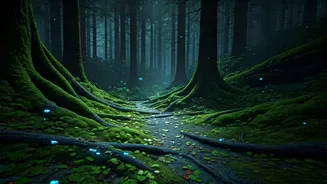
This magical spectacle isn't found just anywhere. It’s specific to regions with the right combination of humidity, decaying wood, and specific fungal species. In India, the prime locations are concentrated in two main areas: **The Western Ghats:** During the monsoon, the forests of Goa, Maharashtra, and Karnataka become hotspots. The Mhadei Wildlife Sanctuary in Goa is particularly famous for its glowing trails. Treks organised here lead visitors through forests where the ground and tree stumps are dotted with tiny, glowing *Mycena* species. **Meghalaya:** The 'Abode of Clouds' offers another prime location. The forests in the West Jaintia Hills and East Khasi Hills districts are home to several bioluminescent species. Local communities have known about this phenomenon for generations, using the glowing bamboo sticks as natural torches.
The Best Time for a Magical Experience
Timing is everything. The bioluminescent fungi make their appearance during the peak monsoon months, typically from June to early October. The high humidity and constant moisture during this period create the perfect conditions for the fungi to fruit and glow. For the best viewing experience, plan your trek on a dark, moonless night. The less ambient light there is, the more brilliant the fungal glow will appear. The ideal time to venture out is usually after 10 PM, once the forest is completely dark and your eyes have had time to adjust.
Tips for Your Night-Time Trek
Venturing into a forest at night requires preparation. To make the most of this unique experience safely and responsibly, keep these tips in mind: * **Go with a Guide:** Never wander into an unfamiliar forest alone at night. Always book a trek with a local guide or a reputable tour operator who knows the safe trails and the best spots. * **Use a Red Light Torch:** Bright white light will ruin your night vision and overpower the subtle fungal glow. A torch with a red light setting is ideal, as it allows you to see the path without diminishing the magic. * **Dress Appropriately:** Wear sturdy, waterproof shoes with good grip. Long pants and full-sleeved shirts will protect you from scratches and insect bites. A light raincoat is a must during the monsoon. * **Be Patient and Respectful:** Give your eyes at least 15-20 minutes to adjust to the darkness. Stay on the designated trails, don't touch or pluck the fungi, and avoid using flash photography. This is a delicate ecosystem; observe it without disturbing it.