




A World Washed Anew
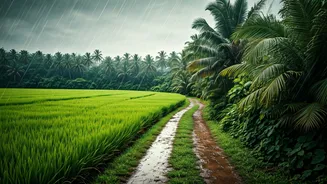
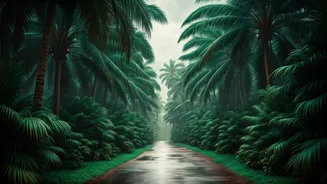
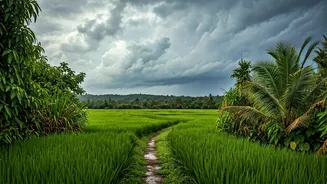
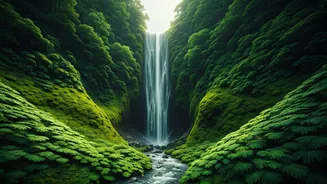
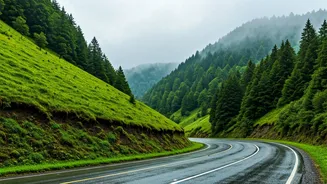
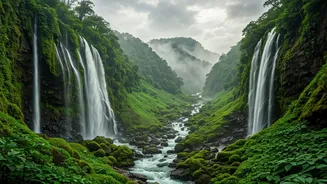
From June to September, the monsoon reclaims Goa, trading the sun-bleached palette of peak season for a vibrant explosion of green. [6, 15] The countryside, from the winding roads of the Chorla Ghat to the sleepy villages, becomes a canvas of emerald
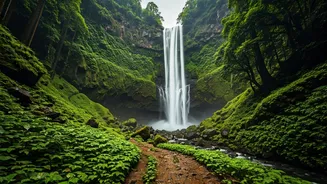
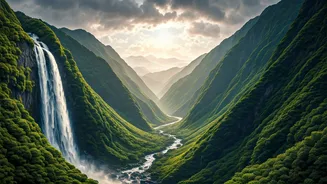
paddy fields and mist-covered hills. [4, 11] This is a time when waterfalls, dormant for months, roar back to life. The mighty Dudhsagar Falls, whose name translates to "Sea of Milk," becomes a breathtaking spectacle, cascading dramatically through the Bhagwan Mahavir Wildlife Sanctuary. [3, 17] Similarly, smaller falls like those at Tambdi Surla and Harvalem offer mesmerising sights, best reached by scenic treks through the newly lush forests. [3, 11] The entire landscape feels refreshed, breathing a sigh of relief under the cool, steady rhythm of the rain.
The Luxury of Solitude
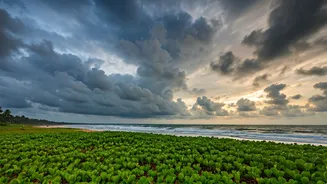
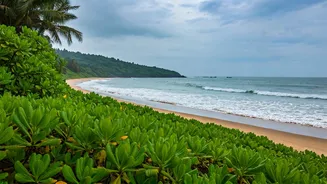
The biggest luxury of off-season Goa is, perhaps, the quiet. Beaches that are usually packed with sunbathers and vendors become serene, near-empty stretches of sand perfect for long, contemplative walks. [2, 5] While swimming in the rough seas is generally not advised, the experience of having a beach like Morjim or Palolem almost to yourself is unparalleled. [4, 7] This peace extends beyond the coast. You can explore the charming Latin Quarter of Fontainhas in Panaji without the usual throng of tourists or ride a scooter through empty, rain-washed lanes, discovering hidden corners of the state at your own pace. [2, 4] The usual rush evaporates, replaced by a slower, more intimate connection with the surroundings. [5]
Monsoon-Specific Indulgences
The rainy season unlocks a different set of experiences. It's the perfect time to visit a spice plantation, where the air is heavy with the fragrance of cardamom, vanilla, and pepper, all thriving in the wet weather. [3, 17] Many plantations offer guided tours followed by a traditional Goan meal, a perfect cosy activity for a rainy afternoon. [11] The state’s wildlife sanctuaries, like Mhadei and Cotigao, also come alive, with the damp earth and flourishing flora making it a prime time for birdwatching and discovering local fauna. [3, 10] For the more adventurous, white-water rafting on the Mhadei River offers a thrilling experience unique to the monsoon months when the river is at its most powerful. [3, 8]
Cultural Immersion and Cosy Comforts
With fewer tourists, the off-season provides a chance to experience local life more authentically. [5, 6] It’s a period marked by unique cultural festivals like Sao Joao in late June, where locals celebrate by jumping into wells and streams. [6, 20] The culinary scene also shifts. While many beach shacks close, charming cafes and local eateries offer warm, comforting Goan food that tastes even better with the sound of rain outside. [2] It’s also a budget-friendly time to travel, with significant discounts on flights and luxury accommodations, making a tranquil and indulgent escape more accessible. [9, 13]
A Practical Guide to a Rainy Retreat
Travelling to Goa during the monsoon requires some practical planning. Pack quick-dry clothing, waterproof footwear, and a reliable rain jacket or umbrella. [7, 18] While North Goa tends to remain more active with more restaurants and services open, South Goa offers a quieter, more isolated retreat. [20] Renting a car or using taxi services is often safer than riding a scooter on potentially slippery roads. [7, 18] It’s also wise to check that roads to attractions like waterfalls are accessible before you set out. [4] Embrace the slower pace; plan for indoor activities during heavy downpours and be prepared for plans to change with the weather. The monsoon is about surrender, not strict schedules.