






The One Number for All Emergencies
The most important number to save is 112. The Government of India has established this as the single pan-India number for the Emergency Response Support System (ERSS). It is designed to be a one-stop point of contact for citizens in distress, connecting
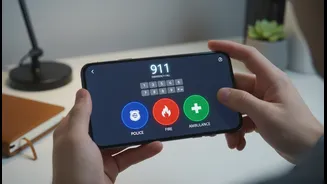
you to police, fire, and ambulance services, much like '911' in the United States. This integrated system is active across most states and Union Territories. When you dial 112, your call is routed to a central response centre, which then dispatches the relevant emergency service to your location. Many smartphones also have a feature where pressing the power button multiple times or holding down '5' or '9' can automatically trigger a panic call to 112.
The Classic Trio: Police, Fire, and Ambulance
While 112 is the future, the legacy numbers are still widely recognised and functional. It is wise to have these saved as well. For police assistance, dial 100. This connects you to the local police control room for situations involving crime, theft, or personal safety threats. For fire-related emergencies, including building fires or gas leaks, the number is 101. For medical emergencies, there are two common numbers. 102 is typically used for basic ambulance services, such as transporting a patient to a hospital. For more critical situations like accidents, trauma, or life-threatening medical events, 108 is the designated number in many states. Knowing both can help you get the right level of medical response.
Specialised Helplines for Specific Crises
Beyond the main emergency services, several national helplines cater to specific vulnerable groups and situations. For women in distress, facing harassment or domestic violence, the Women's Helpline is 181 (or 1091 in some areas). This service provides 24/7 support, counselling, and referral to authorities. For children in need of care and protection, CHILDLINE 1098 is the dedicated, toll-free number. Any concerned adult or child can call this number to report child labour, abuse, or any situation where a child is in danger. During natural calamities like floods or earthquakes, the Disaster Management helpline can be reached at 1078 (national) or 1077 (state/district level). For reporting cybercrime and online financial fraud, the number to call is 1930.
Go Local for Better Preparedness
While national numbers are crucial, local contacts are just as important. Take the time to find and save the direct number for your nearest police station. In case of civic issues that could become emergencies, such as severe waterlogging or a fallen tree blocking a road, the number for your local municipal corporation is vital. It is also a good idea to have the emergency numbers for your electricity and gas providers saved. These local numbers can sometimes provide a more immediate response for specific, non-life-threatening issues. A quick search online for "[Your City] municipal corporation helpline" or checking your utility bills will provide these contacts. Store them in your phone with clear labels.
Organise Your Contacts for Quick Access
Simply having the numbers is not enough; they must be instantly accessible. Save all emergency contacts with a clear prefix like "ICE" (In Case of Emergency), such as "ICE - Police" or "ICE - Ambulance." This makes them easy to find when you're panicking. Utilise the emergency contact feature on your smartphone's lock screen. This allows first responders to access key contacts and medical information without needing to unlock your phone. Finally, create a physical list of these numbers and keep it in a visible place at home, like on the refrigerator. Share this list with all family members, including children and elderly relatives. A few minutes of organisation today can save precious, life-altering seconds tomorrow.