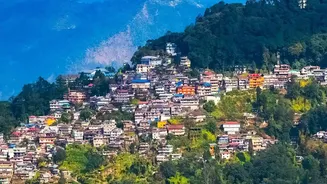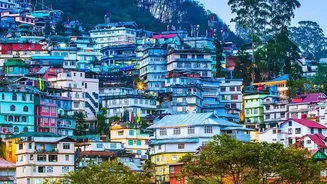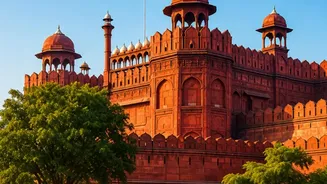



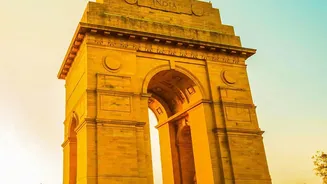
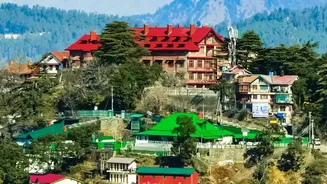
Dehradun is the beloved, bustling heart of Garhwal, a gateway to the mountains for millions. But its very popularity has led to crowded streets and a commercial rush, leaving many travellers longing for the peace the hills once promised.
Introducing Chakrata, The Quiet Cantonment
Enter Chakrata,
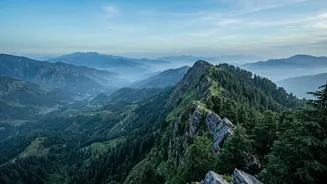
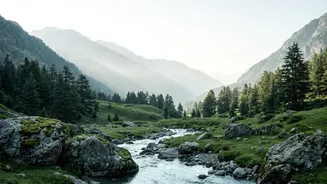
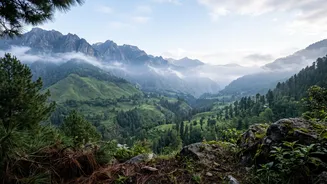
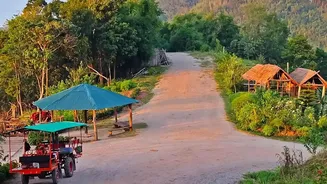
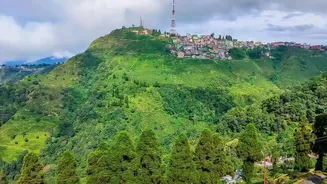
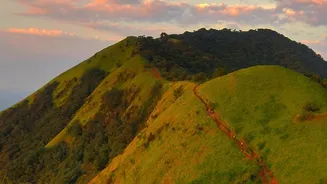
a sleepy cantonment town nestled in the Himalayan foothills about 90 kilometres from Dehradun. Perched at an altitude of around 7,000 feet, it was established by the British Indian Army in the 1860s. This military heritage has inadvertently preserved its character; with development restricted, Chakrata remains largely untouched by the commercial wave that has swept through other hill stations. It offers a glimpse into a quieter, slower way of life, surrounded by virgin forests of pine, rhododendron, and deodar. It is a destination for those who seek silence and solitude over bustling markets.
The Vibe: Unplugged vs. Urban
The primary difference between Dehradun and Chakrata lies in their atmosphere. Dehradun, as a state capital, is a dynamic urban centre. It has malls, a wide array of cafes, and a constant hum of activity. It’s convenient, well-connected, and offers all the amenities of a city. Chakrata, on the other hand, is defined by its tranquility. There's no mall road, and the nightlife consists of starry skies and the sounds of the forest. Life here moves at a gentler pace. It's a place for long walks, reading a book with a mountain view, and disconnecting from the digital world, especially since mobile connectivity can be patchy, with BSNL often being the most reliable network.
Attractions: Natural Wonders Over Urban Sights
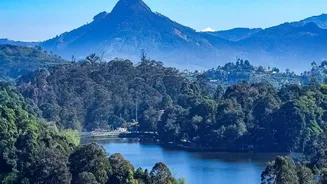
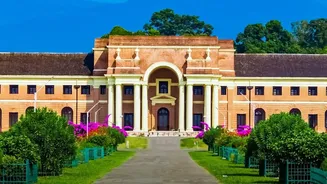
While Dehradun offers attractions like the Forest Research Institute and Robber's Cave, Chakrata’s appeal lies entirely in its natural, unspoiled beauty. The star attraction is Tiger Falls, one of the highest direct waterfalls in India, cascading from a height of over 300 feet. Reaching it involves a short trek, making the experience more rewarding. Another highlight is Deoban, a dense forest area at a higher altitude that offers breathtaking panoramic views of the Himalayan peaks, including Nanda Devi and Swargarohini. For adventure seekers, the ancient Budher Caves provide a thrilling caving experience. These sites are refreshingly undeveloped, attracting nature lovers rather than commercial tourists.
Accessibility and Practicalities
Dehradun is easily accessible by air, rail, and road, serving as a major transportation hub. Getting to Chakrata requires an additional step: a 3–4 hour drive from Dehradun, which is the nearest major railway station and airport (Jolly Grant Airport). The winding mountain roads are scenic but require careful driving, especially during monsoons. Another crucial point for travellers is that Chakrata is a cantonment town with restrictions on the entry of foreign nationals. Essential services are also limited; there are few ATMs and no fuel stations in the town itself, so it’s wise to carry enough cash and fill up your tank in Vikasnagar or Dehradun before heading up.
Who is Chakrata For?
Dehradun remains an excellent choice for those who want a mix of city comforts and easy access to nearby tourist spots like Mussoorie. It’s ideal for families and travellers who appreciate having plenty of options for food, shopping, and entertainment. Chakrata, however, is for a different kind of traveller. It's for the nature lover, the trekker, the birdwatcher, and the soul–searcher. It is for those who find joy in the rustle of leaves and the sight of a clear, star–filled sky. It’s not a destination for someone seeking a vibrant market or a plethora of restaurants. Instead, it offers a deep connection with nature and a chance to experience the Himalayas in their pristine, uncrowded glory.