
The Science of a Satisfying Snap
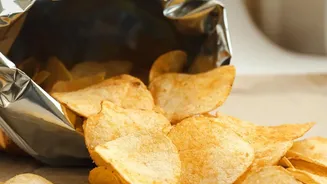
The delightful crunch of a potato chip or the crispiness of fried chicken is a multisensory experience. The sound itself is a signal of freshness to our brains. This texture comes from a dry, rigid structure, often created by driving out water during
cooking, which forms tiny air pockets. When you bite down, this brittle structure fractures quickly, creating the sound and sensation we love. The primary enemy of this texture is moisture. When a crunchy food is exposed to humidity, water molecules from the air work their way into its surface, causing the rigid structure to soften and lose its integrity, turning a once-crisp snack disappointingly soggy.
Mastering the Moisture Problem
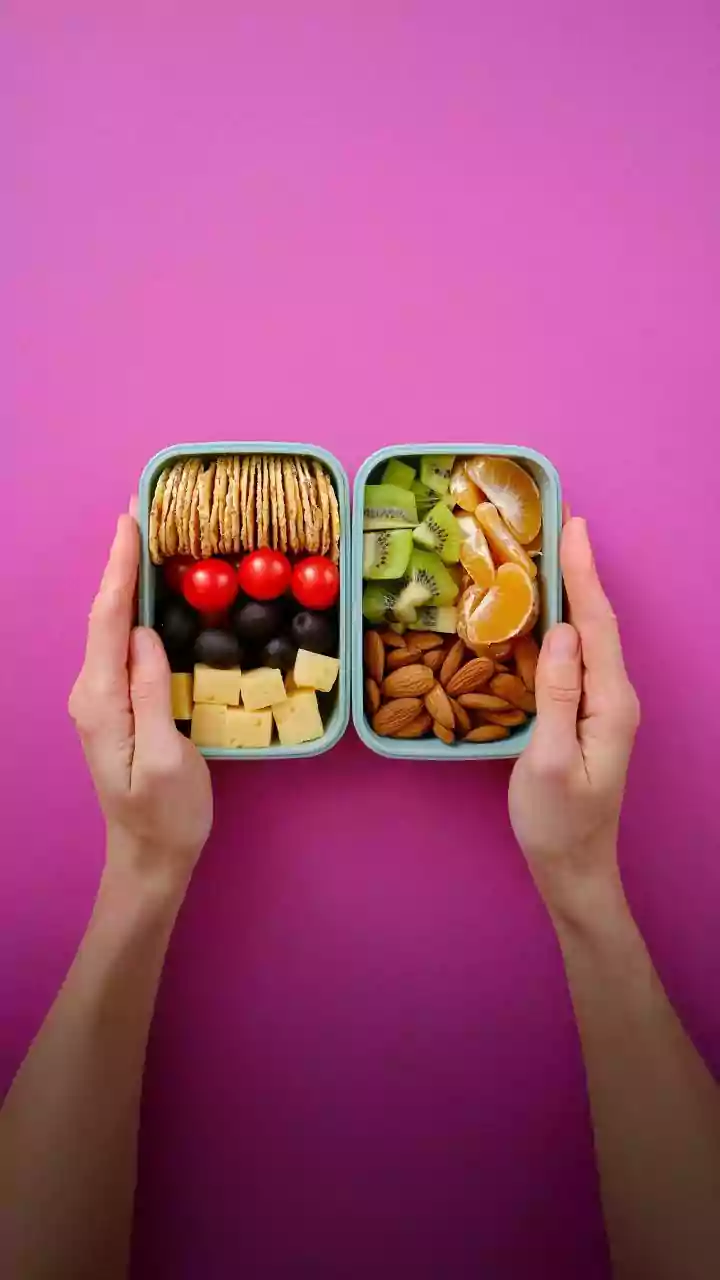
Humidity is the arch-nemesis of crunch. Even in a seemingly sealed container, moisture can find its way in. It can be trapped in the air when you close the lid, or it can migrate from the food itself. This is why a cracker left on the counter on a humid day quickly goes soft. The key is to create a barrier. Store dry, crunchy snacks like chips, crackers, and cereals in truly airtight containers. Avoid mixing different types of snacks in the same container, as the moisture from one can affect the other. For best results, keep these containers in a cool, dry place, as temperature fluctuations can cause condensation inside. In industrial settings, snack producers maintain relative humidity levels between 35-45% to preserve texture.
The Critical Cooling-Down Period
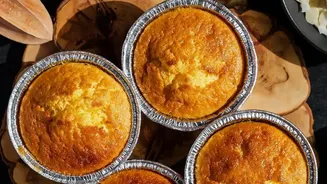
For freshly cooked fried or baked foods, the moments after they leave the heat are crucial. A common mistake is to place them directly onto a solid plate or into a sealed container while still hot. Hot food releases steam, which is essentially water vapour. If this steam is trapped, it will condense back into water droplets on the surface of the food, immediately undoing the crispiness you worked to create. The solution is airflow. Always place freshly fried or baked items on a wire cooling rack. This allows air to circulate 360 degrees around the food, whisking away steam and allowing the crust to set properly and stay crisp. Stacking hot items or lining a container with paper towels can help absorb some moisture, but a wire rack is the most effective tool.
Smart Strategies for Leftovers
Saving leftover fried chicken or French fries requires a different approach than storing dry snacks. Once the food has cooled completely on a wire rack, you can store it in a container. However, never seal it tightly while it's still warm, as this guarantees a soggy outcome. When it comes to reheating, step away from the microwave. A microwave works by vibrating water particles, which creates steam and makes the food soft. To bring back the crunch, use a conventional oven or an air fryer. A short blast of high, dry heat for ten to fifteen minutes will help drive out any moisture that has accumulated, reviving the crispy texture.
Sauce on the Side
One of the quickest ways to ruin a perfect crunch is by applying a wet sauce too early. Moisture from sauces, dressings, and dips will begin to soften a crisp coating almost immediately. Whenever possible, serve sauces on the side for dipping. If you must apply a sauce, do it at the very last second before serving. This gives the diner the intended experience of a crunchy exterior and flavourful sauce without one compromising the other. This separation is a key strategy in preserving texture, whether in a home kitchen or for food delivery.