
The World's Highest Art Gallery
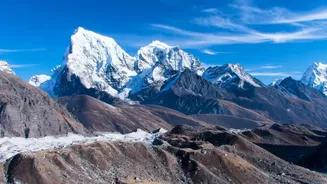
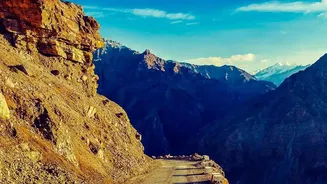
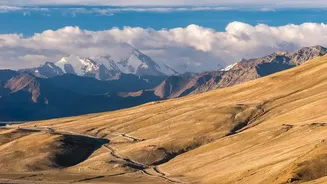
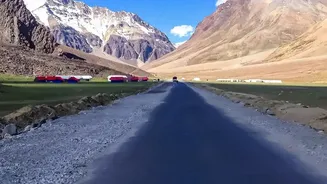
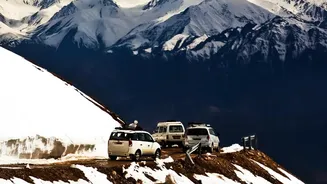
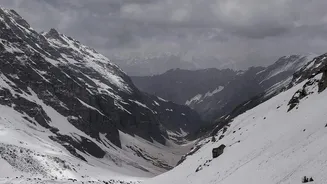
Imagine a museum where the galleries are mountain passes and the corridors are winding Himalayan roads. This is the reality of the inaugural Sā Ladakh Biennale, an art experience stretching over 200 kilometres along the Leh to Kargil route. Billed as the world's
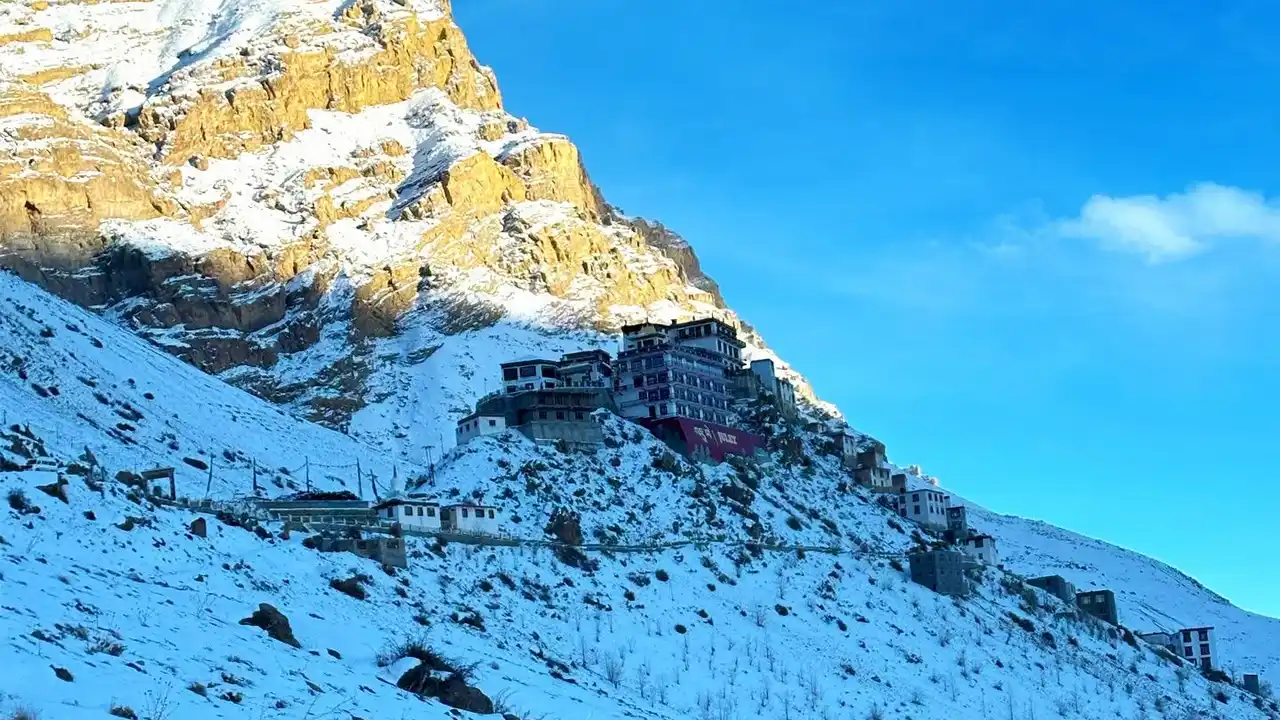
highest regenerative art biennale, it takes art out of the conventional white-walled galleries and places it directly into the breathtaking, high-altitude environment, at elevations above 3,000 metres. The name itself, 'Sā', is the Ladakhi word for soil, signalling the project's deep connection to the land. Instead of a single venue, the biennale unfolds across eight distinct locations, including Leh, Basgo, Likir, Nurla, Lamayuru, and Kargil, turning the entire journey into an immersive cultural pilgrimage.
A Journey of Art and Landscape
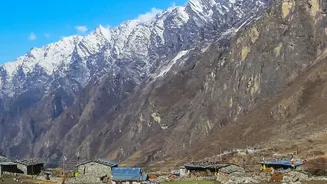
This isn't an exhibition you can rush through. The very nature of the Sā Ladakh Biennale encourages a slower, more deliberate form of travel. The journey itself is part of the experience, with each of the eight sites hosting unique installations that can only be reached on foot. The high altitude naturally changes your pace and awareness, forcing you to connect more deeply with your surroundings. The route invites travellers to explore not just the art but also the villages, ancient monasteries, and local communities that define the region. This format transforms a trip to Ladakh from a sightseeing tour into a meaningful engagement with the region's culture, people, and the pressing environmental questions of our time.
Art with a Deeper Meaning
The theme for the inaugural biennale is 'Signals from Another Star', and it brings together international and Ladakhi artists to explore critical issues. The artworks are a response to the land, climate change, local identity, and indigenous knowledge. A key principle of the event is regeneration. The installations are created using locally sourced, biodegradable, and recycled materials, ensuring they interact with the landscape rather than imposing on it. This approach of 'regenerative art' means the biennale is not just about appreciating art, but also about sparking a dialogue on sustainability and ecology within one of the world's most fragile and beautiful ecosystems. The entire event is non-commercial, with no tickets or formal opening ceremonies, emphasizing a focus on genuine engagement over spectacle.
The Visionaries Behind the Project
The Sā Ladakh initiative grew from a collaboration between co-founders Raki Nikahetiya, an artist; Tenzin Jamyang, a mountaineer; and Sagardeep Singh, a designer. Their shared connection to the region inspired them to create a platform that merges art with ecological consciousness. The idea began with restoring a community space and evolved into a land art program in 2023, which has now become this full-fledged biennale. By bringing together 26 artists from Ladakh and around the world, they have fostered a unique cultural exchange. The goal isn't measured in visitor numbers, but in the quality of the connection visitors make with the art, the landscape, and the ideas being explored. The founders hope that the experience encourages a deeper sense of curiosity and responsibility long after visitors have left.
How to Experience This Art Trail
The inaugural biennale is scheduled from August 1 to August 10, 2026. Travellers can journey along the Leh-Kargil road, stopping at the eight designated locations to explore the artworks. Since there is no ticketing, access to all sites is free. The experience is designed for independent exploration, allowing you to move at your own pace. The key is to acclimatise to the high altitude and allow plenty of time to travel between sites and explore the installations on foot. This unique event offers a completely new way to experience the wonders of Ladakh, blending adventure with profound artistic and environmental insights. It’s an opportunity to see the region not just as a beautiful destination, but as a living, breathing canvas for contemporary art.