
Venus at Its Brightest: Mid-September
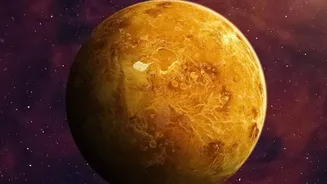
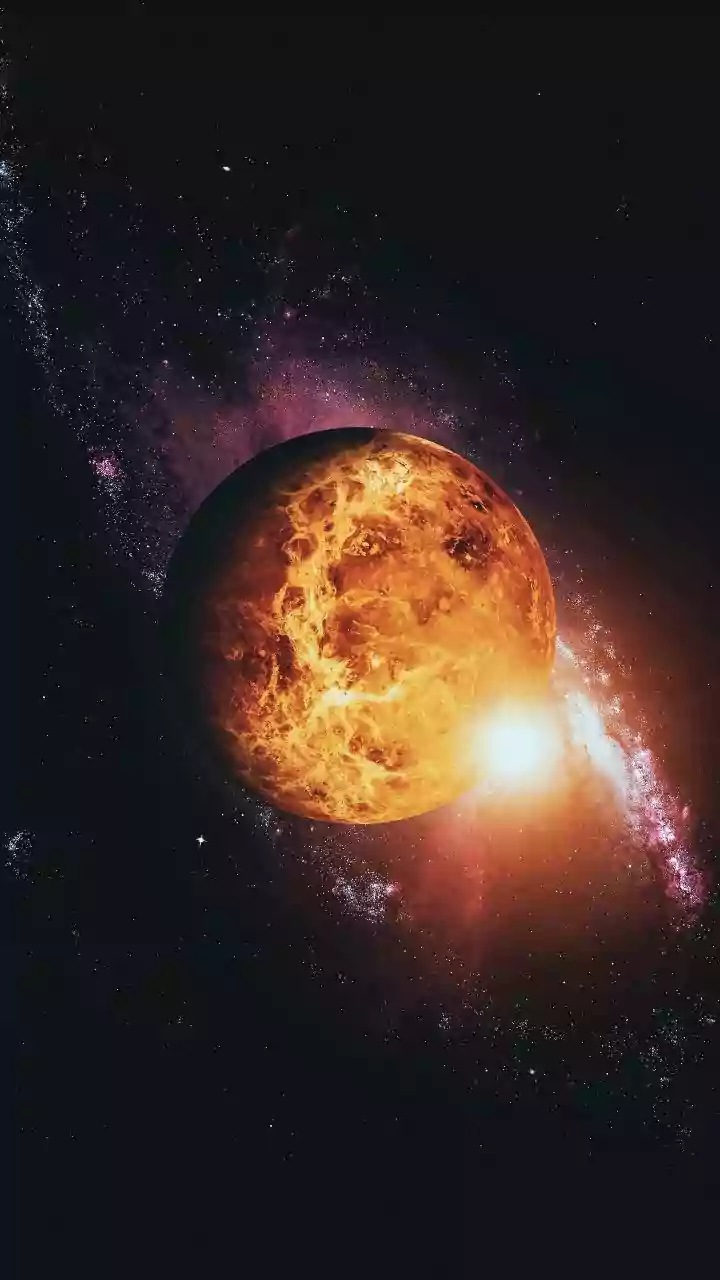
Throughout September, the planet Venus will be a dominant and dazzling feature in the evening sky. It reaches its peak brilliance for the year around September 18-22, shining at an extraordinary magnitude of -4.8. This is so bright that it will be easily
visible to the naked eye, even from light-polluted cities, appearing as a spectacular point of light in the west just after sunset. For those in areas with very dark skies, its light may even be intense enough to cast faint shadows. On the evening of September 14, look for a beautiful pairing as a slender crescent Moon appears close to Venus, creating a picturesque scene for about an hour after the sun goes down. This peak brightness happens when Venus is in a crescent phase, but its relative closeness to Earth makes it appear larger and more brilliant in our sky.
The Autumnal Equinox: September 22-23
The official start of the autumn season in the Northern Hemisphere arrives with the autumnal equinox. In India, this celestial event occurs in the early morning of September 23, 2026. An equinox is a moment in time when the Sun crosses the celestial equator, an imaginary line in the sky above Earth’s equator. On this day, the Earth's axis is tilted neither toward nor away from the Sun, resulting in nearly equal hours of daylight and darkness across the globe. While it marks a precise astronomical moment, it also signals a seasonal shift. After the autumnal equinox, the nights will continue to grow longer than the days in the Northern Hemisphere, leading us toward winter and opening up more hours for stargazing.
Neptune at Opposition: September 25-26
For those with a telescope, late September offers the best chance all year to spot the solar system's most distant planet. Neptune reaches opposition on September 26, meaning Earth will be positioned directly between the gas giant and the Sun. At this time, Neptune is at its closest and brightest for the year. However, due to its immense distance, it will not be visible to the naked eye. You will need at least a good pair of binoculars, or preferably a small telescope, to spot it as a small, faint, star-like point of light in the constellation Pisces. The planet will be visible for most of the night, rising in the east around sunset and reaching its highest point in the sky around midnight.
The Full Harvest Moon: September 26
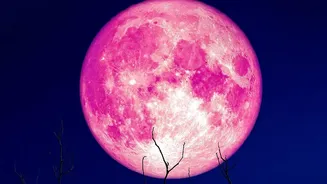
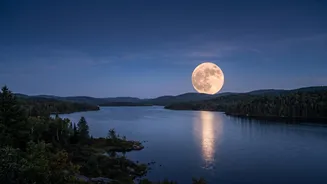
September’s full moon is the famous Harvest Moon, which will reach its peak illumination over India at 10:19 PM IST on September 26. The name is given to the full moon that occurs closest to the autumnal equinox. Historically, the bright light from this full moon, rising near sunset for several consecutive evenings, gave farmers extra time to harvest their crops before the winter frosts. Look for the moon to appear particularly large and golden-hued as it rises in the east on the nights of September 26 and 27. This month, the Harvest Moon will also be joined by a bright companion in the sky. Shortly after moonrise, the planet Saturn will be visible near the Moon in the constellation Pisces, a sight you can enjoy without any special equipment.