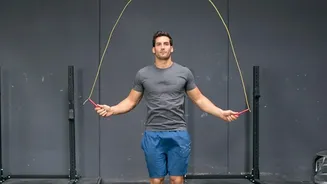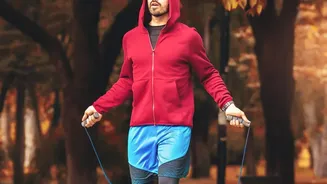




Jumping rope is a powerhouse workout, burning calories and boosting heart health. To get the most out of every session and avoid injury, two simple factors are key: the space you jump in and the shoes on your feet.
Why Space and Shoes Matter
Getting started with jump rope is easy,
but doing it safely requires a little planning. The repetitive impact of jumping means that the wrong surface or unsupportive footwear can lead to issues like shin splints, plantar fasciitis, or other joint problems. A hard surface like concrete provides no shock absorption, sending that impact straight back up your legs. Similarly, shoes that lack proper cushioning or support can leave your feet and ankles vulnerable. By taking a moment to assess your environment and gear, you set yourself up for a sustainable and effective fitness routine. It turns a simple activity into a smart workout, protecting your body while you build strength and endurance.
Finding Your Ideal Jump Zone
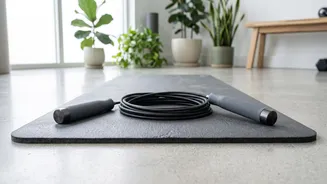
You don’t need a professional gym, but you do need a clear, flat area. As a rule of thumb, you need enough space to swing the rope without hitting anything. A good minimum is an area of about 10 feet long by 5 feet wide, with a ceiling that is at least a few feet taller than you. Before you start, do a slow turn with the rope to check for clearance, ensuring you won't hit furniture, light fixtures, or anything else. The surface you jump on is just as important. Hardwood floors, especially sprung ones found in gyms or dance studios, are ideal because they have a bit of give. If you don't have access to one, a quality jump rope mat or even a thin rubber mat placed on a hard surface is a great alternative. These mats absorb impact, protect your joints, and can also reduce wear and tear on your rope. Avoid jumping directly on concrete or tile, as these surfaces are too hard and can lead to injury. Deep carpet should also be avoided, as it can snag the rope and throw off your rhythm.
The Sole of the Matter: Choosing Footwear
The right shoes for jumping rope provide a balance of cushioning, support, and a stable base. Unlike running shoes, which often have a thick, elevated heel designed for a heel-to-toe stride, jumping rope involves staying on the balls of your feet. Therefore, a shoe with excessive heel cushioning can be unstable. Look for cross-trainers or basketball shoes that offer good forefoot cushioning to absorb impact. These shoes also tend to have a flatter, more stable sole that provides a solid connection to the ground. Key features to look for include a lightweight design, good ankle support, and some flexibility in the forefoot to allow for natural movement. Avoid shoes that are too heavy, clunky, or have very thin soles with no cushioning, like some minimalist or fashion sneakers, unless you have gradually conditioned your feet for it. The goal is to find a shoe that feels light but protective, allowing you to jump comfortably and safely.
Beyond the Basics: Rope Length
While space and footwear are foundational, the final piece of the puzzle is the rope itself. An incorrectly sized rope can ruin your form and lead to frustration. To find the right length, step on the middle of the rope with one foot. The handles should reach your armpits or shoulders. Most ropes are adjustable, allowing you to fine-tune the length as your skill improves. As beginners become more efficient, they often need a shorter rope because their jumps become smaller and more controlled. Starting with a properly sized rope ensures your posture remains upright and your arm movements are efficient, making the entire workout smoother and more effective.