





The Big Mix-Up: ETA vs. eVisa
First, let's clear up the biggest point of confusion. The UK has rolled out two different digital systems, and it's vital to know which one applies to you. The Electronic Travel Authorisation (ETA) is a new requirement for nationals from countries who
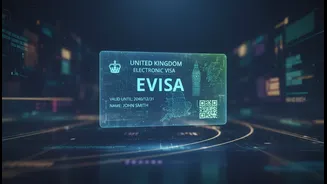
do not need a visa for short stays, such as the USA, Canada, and European Union countries. Indian passport holders are not eligible for the ETA scheme. For decades, India has been on the UK's 'visa national' list, meaning its citizens require a visa to enter the country, and the ETA does not change this. The change that does affect Indian travellers is the move to the 'eVisa'. Think of this not as a new type of travel permit, but as a digital version of the traditional visa you would have applied for anyway.
What the New eVisa Means for You
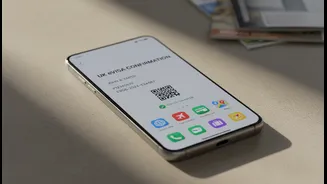
Starting in 2026, the UK government phased out the practice of placing physical visa stickers, or 'vignettes', in passports for most applicants, including those from India. Now, when your UK visa is approved, you receive a digital confirmation linked to your passport. This eVisa is held in a secure online UK Visas and Immigration (UKVI) account. The core application process remains the same: you still need to fill out the detailed visa application form, provide supporting documents like financial statements, and attend a biometric appointment at a visa application centre. The key difference is the outcome. Instead of a sticker, you get a digital record. One practical benefit is that you may no longer need to leave your passport with the application centre for an extended period for the sticker to be added.
Why Digital Demands Greater Diligence
While the eVisa system aims to streamline processes, it makes personal diligence and preparation even more important. Your permission to travel is now entirely digital, and any mismatch between your eVisa record and your passport can lead to serious issues, including being denied boarding by your airline. Airlines are now required to verify your permission to travel digitally before you fly. If the name, passport number, or date of birth in your UKVI account is even slightly different from your passport, the system may not validate your status, and you could be prevented from travelling. The margin for error has effectively shrunk. The convenience of a digital system is balanced by a strict need for accuracy.
Your New Pre-Travel Checklist
Navigating the new digital process requires a few new habits. First, when your visa is granted, you must create a UKVI account to access your eVisa. It is essential that you do this and confirm that all details are correct. Second, always travel with the passport that is linked to your eVisa. If you renew your passport, you must update your details in your UKVI account before your next trip to the UK. Failure to do so will likely result in travel disruption. Before heading to the airport, it is wise to log in to your account and double-check your eVisa status. This simple check can save you from significant stress and potential financial loss. Finally, remember that the underlying requirements for a UK visa have not changed. You must still convince the immigration officer that you are a genuine visitor who will comply with the terms of your visa.