


The Simple Shadow Test
You don't need a fancy light meter to assess your space. The easiest way is the 'shadow test'. Around noon, when the sun is at its highest, hold your hand about a foot above where you want to place your plant. Look at the shadow it casts on a plain surface.
A crisp, clearly defined shadow means you have bright light. A softer, slightly blurry shadow indicates medium light. If the shadow is very faint or barely there, you're looking at a low-light situation. This simple check gives you a surprisingly accurate map of your home's light conditions.
Decoding Bright Light
Bright light doesn't always mean harsh, direct sun. For most houseplants, the goal is 'bright, indirect light'. This is the kind of light found right next to a south or west-facing window, but perhaps filtered by a sheer curtain or positioned just outside the direct sunbeams. Unobstructed sun for several hours can scorch the leaves of many popular tropical plants. Think of it as the brightest spot in a room where the sun's rays don't sit directly on the leaves for more than an hour or two.
Plants That Love Bright Light
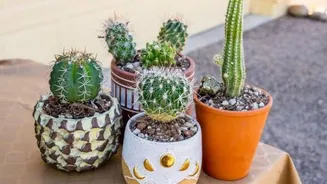
Some plants are true sun-worshippers and will reward you for giving them a prime, bright spot. Succulents, like Echeverias and Aloe Vera, are classic examples. The popular Fiddle Leaf Fig thrives in consistent, bright, indirect light, as do colourful Crotons and many citrus plants. Without enough light, these plants can become weak, lose their vibrant colours, and fail to grow robustly. They are perfect candidates for those sun-drenched spots near your brightest windows.
The Versatility of Medium Light
Medium light is the most common condition inside our homes and, thankfully, suits a huge variety of plants. This is the light you'll find a few feet back from a bright window, or near an east-facing window that gets softer morning sun. It’s a well-lit area where your hand casts a soft shadow. This zone offers enough energy for healthy growth without the risk of sunburn. It's the ideal middle-ground for many leafy, tropical plants that grow under forest canopies in their natural habitat.
Thriving in Medium Light
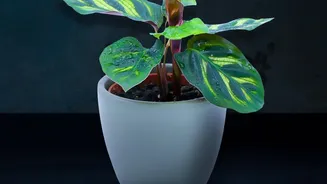
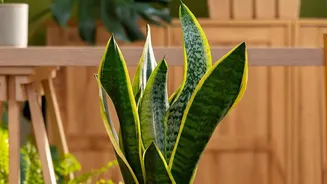
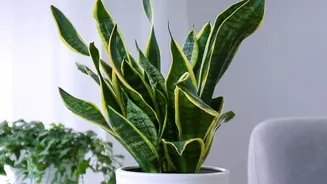
This is where many of the most popular and forgiving houseplants feel at home. The iconic Monstera Deliciosa, with its split leaves, does exceptionally well here. Most Philodendrons, Pothos (or Devil's Ivy), and Prayer Plants (Calathea) also flourish in medium light. The ever-resilient Snake Plant (Sansevieria) can tolerate low light but truly thrives and grows faster in a medium-light setting, showcasing its versatility.
Understanding Low Light
First, let's be clear: low light is not 'no light'. All plants need some light for photosynthesis to survive. Low-light areas are typically in the corners of a room, in a hallway with no windows, or near a north-facing window which receives the least intense sun. Many plants can 'tolerated' these conditions, meaning they will survive, but they may not actively grow or thrive. The growth will be slow, and you'll need to be extra careful not to overwater, as the plant uses less water in lower light.
Hardy Low-Light Survivors
If you have a darker corner you're determined to green up, some plants are up for the challenge. The ZZ Plant (Zamioculcas zamiifolia) is famous for its tolerance of low light and neglect. The Cast Iron Plant lives up to its name, surviving in conditions where others would fail. Many varieties of Snake Plant and Pothos will also manage, though their growth will be much slower and variegation might fade. These are your go-to options for adding life to the shadier spots in your home.
Reading Your Plant's Signals
Your plants will tell you if the light is wrong. If a plant is getting too little light, it may become 'leggy', with long, sparse stems as it stretches toward a window. New leaves may be smaller or paler than older ones, and colourful plants can revert to plain green. Too much direct light often results in scorched, brown, or crispy spots on the leaves, or a bleached, washed-out appearance. Paying attention to these clues is the best way to know if you need to make a move.