


More Than Just a Green Drink
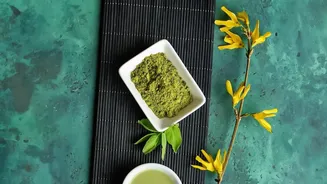
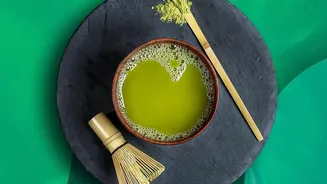
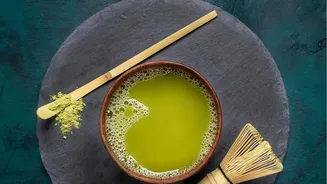
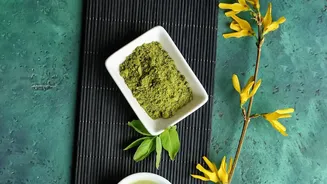
So, what exactly is this green powder that’s taking over? Matcha is a finely ground powder made from specially grown and processed green tea leaves. Unlike traditional green tea, where you steep the leaves and discard them, with matcha, you're consuming
the entire leaf. This means you get a more potent concentration of its nutrients, flavour, and caffeine. Traditionally part of Japanese tea ceremonies for centuries, its journey to Bengaluru’s café tables is a story of modern tastes, wellness culture, and global trends finding a local home.
The 'Clean Energy' Health Halo
One of the biggest drivers of matcha's popularity is its reputation as a healthier alternative to coffee. While it does contain caffeine, it also has a unique amino acid called L-theanine. This combination is known to provide a state of 'calm alertness,' a sustained energy boost without the jitteriness or sudden crash that some people experience with coffee. For Bengaluru’s wellness-conscious crowd, many of whom work in the demanding tech and startup sectors, this promise of 'clean energy' is incredibly appealing. Cafés are responding to this shift in preference toward functional, clean drinks. Plus, matcha is packed with antioxidants, which are linked to various health benefits.
An Instagram-Ready Aesthetic
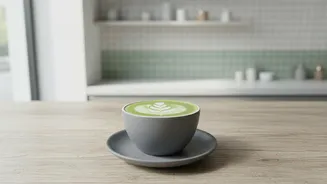
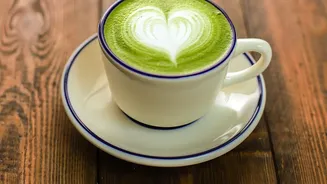
In a city where café culture is a huge part of the social fabric, aesthetics matter. It would be impossible to talk about matcha's rise without mentioning its striking visual appeal. That vibrant green hue is incredibly photogenic, making it a star on social media feeds. Café owners acknowledge that a beautiful matcha latte can do more for attracting customers than a paragraph of tasting notes. This 'Instagrammable' quality has turned the drink into a lifestyle marker, shorthand for a certain kind of modern, aesthetic-driven wellness culture that resonates deeply with Gen Z and millennial consumers.
A Global Palate in a Tech Hub
Bengaluru has long been a melting pot of cultures, with a population that is well-travelled and exposed to global trends. The city’s food scene reflects this, with a constant influx of new concepts, from Korean cafes to artisanal bakeries. Matcha fits perfectly into this landscape. It doesn't aim to replace the beloved filter coffee or masala chai; instead, it offers an alternative for a consumer base that is curious and eager to experiment. The rise of specialty coffee shops, which focus on craft beverages, paved the way for matcha to be introduced as another artisanal option.
Creative, Versatile, and Here to Stay
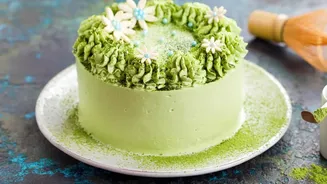
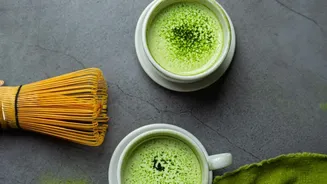
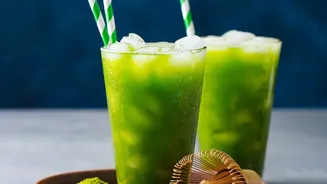
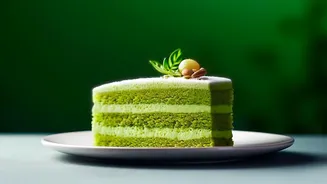
The innovation around matcha is another key to its success. Cafés aren't just serving plain matcha lattes; they're creating menus that showcase its versatility. You can find everything from strawberry or lavender matcha lattes to mango matcha coolers and matcha-infused desserts like cakes and cheesecakes. Some cafes are even creating fusion drinks like an Aam Panna Matcha, blending the Japanese tea with a classic Indian summer cooler. This creativity keeps the trend fresh and encourages even the skeptical to give it a try. Dedicated matcha bars are even opening up, signaling that this is more than just a fleeting fad.