

The End of ‘Tick-Box Tourism’
For decades, the mark of a successful vacation was how many cities you could cover in a week. This approach, often called 'tick-box tourism', involved packed schedules, endless travel between locations, and a feeling of exhaustion upon return. However,
the post-pandemic traveller is more deliberate. Data from travel platforms shows a clear decline in multi-city tours involving numerous stops, while single-base itineraries with relaxed day excursions are on the rise. Travellers are realising that true value isn't found in covering the most ground, but in genuinely connecting with one place. This maturing mindset prioritises rest, cultural immersion, and creating memories over simply collecting photos at crowded hotspots.
Slower Paces and Longer Stays
A key part of this new travel philosophy is the move towards 'slow travel'. This doesn't mean doing less; it means experiencing more fully by staying longer. Travel companies report a significant increase in trips lasting 10 to 14 days, as opposed to quick weekend getaways. This trend is fuelled by several factors. The rise of remote and hybrid work has made the 'workation' mainstream, allowing professionals to trade city burnout for extended stays in scenic locations with good Wi-Fi. These longer, more flexible stays allow travellers to settle into a local rhythm, explore beyond the main sights, and support local economies more directly. Vacation rentals and homestays are also becoming more popular, as they offer a more authentic and often better-value alternative to traditional hotels for extended visits.
The Search for India's Hidden Gems
As the appetite for crowded destinations wanes, a powerful trend of 'inward wanderlust' is taking hold, with a strong preference for discovering India's lesser-known locales. Reports indicate a vast majority of travellers now prefer less crowded destinations. They are seeking unique cultural experiences, nature, and tranquillity. This has put a spotlight on offbeat destinations that were previously overlooked. Instead of the usual suspects, travellers are now exploring places that offer peace and an authentic slice of regional life. This shift is reshaping the tourist map of India, bringing attention to places rich in heritage and natural beauty but free from the hustle.
Coastal Calm Beyond the Crowds
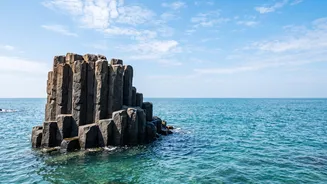
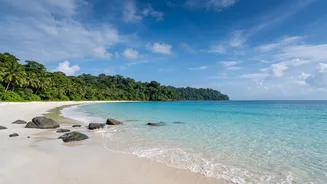
While Goa remains popular, many are now seeking its quieter side or exploring other coastal treasures. The Malabar Coast in North Kerala, encompassing areas like Kannur and Wayanad, is gaining traction for its rich culture and unspoiled natural beauty. Similarly, Gokarna in Karnataka offers a more laid-back beach experience compared to its more commercialised counterparts. For those willing to venture further, the coastline of Odisha presents places like Koraput, which combines beaches with tribal heritage and coffee plantations, offering a unique blend of nature and culture far from the tourist trail.
Mountain Escapes Reimagined
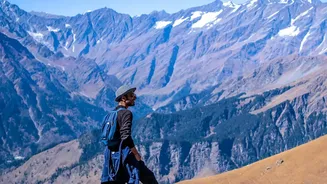
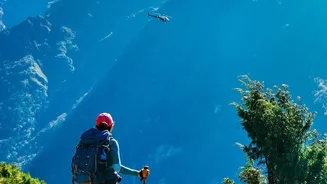
The lure of the mountains is stronger than ever, but travellers are looking beyond Shimla and Manali. Quieter destinations in Himachal Pradesh, such as Jibhi and Tirthan Valley, are becoming popular for long-stay workations due to their serene environment and lower costs. In Uttarakhand, lesser-known towns like Munsiyari and Binsar offer stunning Himalayan views without the crowds. Even Arunachal Pradesh is drawing attention, with places like Ziro Valley and the Dibang Valley circuit appealing to those seeking truly remote and immersive high-altitude experiences.