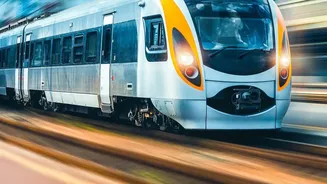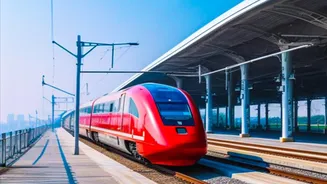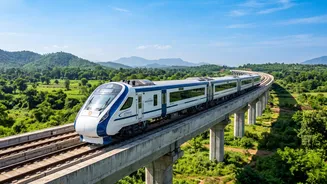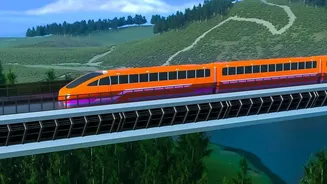





India’s bullet train dream is rapidly becoming a reality. The government has confirmed that the first stretch of the Mumbai-Ahmedabad High-Speed Rail corridor to open will be the section connecting Surat and Vapi, with services slated to begin.
The First Run: Surat to Vapi by Late 2027
The first
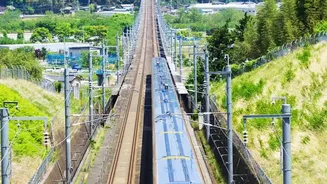
high-speed rail service in the country is expected to commence in the final quarter of 2027 on the approximately 100-kilometre stretch between Surat and Vapi in Gujarat. This phased approach means the Railways will not wait for the entire 508-km Mumbai-Ahmedabad corridor to be complete before launching services. Recent progress has been swift, with a key 50-km segment between Surat and Bilimora seeing its overhead electrical systems energised in November 2026, a critical step towards technical testing. According to Railway Minister Ashwini Vaishnaw, trial runs are expected to begin around May 2027, paving the way for a commercial launch later in the year.
Why This Gujarat Section Is First
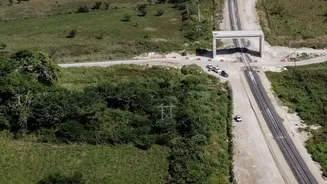
The decision to prioritise the Surat-Vapi section is strategic. Construction progress in Gujarat has been significantly faster compared to Maharashtra, where land acquisition and other permissions caused initial delays. By focusing on a ready segment, the project can demonstrate its capabilities and build public momentum. This section connects two major industrial and commercial hubs in Gujarat, making it an ideal choice for a debut run. The advanced stage of construction, including the completion of viaducts and station civil works in Gujarat, makes this a logical starting point for operationalising India's high-speed rail ambitions.
A Glimpse of Future Travel
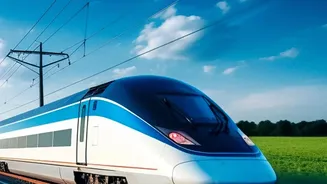
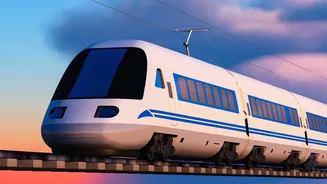
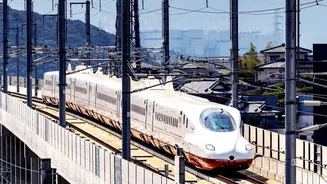
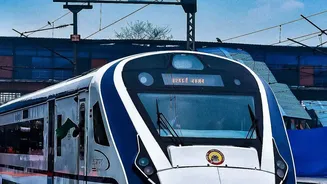
The service will operate on a line designed for speeds up to 350 kmph, with trains running at 320 kmph. This will be a transformative experience for Indian passengers, introducing technology based on Japan's famed Shinkansen system. The project is also a boost for domestic manufacturing. An indigenous trainset, designated B28, is being developed by BEML and Integral Coach Factory (ICF) to run at speeds of 280 kmph. The first frame of this 'Made in India' train is already complete and undergoing structural tests, with track trials anticipated by mid-2027. When the full corridor is operational, the journey time between Mumbai and Ahmedabad is expected to plummet to just under two hours from the current eight or nine by road.
The Bigger Picture: Status of the Full Corridor
While the Surat-Vapi launch is a celebrated milestone, the entire 508-km Mumbai-Ahmedabad corridor remains a monumental undertaking. Significant progress has been made, with hundreds of kilometres of piers and viaducts constructed. The project includes remarkable engineering feats, such as India's first undersea rail tunnel beneath Thane Creek. Construction on this 21-km tunnel section in Maharashtra is underway. The phased rollout will see more sections opening gradually after the initial 2027 launch, eventually creating a unified economic zone connecting key cities like Mumbai, Thane, Vapi, Surat, Vadodara, and Ahmedabad.
Economic and Regional Impact
The high-speed rail is more than just a transportation project; it's an economic catalyst. By drastically reducing travel time, it's expected to make day trips for business more viable and create a mega-economic region. This enhanced connectivity is projected to stimulate the construction, engineering, and manufacturing sectors. It will also likely boost real estate and attract private investment in commercial and residential properties around the new stations. With the creation of an estimated 1 to 2 lakh jobs during the construction phase alone, the corridor is set to generate significant employment and drive regional development across both Gujarat and Maharashtra.