




Why Water Is the Real Issue
A pretty entryway quickly loses its charm when confronted with reality: dripping umbrellas, muddy shoes, and soggy coats. This isn't just a cleaning headache; it's a hazard. Puddles create slipping risks, while persistent moisture can warp expensive flooring,
encourage mould growth, and lead to costly long-term damage. Especially in a country with a significant monsoon season, managing water at the door is the first and most critical step to maintaining the hygiene and integrity of your entire home. By prioritising a water-management strategy, you protect your investment and create a space that is both beautiful and resilient, no matter the weather outside.
Your First Defence: The Right Flooring
The foundation of a water-ready entryway is the floor itself. While hardwood looks elegant, it can warp and stain when repeatedly exposed to moisture. The best choices are materials that are inherently waterproof or highly water-resistant. Porcelain and ceramic tiles are excellent options, as they are virtually impervious to water, incredibly durable, and easy to clean. Luxury vinyl plank (LVP) offers the look of wood with 100% waterproof performance, making it a popular and practical choice. Whatever you choose, ensure it's installed correctly with proper sealing, especially at the grout lines and edges, to prevent water from seeping underneath.
A Two-Mat Strategy for Cleaner Floors
One doormat is good, but two is better. An effective entryway employs a dual-mat system to trap dirt and moisture in stages. Start with a coarse, durable mat outside the door. Materials like coir (from coconut husks), rubber, or tough synthetic fibres are ideal for scraping off mud and draining away excess water. Inside, place a highly absorbent mat to catch any remaining moisture. Look for rugs made from materials like polypropylene or PET fibres, which are designed to soak up water while resisting mildew. This one-two punch drastically reduces the amount of grime and water tracked further into your home.
Rethink Storage for Wet Gear
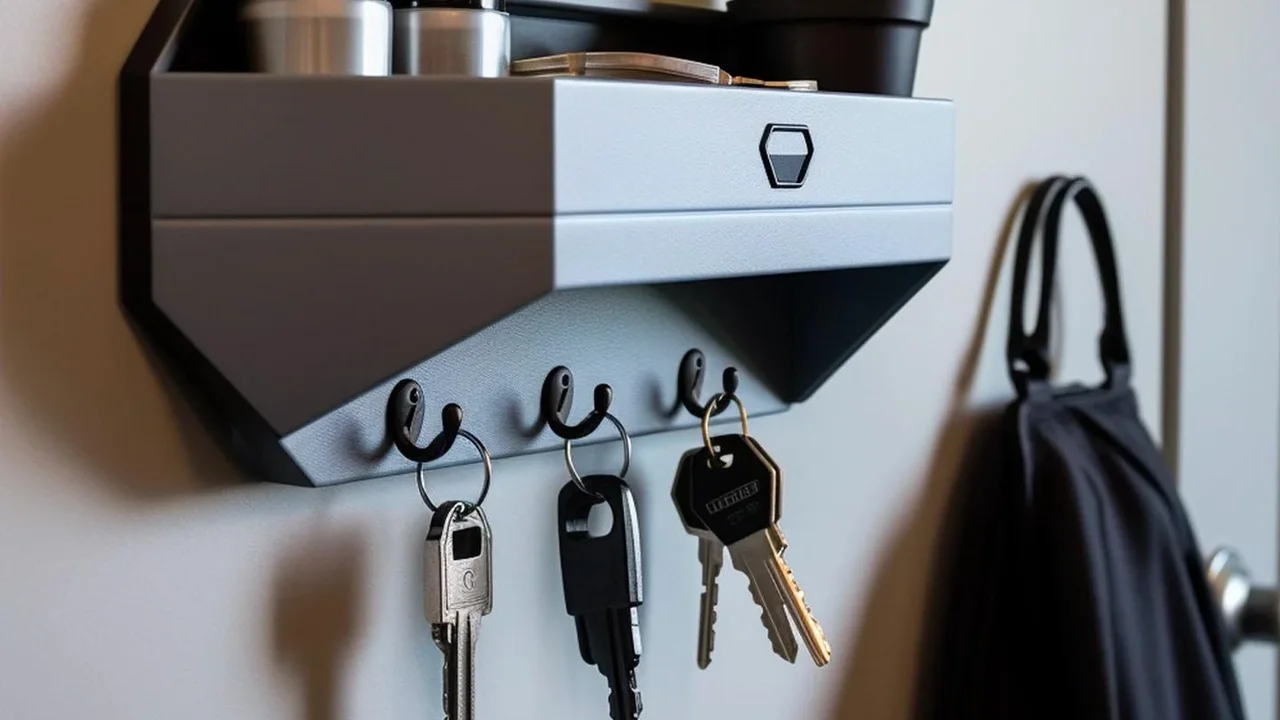
Entryway storage shouldn't just be about hiding things away; it needs to facilitate drying. Closed cabinets can trap moisture, leading to musty smells and mould on your raincoats and footwear. Instead, opt for open storage solutions that allow for air circulation. A sturdy umbrella stand is essential to contain drips. A hall tree or wall-mounted hooks provide a place for wet coats to air out. For shoes, consider a bench with open slatted shelving underneath or simple waterproof boot trays. This approach keeps wet items organised while allowing them to dry properly, preventing damage to both your gear and your home.
Create a Designated 'Drip Zone'
Instead of letting wet items scatter, create an intentional, consolidated 'drip zone' right by the entrance. This is a dedicated, hardworking area designed to handle the immediate mess. You can define this zone with a large, waterproof runner or a cluster of boot trays. A small, waterproof bench can provide a spot to sit while removing wet shoes, keeping the mess contained. Place your umbrella stand and coat hooks within this zone. This strategy signals to family and guests that this is the designated spot for all wet belongings, protecting the rest of your foyer and making cleanup a simple, one-area task.