




Immediate Action: Damage Control
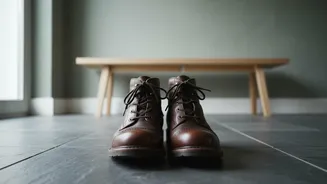
The moment you get home, act quickly. Don't leave wet, muddy shoes in a corner to fester. The longer moisture sits, the more it can damage the material and encourage bacteria to grow, which is the primary cause of foul odours. First, wipe off any excess
mud and water with a soft cloth. For really soaked shoes, remove the laces and insoles; this allows them to dry separately and much faster, while also letting air circulate more freely inside the main body of the shoe. This simple first step can dramatically cut down on drying time and prevent long-term damage.
The Classic Method: Newspaper Stuffing
It’s a time-tested method for a reason: it works. Crumpled newspaper is highly effective at absorbing moisture from inside a shoe. The paper's cellulose fibres and porous structure act like a sponge, drawing water out of the fabric while helping the shoe maintain its shape. Loosely ball up sheets of newspaper and stuff them all the way to the toe. For very wet shoes, you’ll need to replace the damp newspaper with fresh, dry sheets every few hours to continue the process. While it might take up to 12 hours or more for a shoe to dry completely this way, it is one of the safest methods and prevents the material from cracking or warping, which can be caused by direct heat.
Beyond Paper: Modern Drying Solutions
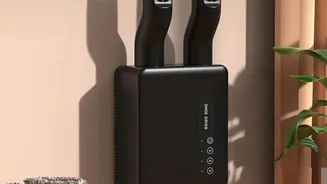
If newspaper feels too slow, other options can speed things up. Placing shoes in front of a fan is a great way to increase airflow and accelerate evaporation. Don't point the fan directly into the shoe, but rather across it to create gentle circulation. For climates with high humidity where air-drying is ineffective, a dehumidifier can be a game-changer. Place your shoes in a small, closed room with the dehumidifier to create a dry micro-environment. You can also buy small, reusable silica gel packets, which are excellent at absorbing moisture and can be placed inside shoes when they’re in storage to keep them dry.
Special Care for Different Materials
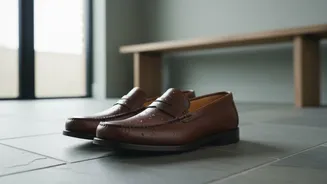
Not all shoes should be treated the same. Leather, for instance, is particularly vulnerable to damage from improper drying. Never use a hairdryer or place leather shoes near a radiator, as direct heat can cause the material to crack and become brittle. After blotting away surface moisture, insert cedar shoe trees, which help absorb moisture and maintain the shoe's shape. Allow them to air-dry naturally on their side for at least 24 hours. Suede should also be kept away from direct heat. For canvas and synthetic sneakers, the newspaper and fan methods are generally very safe and effective.
Winning the War on Odour
Dampness often brings an unpleasant, musty smell caused by bacteria. To combat this, you can sprinkle a generous amount of baking soda inside your dry shoes and let it sit overnight to absorb odours and residual moisture. Simply tap out the excess powder in the morning. For a natural anti-fungal solution, a few drops of tea tree oil mixed with water in a spray bottle can be lightly misted inside the shoes. Another effective strategy is to place your shoes in a sealed plastic bag and leave them in the freezer for 24 hours; the cold temperatures can kill off odour-producing bacteria.
Prevention Is the Best Strategy
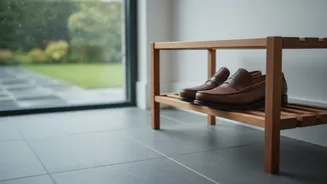
The easiest way to deal with wet shoes is to avoid them getting soaked in the first place. Before the monsoon hits, consider treating your footwear with a water-repellent spray. This creates a protective barrier that causes water to bead off the surface instead of soaking in. It’s also wise to rotate your footwear. Avoid wearing the same pair every day, as this gives each pair at least 24 hours to completely air out and dry, which is crucial in humid weather. Finally, storing shoes in a well-ventilated area rather than a closed, damp cupboard can prevent mould and mildew from growing.