
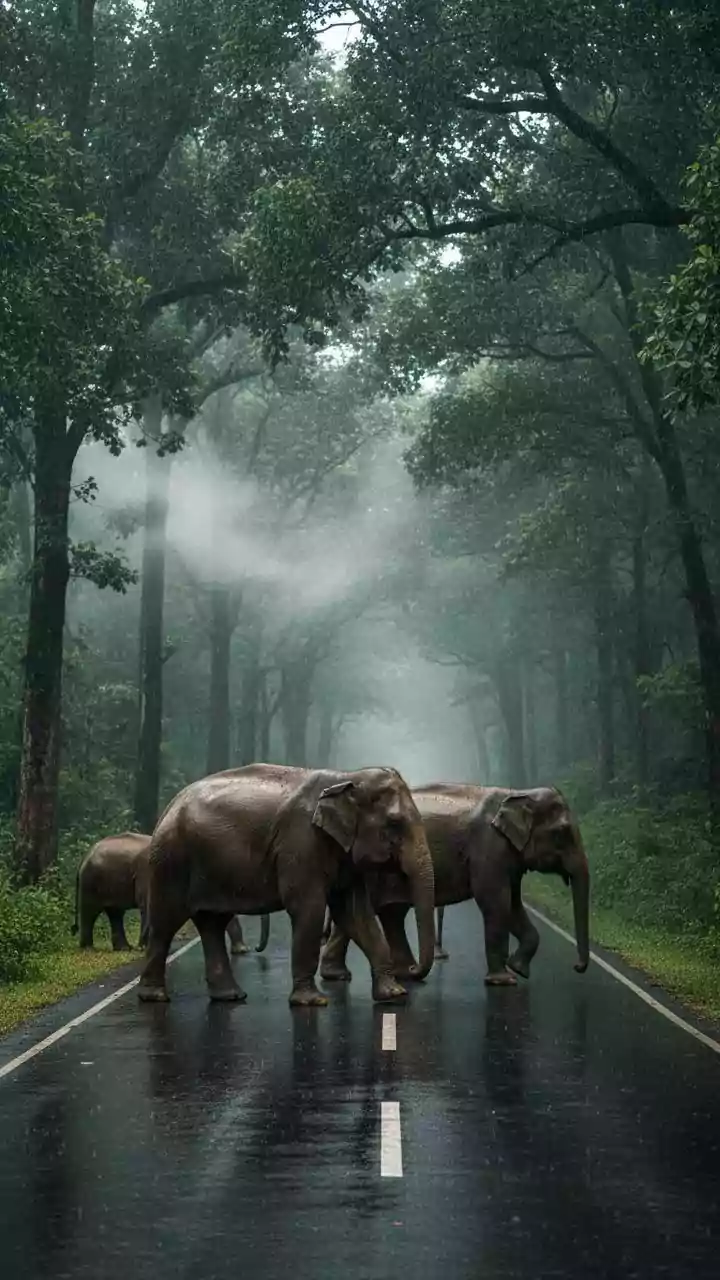
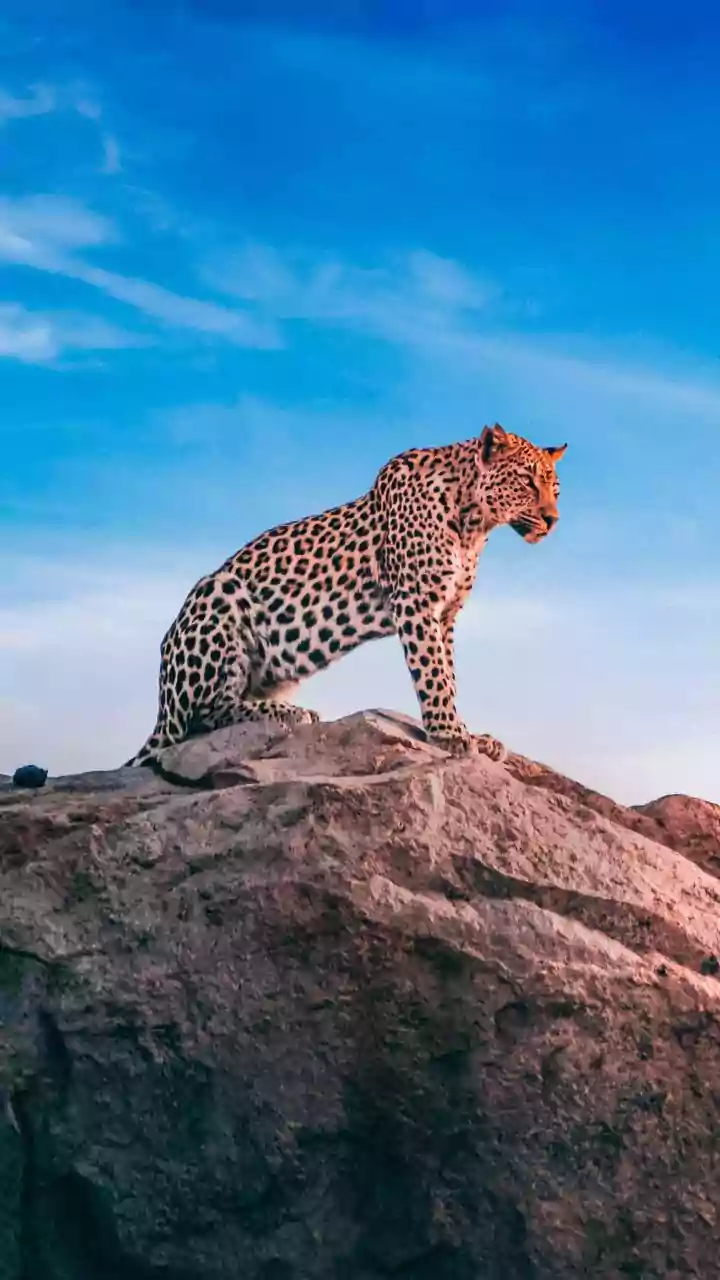
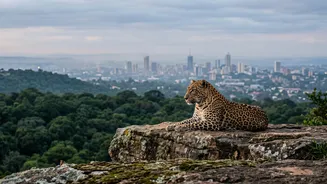
The sight of a monkey darting across a busy road or a leopard seen on the fringes of a city is becoming increasingly common. But these encounters are more than just animals searching for food; they are signs of a remarkable adaptation taking place.
The New Urban Jungle
Cities
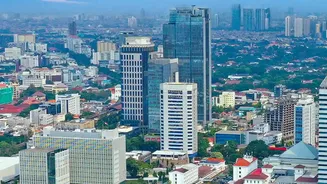
are one of the most rapidly changing environments on Earth. For wildlife, the expansion of concrete, roads, and human activity means the loss and fragmentation of natural habitats. Yet, some species are not just surviving, but thriving in these human-dominated landscapes. Instead of retreating, they are adjusting. This behavioural flexibility is key to their success. Animals that can learn to navigate new challenges—finding food, avoiding people, and finding shelter—are the ones most likely to carve out a life in our urban spaces. This has led to the rise of 'urban adapter' species, from the rhesus macaques of Delhi to the leopards of Mumbai, who are rewriting the rules of living wild.
Becoming Creatures of the Night
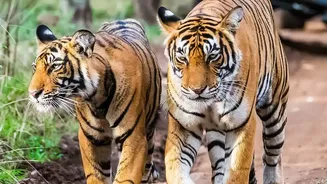
One of the most significant changes observed in city-dwelling animals is a shift in their daily schedule. To avoid the constant noise and activity of humans, many animals are becoming more nocturnal. A major study found that mammals worldwide were, on average, 1.36 times more active at night in areas with high human disturbance. This allows them to use the same space as humans, but at a different time. Leopards on the outskirts of cities like Mumbai, for example, have adapted to hunt primarily at night, using the cover of darkness to move through human-dominated areas and prey on stray animals. This temporal separation is a clever strategy to minimise direct conflict and coexist in a crowded world.
A Different Kind of Communication
Have you ever had to raise your voice to be heard in a noisy room? Urban animals face a similar challenge every day. The constant low-frequency rumble of traffic and construction masks the sounds they rely on to communicate, find mates, and warn of danger. In response, many species are changing their tune. Studies have shown that birds in cities often sing at a higher pitch than their rural counterparts to cut through the background noise. Some even sing faster or earlier in the morning before the city truly wakes up. It's a clear example of adaptation in action, as animals adjust their 'language' to be heard in the urban soundscape.
Bolder, Braver, and Smarter?
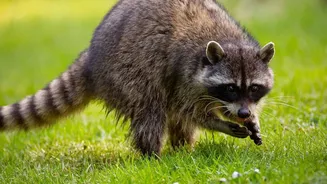
Life in the city may also be driving cognitive changes. Urban environments are full of novel challenges and opportunities that can reward boldness and problem-solving skills. Researchers suggest that animals able to innovate—like raccoons figuring out complex 'animal-proof' bins or monkeys in Delhi learning to steal food—are more likely to succeed. Studies have found that urban animals can outperform their rural counterparts in certain problem-solving tasks. They learn that humans can be a source of food and, in many contexts, are not a direct threat, leading to a reduction in their natural fear. This boldness allows them to exploit resources that would be unavailable to more timid individuals, giving them an edge in the concrete jungle.
An Evolving Relationship
The adaptation of wildlife to urban centres is a testament to nature's resilience. However, it's not a simple success story for all species; many do not adapt well and their populations decline in urban areas. For those that do, their changes in diet to include human refuse and altered social structures present new challenges for both them and us. The presence of bolder, more habituated wildlife increases the potential for human-wildlife conflict. Monkeys becoming aggressive over food or leopards preying on domestic animals are symptoms of this complex, evolving relationship. These behavioural shifts highlight the delicate balance required to foster coexistence.