



More Than Just South Indian Food
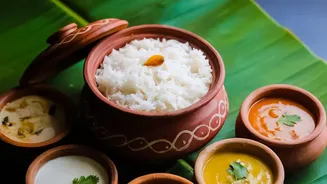
To label the food of Thanjavur as merely 'South Indian' is to miss the point entirely. This region, often called the 'Rice Bowl of Tamil Nadu', boasts a culinary identity distinct from its neighbours. Shaped by centuries of Chola kings, agricultural abundance,
and later, a significant Maratha influence, Tanjore cuisine is a complex tapestry of flavours. A food tour here is less about sampling a homogenous regional palate and more about uncovering the layers of history that distinguish it. The cuisine is a fascinating mix of traditional Tamil Brahmin cooking and the courtly recipes of the Maratha rulers who governed the region from the 17th to the 19th centuries. This fusion has created a unique gastronomic landscape where recipes tell the story of cultural exchange.
The Royal Maratha Influence
The Maratha dynasty left an indelible mark on Thanjavur's culture, and its kitchen is no exception. Legend has it that even the ubiquitous sambar has its origins in the royal Maratha kitchens. The story goes that when Sambhaji, a visiting Maratha royal, was being hosted, the cooks substituted local tamarind for the traditional Maharashtrian kokum in a lentil dish called 'amti', and the new creation was named in his honour. While historians debate the tale's accuracy, the Maratha contribution is undeniable. They introduced new techniques and dishes, some of which were meticulously documented by the learned ruler Raja Serfoji II. These records, preserved today, reveal a palace with separate kitchens for Maratha non-vegetarian dishes, Brahmin vegetarian food, and even European fare. Dishes like 'kola urundai' (mutton meatballs) are believed to have evolved from Maharashtrian kebabs.
The Purity of Brahmin Cooking
Running parallel to the royal kitchens is the tradition of Thanjavur's Brahmin community. This style of cooking is purely vegetarian and follows principles that emphasize subtlety and balance. It is typically less spicy than many other Tamil cuisines, allowing the natural flavours of the vegetables and freshly ground spices to shine. Staples of a Tanjore Brahmin meal include 'poricha kuzhambu', a mild lentil and vegetable stew, and 'paruppu usili', a delicate dish of crumbled lentils mixed with vegetables like beans or banana flower. The use of coconut, either as a garnish or ground into a paste, is common, a practice some historians also link to Maratha influence. This cuisine focuses heavily on rice, lentils, and a vast array of locally grown vegetables, reflecting the agricultural prosperity of the Kaveri delta.
Signature Tastes of Tanjore
A true food tour of Tanjore is incomplete without savouring its signature dishes. One of the most famous is 'vatha kuzhambu', a tangy, spicy tamarind-based curry made with sun-dried vegetables ('vathals') like turkey berry or black nightshade. It has a long shelf life and a concentrated flavour that is quintessentially Tamil. Another local specialty is 'pulinkari'. Unlike the thick consistency of vatha kuzhambu, it is a more fluid tamarind-based dish often made with pumpkin, which lends a subtle sweetness to balance the tang and spice. For those with a sweet tooth, the region offers unique desserts. And to drink, one must try 'panagam', a refreshing beverage of jaggery, dried ginger, and cardamom, or 'vasantha neer', a cooling mix of tender coconut water and mint.
Embarking on the Culinary Journey
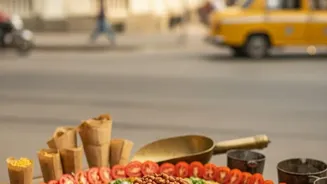
A modern food tour through this historic region is an immersive experience. It takes you from the bustling street food stalls offering crispy vadas to the serene atmosphere of temple kitchens serving blessed 'prasadam'. The journey might include a meal at a traditional eatery like Sree Aariya Bhavan, known for its authentic vegetarian fare, or a taste of heirloom recipes that have only recently become accessible to the public. The real magic, however, often lies in a home-cooked meal, where generations-old recipes are brought to life. It is here that one can truly appreciate the nuance and care that defines Tanjore cooking. The experience is a celebration of local ingredients, from the rice harvested in the surrounding paddy fields to the freshly ground spices that form the soul of every dish.