





Ladakh’s Monsoon-Proof Geography
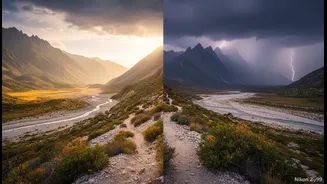
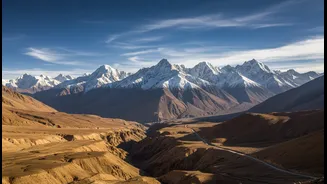
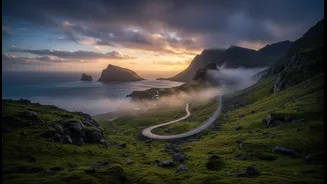
The secret to Ladakh's appeal during the rainy season is simple geography. Nestled in a 'rain shadow' zone, the towering Himalayan and Karakoram ranges act as a massive barrier, blocking most of the monsoon clouds that drench the rest of the country.
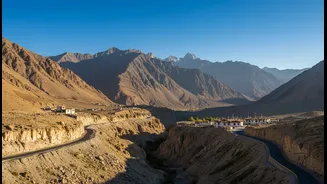
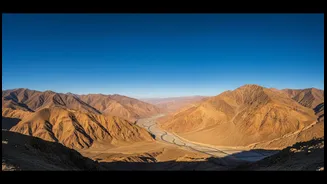
While popular destinations in Himachal Pradesh and Uttarakhand are experiencing heavy downpours and road closures, Ladakh remains a high-altitude cold desert, receiving minimal rainfall. This unique climatic condition means that from July to September, when other mountain adventures are put on hold, Ladakh’s landscapes are sunny, dry, and wide open for exploration, offering clear blue skies and pleasant daytime temperatures that hover between 20°C and 30°C.
Open Roads and Clear Skies
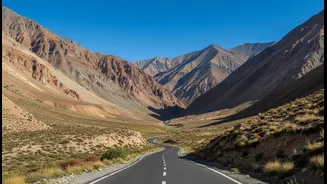
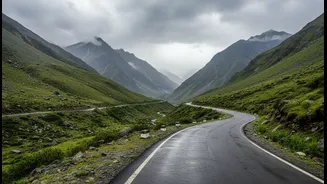
For a road tripper, nothing is more crucial than accessible roads. During the monsoon, the highways to many Indian hill stations become treacherous. In stark contrast, the main arteries leading to and within Ladakh are at their most reliable during these months. All major tourist destinations like Pangong Tso, Nubra Valley, and Tso Moriri are fully accessible. This doesn't mean the journey is without challenges. The approach roads, particularly the Manali-Leh Highway, pass through regions that do get monsoon rains. This can lead to slushy patches and swollen water crossings, especially in the afternoons. However, once past these initial stretches and into the rain shadow proper, conditions improve dramatically, offering some of the most stunning and uninterrupted driving experiences in the world. The Srinagar-Leh highway is often considered a slightly more stable, albeit longer, alternative during this period.
More Than Just Dry Weather
The appeal of a Ladakhi monsoon trip goes beyond just avoiding the rain. This period is the peak of the region's short summer, and the landscape transforms. The minimal rainfall can bring out surprising patches of green in the valleys, creating a stunning contrast against the stark, brown mountains—a paradise for photographers. It's also a time of vibrant cultural activity. Many of Ladakh's most famous monastic festivals, like the one at Hemis Monastery, are held during the summer months, offering travellers a deep dive into the region's unique Tibetan Buddhist culture. For adventure seekers, the conditions are perfect for trekking, and the high water levels in the Indus and Zanskar rivers make it the best season for white-water rafting.
‘Safe’ Doesn’t Mean Zero Risk
While Ladakh is safer from rain-related hazards, it presents its own set of challenges that every road tripper must respect. The primary health concern is Acute Mountain Sickness (AMS), which can affect anyone ascending to high altitudes too quickly. Leh is situated at about 11,500 feet, and it's crucial for travellers to acclimatise properly. The official advice from the Leh District Administration is to rest for a minimum of 48 hours upon arrival before venturing to higher altitudes like Khardung La or Pangong Tso. Ignoring this can lead to symptoms like headaches, nausea, and dizziness, which can escalate if not addressed. Hydration is key; drinking 3-4 litres of water daily is recommended. Beyond AMS, road conditions can still be unpredictable, and a mechanically sound vehicle and some buffer days in the itinerary are non-negotiable.
Your Monsoon-Era Ladakh Checklist
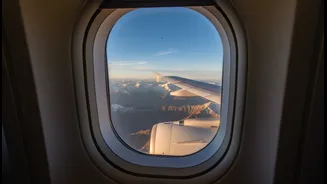
Planning is everything. If you’re flying in, book your flights and accommodation well in advance as this is peak season. If driving, ensure your vehicle has been thoroughly serviced. Pack layers: light clothes for the sunny days, and a warm fleece or down jacket for the cold nights and high passes. Sun protection is essential—the UV intensity at this altitude is extreme, so bring high-SPF sunscreen, sunglasses, and a hat. While Ladakh itself is dry, a rain jacket is wise for the journey there. Most importantly, build a flexible itinerary. Plan for at least two days of acclimatisation in Leh and add a couple of buffer days to your trip to account for any unforeseen delays on the road.