






The New Engines of Growth
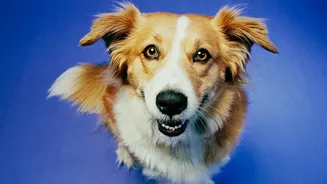
While Bengaluru, Delhi, and Mumbai have long been the epicentres of India's pet economy, the most dramatic growth is now happening elsewhere. Recent data reveals that pet care orders in Tier-2 and smaller cities are surging, posting a remarkable 96% year-on-year
increase, far outpacing metro demand. Cities like Guwahati, Meerut, Madurai, and Kottayam are leading this charge, with some recording triple-digit growth in pet-related spending. This boom signifies a crucial inflection point, where the desire for premium pet care is no longer an urban luxury but a burgeoning mainstream trend across a wider geographic and economic spectrum.
What's Driving the Boom?
Several powerful socio-economic currents are fueling this expansion. The primary driver is the 'humanization' of pets. A growing number of Indians, particularly younger Gen Z and Millennial couples in nuclear families, view their pets not as animals but as integral family members. This emotional shift, accelerated by the pandemic-driven need for companionship, translates directly into higher spending on their well-being. Rising disposable incomes across the country provide the financial capacity for this new spending, allowing pet parents to look beyond basic sustenance. As one industry expert noted, India is hitting an income level that globally serves as an inflection point for massive growth in pet adoption and care.
From Home Food to Premium Diets
The most significant change is the move from leftover home-cooked meals to commercially manufactured pet food. This segment anchors the market, but the demand is increasingly sophisticated. Pet parents in smaller cities are seeking out grain-free options, breed-specific formulas, and wellness supplements. This demand for better nutrition is mirrored in other categories. Grooming products like specialty shampoos, services like mobile grooming vans, and even discretionary items like pet treats and toys are seeing unprecedented demand. Quick commerce platforms have played a vital role, making these products accessible in cities where physical pet stores were once scarce.
Opportunities and On-the-Ground Challenges
The opportunity for brands and entrepreneurs is immense. With over 90% of Indian pet owners being first-timers, there is a huge need for education-led marketing and accessible products. However, this new frontier is not without its hurdles. The supply chain for non-food items can be fragmented and unstructured, leading to inconsistent availability and quality. There is also a shortage of trained professionals, from veterinarians to groomers, in many of these emerging markets. For entrepreneurs in these cities, the challenge is not just to sell a product, but to build an entire ecosystem of awareness and trust from the ground up.
The Feline Factor
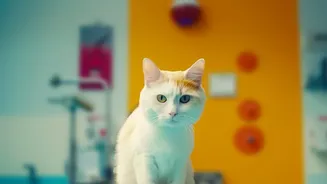
Interestingly, the rise of the cat is a significant part of this new chapter. While dogs still dominate in sheer numbers, the feline population is growing at a much faster rate. Cats are particularly well-suited to the smaller apartment lifestyles common in urbanizing centres. Data shows cat food is now a dominant category, in some cases accounting for nearly 60% of pet food demand on major platforms and becoming the most-searched pet-related term. This trend highlights how the market is not just expanding geographically but also diversifying in terms of pet preferences.