



An Innings for the Ages
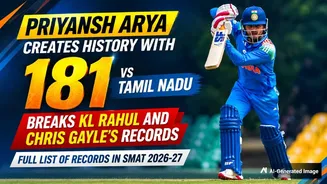
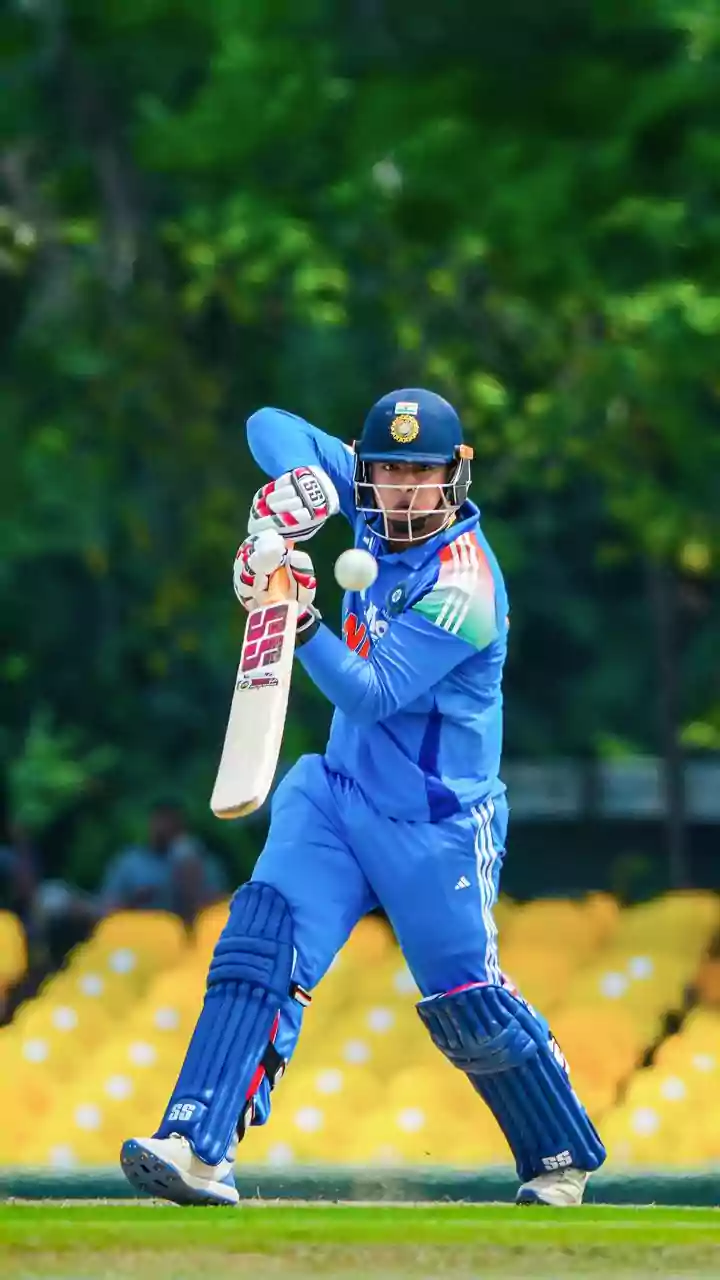
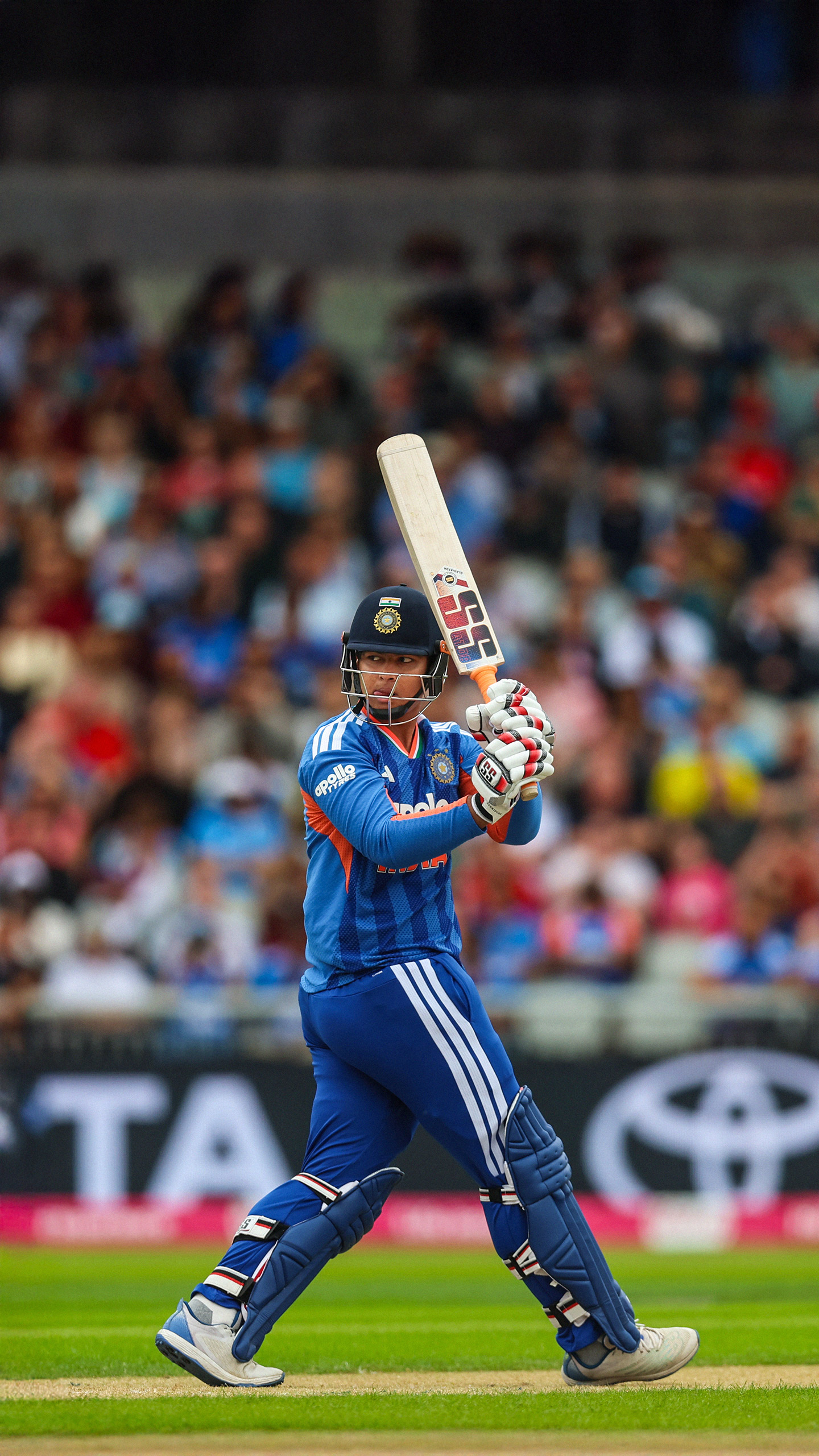
On November 24, in a Syed Mushtaq Ali Trophy match against Tamil Nadu, Priyansh Arya produced a T20 innings of historic proportions. The Delhi skipper, a 25-year-old left-hander, bludgeoned a scarcely believable 181 runs from just 68 balls. His century
came up in a mere 36 balls. The knock included an astonishing 19 sixes, equalling the world record for the most in a single T20 innings, and seven fours. This wasn't just a big score; it was the highest individual score by an Indian in T20 history, surpassing KL Rahul's previous record, and the second-highest in men's T20 cricket worldwide. It was the kind of brutal, match-winning display that forces selectors to take notice, especially with a T20I series against Sri Lanka scheduled for late December.
1. Sanju Samson
Sanju Samson has been a tantalising prospect for Indian cricket fans for years, possessing sublime timing and power. However, his inconsistency in national colours has been a recurring theme. While he remains a valuable asset, his spot, particularly as an opener or top-order batsman, is never entirely secure. Recent T20I assignments have seen the team management experiment with various combinations at the top, including Samson, Abhishek Sharma, and Ishan Kishan. Arya's arrival as an explosive, in-form, left-handed opener presents a direct challenge. Selectors often reward red-hot form, and Arya's current momentum is a tidal wave. Replacing Samson would be a bold call, but if the management wants to inject raw, record-breaking power at the very top of the order, Arya's case is compelling. His ability to dominate from ball one, as demonstrated in his historic knock, is exactly the kind of high-impact start India often looks for in T20s.
2. Abhishek Sharma
Abhishek Sharma has established himself as one of the premier power-hitters at the top of the order for India in T20Is, valued for his aggressive left-handed style. He has often been the designated attacker in the powerplay. However, the T20 format is notoriously fickle, and form can desert even the best players. While Abhishek has been a key part of the setup, a player like Priyansh Arya, who offers the same left-handed advantage but is coming off a potentially career-defining innings, complicates the selection process. The debate would centre on whether to stick with the established player or to gamble on the man with the golden touch. Arya's 181 wasn't just a slogging innings; it displayed an ability to sustain an attack against a quality domestic side, suggesting a maturity beyond just power-hitting. This makes him a direct alternative for the role Abhishek currently occupies.
3. Tilak Varma
Tilak Varma is another exciting left-handed talent who has made a significant impact in the Indian middle order. He is generally not an opener, which makes this a less direct replacement. However, the inclusion of a player like Arya could cause a tactical reshuffle. If Arya partners another opener, it could lead to other players being shifted in the batting order. Varma's position, while strong, has seen him used as a floater. If selectors decide that Arya's firepower is simply too good to leave out, they could opt to play him and rebalance the middle order, potentially putting pressure on Varma's spot. Alternatively, Arya's versatility could be tested by asking him to bat at number three, a position where Varma has had mixed success for India. Bringing Arya into the squad for a middle-order player would be a move to pack the team with as many in-form, boundary-hitting options as possible, a strategy increasingly favoured in modern T20 cricket.