




The Global Wellness Glow-Up
For years, Indian food in the global imagination was often reduced to heavy, cream-laden curries served in restaurants. At home, many of us grew up hearing that traditional foods like ghee and coconut were 'fattening' and best avoided. But the pendulum
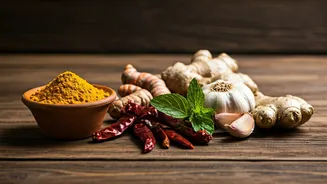
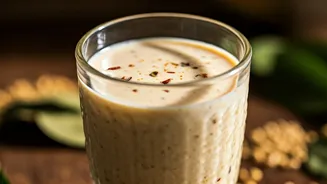
is swinging back, hard. Suddenly, the very ingredients our ancestors swore by are being hailed as 'superfoods' by international health gurus and wellness influencers. This isn't just about the West discovering turmeric; it's a worldwide re-evaluation of a diet rich in plant-based proteins, complex carbohydrates, and powerful spices. Social media is buzzing with videos on the benefits of 'golden milk' (haldi doodh) and recipes for ancient grains, turning our everyday kitchen wisdom into a viral global trend.
Beyond Turmeric: A Pantry of Powerhouses
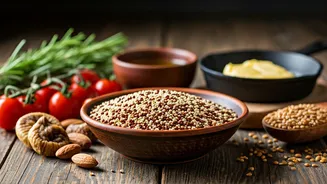
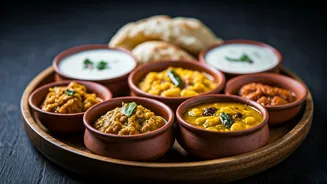
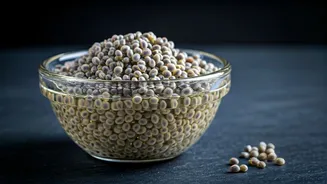
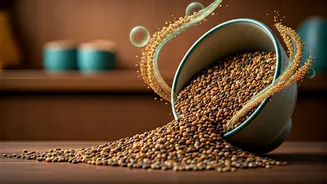
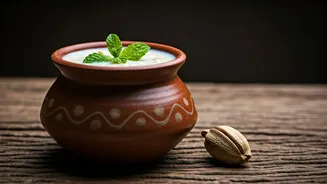
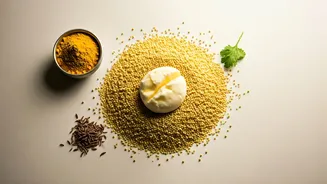
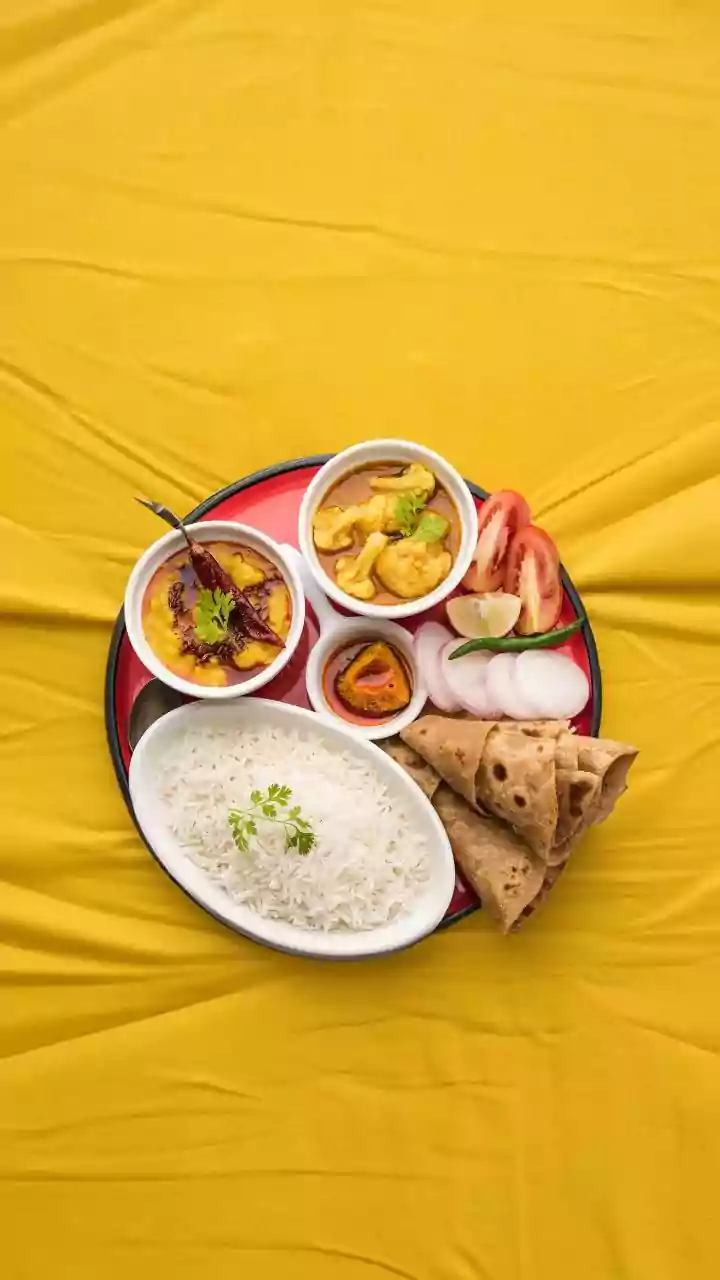
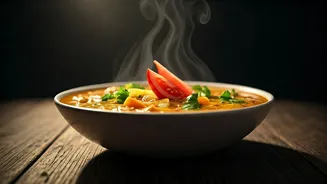
While turmeric and its anti-inflammatory compound, curcumin, have become the poster child for Indian superfoods, the health story runs much deeper. Lentils and legumes, the foundation of countless dals and sabzis, are being celebrated for their high protein and fibre content, crucial for gut health and sustained energy. Millets like jowar, bajra, and ragi, once considered humble grains, are now praised as gluten-free, nutrient-dense alternatives to refined wheat and rice. They are packed with magnesium, iron, and antioxidants. Even fermented foods like idli, dosa, and homemade dahi are getting their due for being rich in probiotics, the beneficial bacteria that support a healthy digestive system and boost immunity. The world is finally looking beyond a single spice to appreciate the holistic, balanced nature of a traditional Indian thali.
Ghee: From Unhealthy Fat to Wellness Staple
Perhaps no single ingredient represents this shift better than ghee. For decades, it was vilified as a source of saturated fat, blamed for everything from weight gain to heart disease. Many Indian households switched to refined vegetable oils, believing they were making a healthier choice. Today, nutrition science has a more nuanced view. Ghee is rich in fat-soluble vitamins like A, E, and D, and contains butyric acid, a short-chain fatty acid that can improve gut health and reduce inflammation. When consumed in moderation as part of a balanced diet, it's now seen not as a villain, but as a healthy fat that aids digestion and enhances the absorption of nutrients from other foods. This comeback story is a powerful reminder that traditional food wisdom often has a scientific basis, even if it takes a while for research to catch up.
The Wisdom Is in the Method
The health benefits of Indian food aren't just in the ingredients, but in the traditional methods of preparation. The practice of 'tadka' or 'chaunk'—tempering spices in hot ghee or oil—isn't just for flavour; it helps make the nutrients in spices more bioavailable. The art of combining different foods, like dal with rice, creates a complete protein profile. Slow cooking, fermenting, and using a wide array of spices work synergistically to create meals that are not only delicious but also easy to digest and deeply nourishing. This is where the homemade, everyday Indian meal differs drastically from its often-simplified restaurant counterpart. The true health benefits lie in the balanced, seasonal, and mindfully prepared food that has been the cornerstone of our households for generations.