

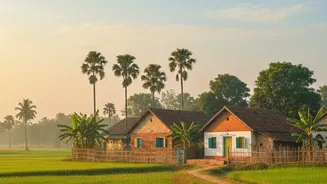

For decades, a trip to Thailand meant a predictable and beloved circuit: the vibrant chaos of Bangkok, the cultural heart of Chiang Mai, and the sun-drenched beaches of Phuket. But a change is underway as travellers seek something more.
The Search for Something More
The classic Thai
holiday is still popular, but a growing number of visitors, including many from India, are looking past the main tourist hubs. This shift isn't about rejecting the classics, but about a desire for deeper, more authentic experiences. After years of mass tourism, hotspots like Phuket and parts of Bangkok have become victims of their own success, leading to overcrowded beaches, rising prices, and a feeling that the local culture is buried under a layer of commercialism. Travellers today are increasingly motivated by a search for rest, nature, and mental wellbeing, prompting them to seek out quieter, more intentional journeys. This evolving mindset means the 'perfect' Thai holiday is being redefined.
Swapping Crowds for Authenticity
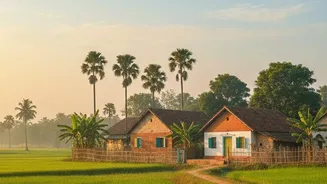
The biggest driver for this trend is the search for authenticity. Modern travellers want to connect with a place and its people, not just see the sights. Instead of fighting for a spot on a crowded Patong Beach, they are discovering the tranquil shores of provinces like Trang, where life moves at a slower pace and the marine ecosystems are more pristine. Similarly, the rich cultural tapestry of Northern Thailand is being explored beyond Chiang Mai. Provinces like Nan and Chiang Rai offer a glimpse into traditional Lanna life, with quiet mountain valleys, serene temples, and bustling local markets that haven't yet been overwhelmed by tourism. The Tourism Authority of Thailand (TAT) has recognized this shift, actively promoting these 'second-tier' provinces to help distribute tourism income and preserve local culture.
The Allure of Unspoiled Nature
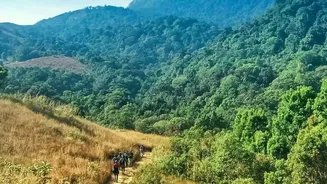
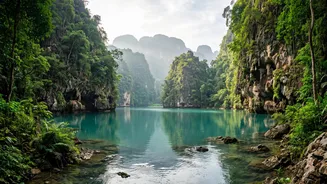
While Thailand's beaches are legendary, many travellers are now looking inland for their nature fix. Khao Sok National Park, with its ancient rainforest and stunning Cheow Lan Lake, offers experiences like staying in floating bungalows, a world away from the busy beach resorts. Even coastal destinations are being chosen for their natural integrity. The islands of Koh Kood and Koh Lanta, for example, offer a more laid-back vibe compared to the party-centric atmosphere of Koh Phangan or the heavy development on parts of Koh Samui. This focus on nature aligns with a global trend of 'hushpitality' — the growing desire for quiet, calm, and restorative travel experiences. These destinations allow visitors to hear the sounds of the jungle or the gentle lapping of waves, rather than the constant hum of tourist traffic.
Better Value and Deeper Connections
Cost is another significant factor. While Thailand remains an affordable destination for many Indian travellers, prices in premier tourist areas have risen. Exploring beyond these hubs often means better value for money, from accommodation and food to local transport. A meal at a local market in a city like Ubon Ratchathani or a stay in a guesthouse in Kanchanaburi can cost a fraction of its equivalent in Phuket. This affordability allows for longer stays and more immersive experiences. Travellers find that their money goes further, enabling them to participate in community-based tourism, take a local cooking class, or learn a traditional craft—activities that create lasting memories and directly support local economies.
Where to Go Next?
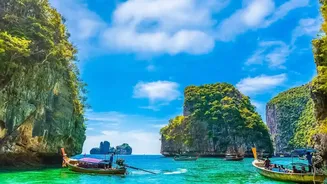
So, where are these intrepid travellers headed? In the North, Nan and Chiang Rai are gaining popularity for their culture and scenery. In the South, the Trang islands, including the worldclass Koh Kradan, offer a quieter Andaman Sea experience. For those seeking jungle and adventure, Khao Yai and Khao Sok National Parks are top choices. And for a different kind of cultural immersion, the ancient capitals of Ayutthaya and Sukhothai provide a journey back in time, revealing a side of Thai history that many visitors miss. The government is actively improving infrastructure in these 55 designated 'secondary' provinces to make them more accessible for tourists seeking a different path.