





The Tyranny of Decadence
Picture this: you’ve just finished a magnificent meal. The server approaches, dessert menu in hand. Your eyes scan the options, but you know what society expects you to crave. It’s the molten chocolate lava cake, the triple-fudge brownie with ice cream,
or the impossibly dense cheesecake. These are the undisputed heavyweights, the titans of the dessert world. They arrive with fanfare, oozing and dramatic, demanding every last bit of your appetite and attention. This is the tyranny of decadence—a cultural script that tells us a 'proper' dessert must be an act of glorious, unapologetic indulgence. Anything less, the script implies, is a compromise. A fruit platter is seen as a reluctant concession to health, a sorbet as a placeholder for 'real' ice cream. We've been conditioned to believe that the value of a dessert is directly proportional to its richness and calorie count. This narrative sidelines an entire universe of sweets that offer a different, but equally profound, kind of satisfaction.
Celebrating the Art of Subtlety
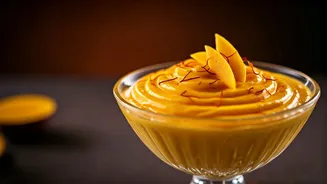
Here's a truth that pastry chefs know well: it is far harder to create a memorable light dessert than a heavy one. When you can’t hide behind mountains of butter, cream, and sugar, true skill is revealed. Crafting a perfect panna cotta, with its ethereal wobble and clean, creamy flavour, is an exercise in precision. Balancing the tartness and sweetness in a lemon posset, which uses just three ingredients to create magic, requires a masterful palate. A great light dessert is a masterclass in texture, balance, and restraint. Think of a perfectly poached pear, infused with star anise and cinnamon, or a scoop of vibrant mango sorbet that tastes more like the fruit than the fruit itself. These creations don’t assault your senses; they charm them. They showcase the nuance of their core ingredients, offering a clean, bright finish to a meal. This isn’t a lesser form of dessert-making; it’s arguably a more sophisticated one. It’s about coaxing out flavour, not just piling it on.
India’s Unsung Lighter Legends
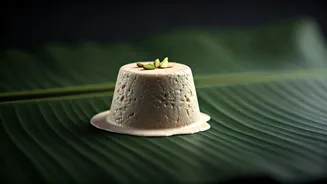
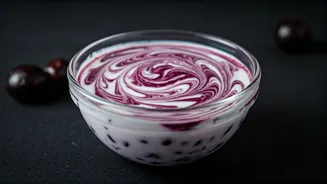
We don't even need to look to Western patisserie to find heroes of this genre. Indian cuisine is filled with exquisite lighter desserts that have been delivering main character energy for centuries. Consider the humble yet profound *mishti doi*. This Bengali classic, with its delicate tang, gentle sweetness, and cool, earthy flavour from the clay pot it's set in, is the perfect conclusion to a rich meal. It’s refreshing, complex, and deeply satisfying without being heavy. Then there’s *phirni*, the creamy, slow-cooked rice pudding fragrant with cardamom and rose water, often served chilled in clay bowls. It’s comforting but not cloying. And let’s not forget the simple genius of a plate of perfectly ripe seasonal fruits—juicy mangoes, sweet lychees, or crisp watermelons—dusted with a pinch of chaat masala to awaken the palate. These aren't 'diet options'; they are heritage desserts, designed to soothe and delight in a climate that often calls for something cooling and restorative.
More Than a Compromise
The greatest injustice done to lighter desserts is framing them as a choice born of guilt or obligation. Ordering the fruit tart instead of the chocolate torte isn’t a sign of weakness; it’s a confident choice for a different kind of pleasure. It’s for the diner who wants to leave the table feeling refreshed and invigorated, not in need of a long nap. It’s for the palate that appreciates brightness and acidity as much as it does richness. A meal is a story, and the final chapter matters. A heavy dessert can sometimes feel like a loud, abrupt ending. A lighter dessert, on the other hand, can be the perfect epilogue—a thoughtful, elegant note that lingers pleasantly, complementing everything that came before it rather than overpowering it. It allows the memory of the entire meal to shine, with the dessert as its sparkling finishing touch.