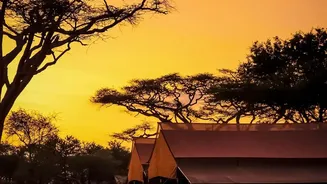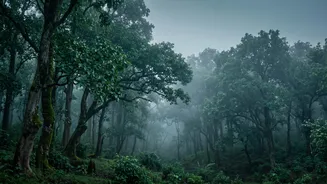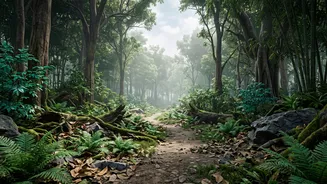




Dreaming of a winter wildlife safari, only to find permits for India's famous tiger reserves are completely sold out? You're not alone. But a growing number of savvy travellers are discovering an exciting alternative: the buffer zone safari.
The Core Zone Conundrum
Every year,
as winter approaches, a familiar frenzy begins. Wildlife enthusiasts rush to book safaris in the 'core' areas of premier national parks like Ranthambore, Jim Corbett, and Bandhavgarh. These central parts of the reserves are historically famous for their high density of wildlife, particularly tigers. However, the demand far outstrips the limited supply of permits, which are capped to minimise disturbance to the animals. For popular parks, permits for the entire winter season can sell out within minutes of being released online, often months in advance. This leaves many aspiring visitors disappointed, believing their chance to experience the wild has vanished.
Enter the Buffer Zone
What many don't realise is that surrounding these highly protected core areas are 'buffer zones'. These are transitional areas of forest that help protect the core from human pressures and provide additional space for wildlife to roam. Traditionally seen as secondary, these zones are now stepping into the limelight. As tiger populations have grown and dispersed, these animals are increasingly establishing territories in the buffer areas. In response, forest departments have formally opened many of these zones for tourism, creating a viable and increasingly popular alternative to the perpetually booked core.
A Different, Quieter Experience
A buffer zone safari is not a consolation prize; it's a distinct experience with its own set of advantages. The most immediate difference is the atmosphere. With fewer vehicles permitted compared to the core, the safaris are often quieter and more serene, offering a sense of exploring a more untouched wilderness. This less-crowded environment is ideal for birdwatching and landscape photography. While the core zones of many parks close during the monsoon, several buffer zones, like those in Corbett and Ranthambore, remain open year-round, offering a chance to see the forest in its lush, green glory.
Surprising Wildlife Encounters
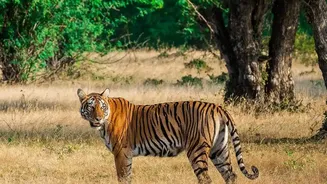
The belief that buffer zones lack significant wildlife is quickly becoming a myth. With healthy prey populations, tigers, leopards, and sloth bears are now regularly sighted in these areas. In parks like Tadoba-Andhari Tiger Reserve in Maharashtra, some buffer zones are considered by experts to offer tiger sightings as probable as the core areas due to the presence of water bodies and unique habitats. Similarly, in Ranthambore, buffer zones 6 through 10 have gained a reputation for consistent wildlife encounters, including tigers that have moved from the core. The experience may be different—tracking an animal through more rugged, diverse terrain—but it is no less thrilling.
Where to Explore the Fringes
Several national parks now boast wellmanaged and rewarding buffer safari experiences. In Jim Corbett, the Sitabani and Dhela zones are popular choices, with Dhela remaining open all year. Ranthambore's zones 6–10 offer landscapes of open grasslands and red–stone escarpments that are distinctly different from the core. In Central India, the buffer areas of Bandhavgarh (like Dhamokhar and Panpatha) and Tadoba (like Agarzari and Devada) are becoming must–visit destinations for serious wildlife watchers who appreciate the quieter environment. These zones often have their own entry gates, so it's essential to book accommodation nearby.
Conservation and Community Benefits
The rise of buffer zone tourism is also a win for conservation. It distributes tourist revenue over a wider area, creating livelihoods for local communities living on the park's periphery and giving them a stake in protecting the forest. This engagement helps reduce human–wildlife conflict and creates a protective social fence around the core. By dispersing the tourist load, it also reduces pressure on the most sensitive core habitats, ensuring the long–term health of the entire ecosystem.