






A Double-Edged Shovel
For archaeologists, climate change presents a startling paradox. On one hand, it is the single greatest threat to the preservation of heritage sites worldwide. Rising sea levels, coastal erosion, wildfires, and extreme weather are accelerating the destruction
of invaluable historical records. On the other hand, these same destructive forces are uncovering artifacts and sites that have been locked away for millennia, creating an unexpected boom in discovery. This has given rise to new fields like 'glacial archaeology', where scientists race to document finds emerging from melting ice before they are lost forever.
Treasures from the Ice
As mountain ice patches and glaciers retreat at an unprecedented rate, they are releasing a treasure trove of perfectly preserved organic materials. In places like Norway, the Alps, and North America, melting ice has revealed items that would otherwise decay and disappear. Discoveries include 1,300-year-old skis, complete with bindings, found in a Norwegian mountain pass, offering new insights into ancient travel. Elsewhere, hunters' arrows, some over 1,500 years old, clothing, and even the frozen mummy of 'Ötzi the Iceman,' who lived 5,300 years ago, have emerged from their icy tombs. These finds provide a direct, tangible connection to our ancestors and their way of life in challenging environments.
Secrets Revealed by Drought
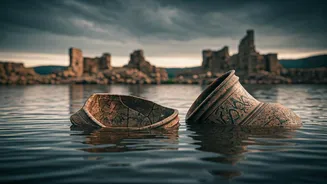
It is not just melting ice that is rewriting history. Severe droughts across the globe are causing water levels in rivers and reservoirs to plummet, revealing long-submerged landscapes. In Spain, a prehistoric stone circle dubbed the 'Spanish Stonehenge', officially the Dolmen of Guadalperal, has become fully visible for only a handful of times since it was flooded in 1963. In Iraq, receding waters in the Mosul reservoir have exposed a 3,400-year-old city from the Mittani Empire and dozens of Hellenistic-era tombs. Similarly, China’s shrinking Yangtze River has uncovered 600-year-old Buddhist statues, while in Rome, the ruins of Emperor Nero’s ancient bridge have appeared from the Tiber.
The Threat to India’s Heritage
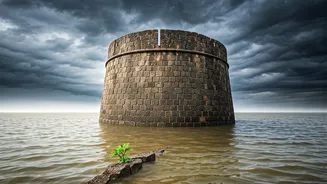
India’s vast and ancient heritage is acutely vulnerable to these same climatic pressures. Extreme weather events are causing tangible damage to some of the nation's most iconic sites. Unusually heavy rains have caused collapses at the 12th-century Sonar Fort in Jaisalmer, and cracks have appeared on the Taj Mahal. Coastal sites are particularly at risk. Rising sea levels and an increase in the frequency and intensity of cyclones threaten monuments like the Shore Temple at Mahabalipuram and the Sun Temple at Konark. From the Himalayas, where retreating glaciers threaten monasteries like Tabo, to the coasts of Goa and Kerala, where forts are crumbling into the sea, India is in a race to protect its legacy.