








A Welcome Announcement
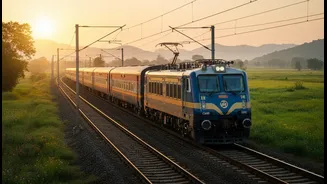
In early July, weeks before the usual frantic scramble, Railway Minister Ashwini Vaishnaw confirmed that over 100 special train services will be operated to handle the passenger rush for Onam. Southern Railway quickly began detailing these services, with
initial announcements for routes like Mangaluru-Chennai and Thiruvananthapuram-Tambaram, with bookings opening promptly. These trains, connecting major hubs like Bengaluru, Chennai, and Hyderabad to Kerala, are slated to run from July through September, offering a much-needed lifeline for families planning their annual trip home for the festival, which falls in late August. This proactive step aims to ensure that the large diaspora of Keralites working and studying across India can travel home with more certainty and less stress.
The Ghost of Festivals Past
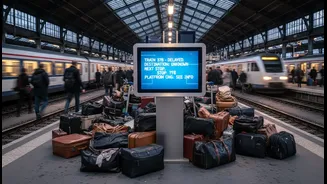
For years, the Onam travel period has been synonymous with chaos. For thousands of Malayalis, the journey home involved a desperate hunt for tickets, with regular train services booked out months in advance. This predictable surge created a ripple effect across all modes of transport. Airlines would often implement surge pricing, sending fares soaring, while private bus operators charged exorbitant rates, taking advantage of the desperation. This left many families facing a stressful and expensive ordeal before the festivities even began. Social media and passenger forums would light up with stories of frustration, overcrowded trains, and the sheer logistical nightmare of securing a seat, turning a joyous homecoming into a test of endurance.
A Proactive Shift in Strategy
This year's early announcements signify more than just additional services; they represent a crucial shift from a reactive to a proactive strategy. By announcing trains well in advance, Indian Railways is directly addressing the core issues that have plagued festival travel for decades. In the past, special trains were often announced closer to the festival dates, which, while helpful, still contributed to a climate of uncertainty and last-minute rushes. This new approach suggests a more data-driven and passenger-focused planning process. It allows travelers to plan their leave and book tickets without the anxiety of waiting for last-minute declarations. It's a recognition that festival travel isn't a surprise event but a predictable, high-demand period that requires forward-thinking logistical solutions.
The Ripple Effect on Travel
The impact of this early planning extends beyond just train passengers. By providing a reliable and affordable travel option well in advance, the Railways can help stabilize the entire travel market during the festival season. With more confirmed train seats available, the pressure on air and bus services is likely to be tempered. This could potentially curb the extreme price gouging that has become a hallmark of festival travel in India. For families, this means not only a less stressful booking experience but also a more predictable travel budget, freeing up funds for festival celebrations rather than inflated travel costs. It empowers the consumer with more choices and lessens the power of operators who thrive on last-minute demand.
Challenges Still on the Track
While the early announcements are a significant step forward, challenges remain. The demand for tickets to Kerala during Onam is immense, and even 100+ special services may not be enough to satisfy everyone. Ensuring these services run on time and are not themselves subject to overcrowding will be the next major test. Passengers will also be watching the fare structures for these special trains, hoping they remain affordable. Furthermore, the success of this initiative for Onam will set a precedent. Passengers across the country will be hoping this proactive planning becomes the new standard for other major festivals like Diwali, Chhath Puja, and Pongal, which face similar, if not greater, travel pressures.