






The Humble Hero of the Spice Box
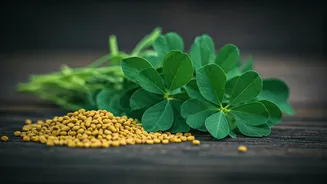
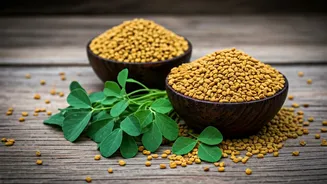
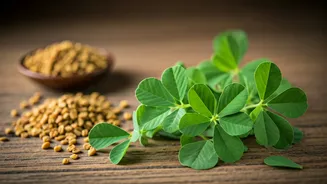
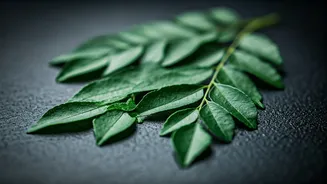
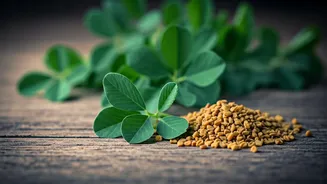
Known as methi in Hindi, fenugreek is a versatile plant used across India and the Middle East. It’s not one-size-fits-all; this culinary workhorse comes in three distinct forms, each with its own personality. There are the tiny, hard, amber-coloured seeds
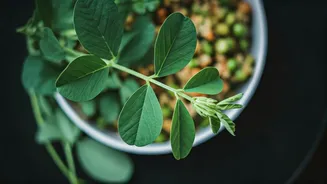
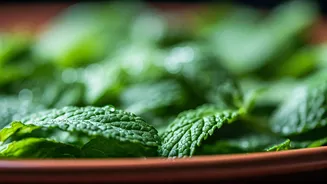
(methi dana), the fresh leafy greens that look like clover, and the dried leaves, known as Kasuri Methi. While the fresh leaves are used as a vegetable, similar to spinach, the seeds act as a spice, and the dried leaves serve as an aromatic finishing herb. This single plant offers a trio of possibilities for adding depth to your cooking.
Decoding the 'Layered' Flavour
So what does it mean for a flavour to be 'layered'? It means complexity and a taste that evolves as you eat. Methi is a master of this. Its primary characteristic is a pleasant bitterness, but that’s only the first impression. As it’s cooked, especially when toasted or bloomed in oil, that bitterness mellows significantly. It gives way to a deep, nutty, and slightly sweet undertone often compared to maple syrup or burnt sugar. This is thanks to a chemical compound called sotolon, which is also found in maple syrup. This combination of bitter, nutty, and subtly sweet is what creates a multi-dimensional taste experience, adding a savory depth that you can’t quite put your finger on but would miss if it were gone.
A Guide to Methi's Forms
Understanding which form of methi to use is key. The seeds are the most potent and bitter. They are best used sparingly at the beginning of cooking, often tempered in hot oil for tadka to infuse a dish with a warm, nutty aroma. Fresh methi leaves have a more vegetal, pronounced bitterness. They are wonderful in flatbreads like Methi Paratha or paired with potatoes in the classic Aloo Methi, where their robust flavour stands up to other ingredients. Kasuri Methi, the dried leaves, is perhaps the most user-friendly. Crushing a spoonful between your palms and sprinkling it over a curry or dal just before serving releases an incredible aroma and adds a final layer of herbaceous, savory flavour without overwhelming the dish.
Taming the Bitterness, Unlocking the Magic
The bitterness of methi is part of its charm, but it can be overpowering if not handled correctly. For fresh methi leaves, a common technique is to separate them from the thicker, more bitter stems. Many cooks also chop the leaves and toss them with a little salt, letting them sit for about 30 minutes before squeezing out the bitter juices. Another method is to blanch the leaves in hot water with a squeeze of lemon juice. For the seeds, toasting them in a dry pan or frying them in oil is crucial to mellow their sharp edge and bring out their nutty sweetness. Soaking the seeds can also reduce bitterness. The goal isn't to eliminate the bitterness entirely, but to balance it so the other complex flavours can shine.
Putting Methi to Work in Your Kitchen
You don't need a complex recipe to start using methi. Begin by adding a pinch of Kasuri Methi to your next pot of dal or a simple vegetable sabzi; crumble it into the dish during the last few minutes of cooking. If you find fresh methi, try a simple Aloo Methi by sautéing boiled potatoes with onions, tomatoes, and a big bunch of chopped methi leaves. Add a small teaspoon of methi seeds to your next tadka for lentils to see how it infuses the oil with a unique aroma. From adding a savory note to breads and a fragrant finish to rich curries like butter chicken, methi is a simple addition that delivers a significant and sophisticated impact on flavour.