



The West Discovers ‘Swicy’
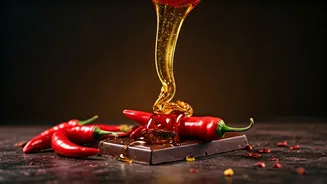
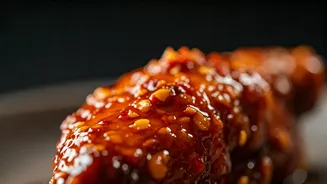
The term 'swicy'—a portmanteau of sweet and spicy—has officially entered the mainstream, capturing the attention of foodies and restaurants across the globe. It describes the addictive combination of sugary sweetness and a fiery kick, a pairing that excites
multiple taste receptors at once. Major trend reports and publications have anointed it as a top flavour profile, with menu offerings featuring 'swicy' growing by 38% in the past year alone. This surge in popularity is often credited to the influence of Gen Z and Millennial diners who crave complex and adventurous flavours. From hot honey drizzled on pizza to mango-chilli sauces, the Western palate is celebrating what it sees as a novel and exciting culinary frontier.
A Familiar Tune in Indian Kitchens
While the name is new, the concept is anything but, especially in India. Indian cuisine, with its roots stretching back thousands of years, has never treated flavours in isolation. The art of Indian cooking is rooted in balance—a symphony of tastes where sweet, sour, salty, bitter, and pungent (spicy) work in harmony. Spices were not just for flavour but were integral to Ayurvedic principles of health and well-being. Long before chilli peppers were introduced to India by European traders in the 1500s, local spices like black pepper and ginger provided heat, which was often balanced with the sweetness of jaggery, honey, or fruit. The arrival of the chilli simply added a new instrument to an already sophisticated orchestra.
A Tour of India’s Swicy Landscape
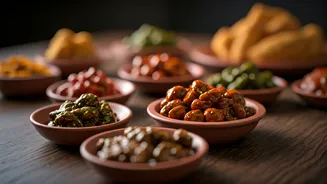
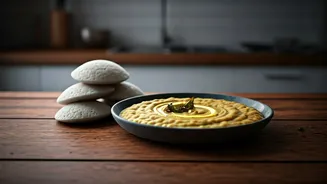
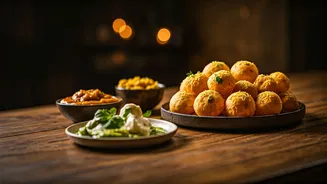
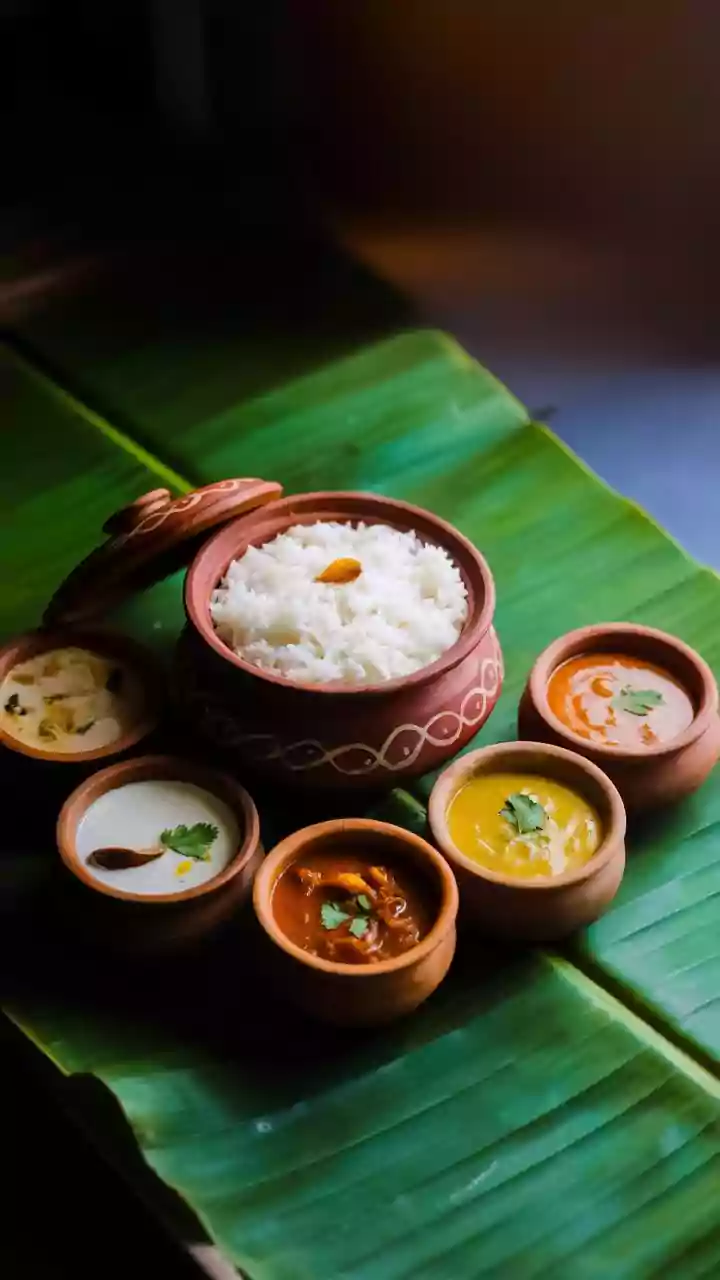
To find 'swicy' in India, one needn't look far. It’s woven into the fabric of daily meals and festive feasts across the country. In Gujarat, the concept is a cornerstone of the cuisine; snacks like dhokla and khandvi are often served with sweet and spicy chutneys. The state's famous dal is renowned for its perfect sweet, sour, and spicy balance. Head east to Bengal, and you'll find intricate chutneys and pickles (achaar) that masterfully blend sweet fruits like mango and dates with the heat of mustard and chillies. Parsi cuisine offers the beloved Dhansak, a lentil dish that harmonises sweet pumpkin and jaggery with a complex, spicy masala.
From Street Stalls to Royal Kitchens
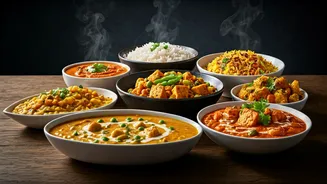
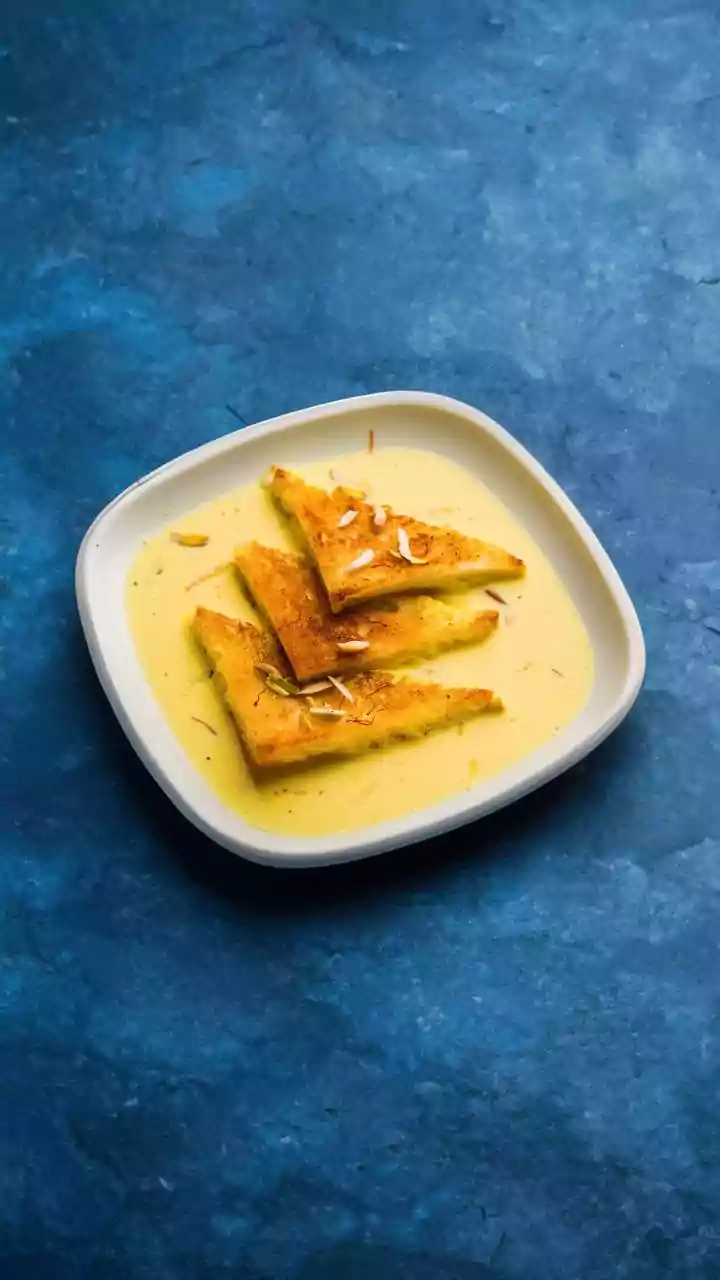
The sweet and spicy profile is not confined to one region or type of dish. In the South, Udupi cuisine features delights like Kabbu Gojju, a unique curry made from sugarcane cooked in a spicy coconut gravy with tamarind and jaggery. Mambazha Pulissery from Kerala is a sublime ripe mango curry that is both sweet and subtly spiced. Even the ubiquitous street food, chaat, is a testament to this principle. A plate of pani puri or dahi vada is an explosion of flavours where the fiery water or spicy masala is balanced by sweet tamarind chutney and cooling yoghurt. From the rich, nuanced curries of the Mughals to the humble, everyday meals, balancing heat with sweetness is a signature of Indian culinary intelligence.