


Why Go Natural?
Traditionally, rangolis were made with natural ingredients that harmonized with nature. Using rice flour was an offering to ants and birds, symbolizing coexistence, while the vibrant hues of flower petals added natural beauty and fragrance. Choosing eco-friendly
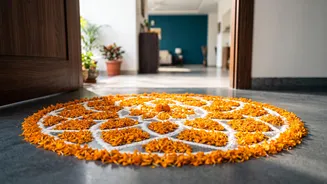
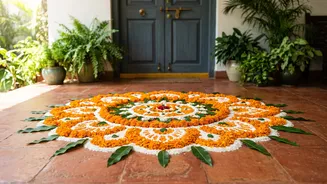
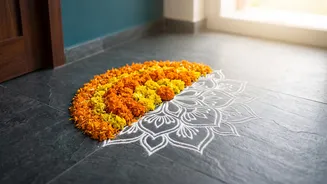
materials like marigold petals and rice flour over chemical-laden powders is a return to this mindful practice. These materials are biodegradable, returning to the earth without causing harm. Marigolds, with their auspicious yellow and orange tones, are a festive staple in India, symbolizing prosperity and positive energy. This approach is not only sustainable but also safe for your family and the environment, preventing exposure to harmful chemicals often found in synthetic colours.
Gathering Your Materials
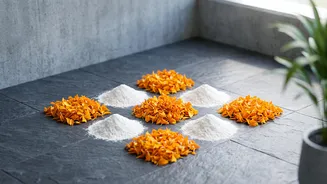
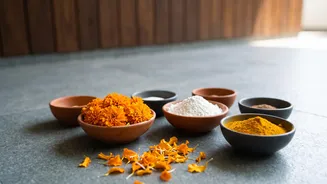
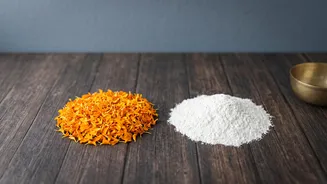
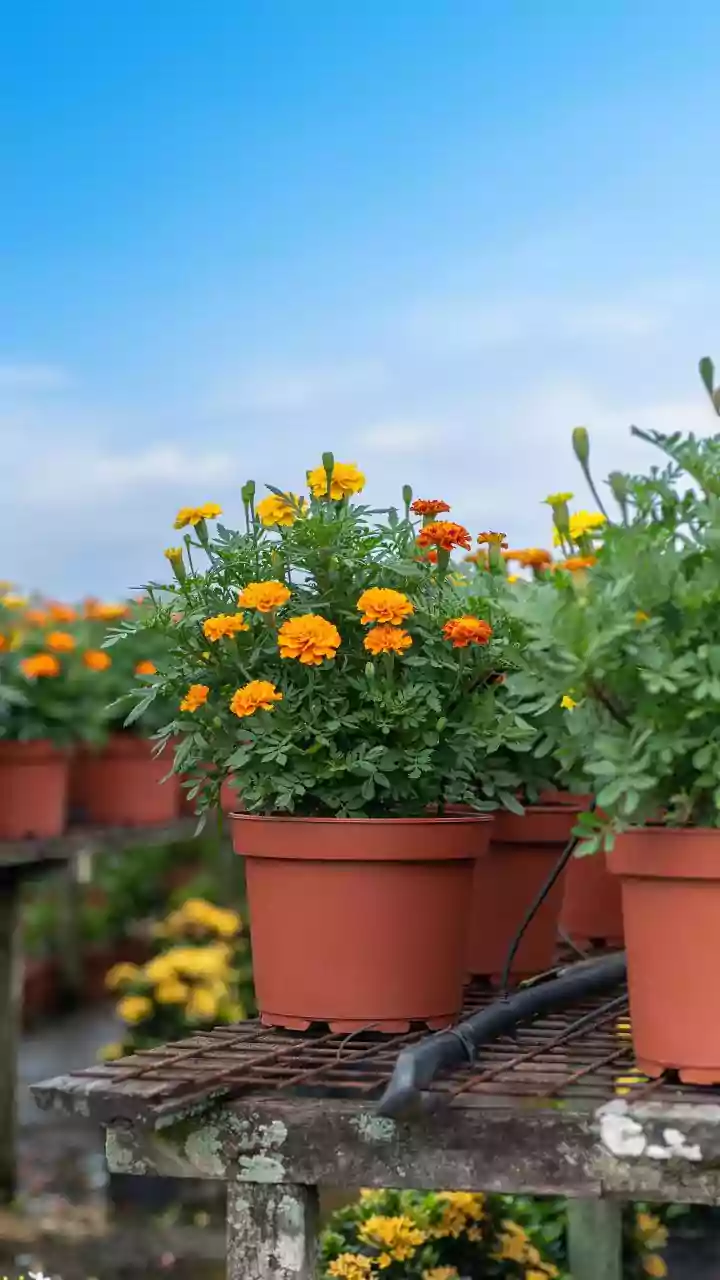
Creating your natural rangoli is simple, and most materials can be found in your kitchen or garden. Here’s a basic checklist to get started: Fresh Marigold Flowers: Collect a generous amount of bright orange and yellow marigolds. Their durability makes them perfect for rangoli designs. Rice Flour: This will serve as your white base and outline. It’s a traditional element that provides a clean, pure look. Other Natural Elements (Optional): Consider adding other flower petals like rose or jasmine for different colours. You can also use green leaves for borders or natural powders like turmeric for yellow and kumkum for red to add more vibrancy. A Clean Surface: Prepare your doorstep or chosen area by wiping it clean. A slightly damp surface can help the rice flour and petals adhere better.
Preparation is Key
Before you begin your design, a little preparation goes a long way. Gently separate the petals from the marigold heads. If you're using flowers of different colours, keep the petals in separate bowls. For the rice flour, you can use it as is for a brilliant white outline. If you wish to create more colours, you can mix small portions of the flour with natural ingredients. For example, mix rice flour with turmeric powder for a vibrant yellow, or with beetroot powder for a lovely pink or red hue. You can even soak rice in naturally dyed water (like spinach water for green) and then dry it out for a colourful, grainy texture.
A Step-by-Step Guide to Your Design
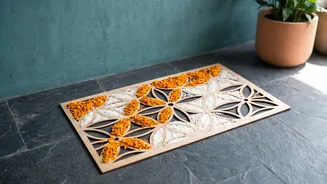
Even a simple design can look stunning. Don't feel pressured to create something overly complex; the beauty of natural rangoli lies in its charm. 1. Sketch an Outline: It’s helpful to have a plan. Lightly trace your design on the floor with a piece of chalk. Simple geometric shapes, circular mandalas, or floral patterns work wonderfully.2. Create the Border: Using rice flour, create the main outline of your design. A paper cone with a small hole at the tip can help you pour the flour neatly, much like applying mehendi.3. Fill with Petals: Start filling in the sections of your design with the marigold petals. It’s often easiest to work from the outside in. Pack the petals densely for a rich, carpet-like effect. You can create layers or gradients by using different coloured petals. 4. Add Details: Use the naturally coloured rice flour or other petals to fill in smaller details or create contrasting patterns within your design. Leaves can be used to form elegant borders around your creation.
Making Your Rangoli Last
One of the realities of using fresh flowers is their temporary nature. A fresh petal rangoli typically looks its best for a day or two, especially if kept out of direct sunlight. This fleeting beauty is part of its charm, representing a moment of celebration that leaves no waste behind. To keep it looking fresh for as long as possible, you can lightly mist the petals with water. When the festival is over, these natural materials can be composted or swept into your garden, returning harmlessly to the soil.
The Final Festive Glow
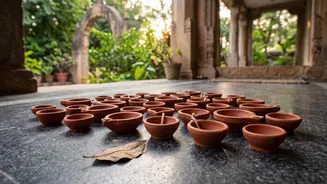
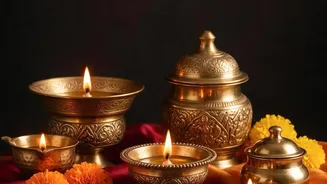
To complete your masterpiece, add the warm glow of diyas. Placing small clay lamps around the border of your rangoli will make it come alive in the evening, creating a welcoming and auspicious entryway for the festivities. The combination of the natural textures, vibrant colours, and gentle light creates a truly magical atmosphere. This simple act connects your celebration to a rich heritage of sustainable and meaningful artistry.