






The Rise of the 'Fourth Meal'
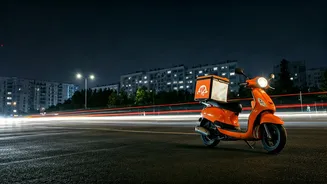
Across India's urban centres, a significant shift is underway. Food delivery platforms, which once adhered to traditional meal times, are now pushing the boundaries of the clock. This expansion into the late-night and early-morning hours has been dubbed
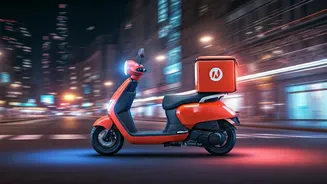
the 'fourth meal' occasion. Over the past year, late-night delivery volumes have doubled, reflecting a fundamental change in consumer habits. This isn't just a fleeting trend; it's a strategic move by giants like Swiggy and Zomato to capture a new, burgeoning market of night owls, late-shift workers, and binge-watchers. Major cities like Mumbai, Bengaluru, and Hyderabad are leading the charge, but the trend is rapidly spreading to Tier-2 and Tier-3 cities as well.
What's Fuelling the Midnight Cravings?
Several factors are driving this after-dark dining boom. A key driver is the changing lifestyle of young, urban Indians, who are working, socialising, and sleeping later than previous generations. The rise of the gig economy, IT sector night shifts, and flexible work-from-home schedules have blurred the lines of the traditional 9-to-5 day. Furthermore, major entertainment and sporting events, such as the recent FIFA World Cup, which are broadcast late at night in India due to time differences, have caused dramatic spikes in orders. Platforms report a 12-15% surge in demand during these events, with items like pizzas, burgers, and snacks being particularly popular.
A New Lifeline for Restaurants
For restaurants, extending operations into the night offers a tantalising opportunity to increase revenue by utilising fixed assets—like kitchens and staff—for longer hours. Quick Service Restaurants (QSRs) and cloud kitchens are best positioned to benefit. Chains like McDonald's and Domino's now have numerous outlets open until 3 AM or later in key markets. For cloud kitchens, which operate without a physical storefront, late-night delivery is a natural fit, allowing them to capture sales with lower overheads when competition is less fierce. However, it comes with challenges, including staffing for unsociable hours and managing a separate, often more limited, late-night menu. Many eateries operate with skeletal staff during these shifts, making the work more hectic.
The View from the Rider's Seat
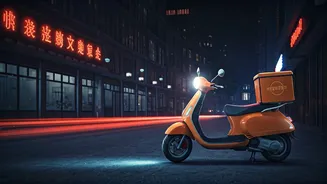
The story of the night-shift era is incomplete without considering the delivery partners who make it possible. For some, late-night work offers advantages like cooler temperatures and significantly less traffic, allowing for faster and more efficient deliveries. However, it also presents unique and serious challenges. Safety is a primary concern, from navigating poorly lit streets to the risk of crime. Logistical hurdles also exist; with fewer riders on the road, platforms may consolidate multiple orders, leading to potentially longer wait times for customers and more complex routes for drivers. While incentives are offered to encourage riders to work these hours, the reality remains a tough balancing act between earnings and well-being in a gig economy that offers little in the way of traditional employment protections.
The Dawn of a 24/7 Appetite
This expansion is more than just a service extension; it's a high-stakes play in the intensely competitive food-tech space. By catering to late-night cravings, platforms are aiming to increase order frequency from their existing user base, a key metric for growth in a market where acquiring new users is becoming more expensive. The growth is not just in restaurant food. Quick-commerce platforms like Blinkit and Zepto are also seeing a boom in late-night orders for snacks, ice cream, and other essentials, with some of their dark stores now operating 24/7. This convergence of food and grocery delivery points to a future where on-demand service is an around-the-clock expectation.