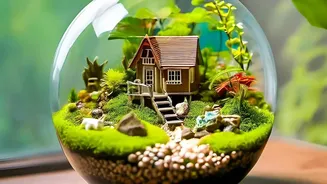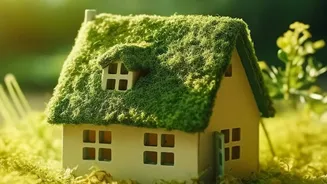



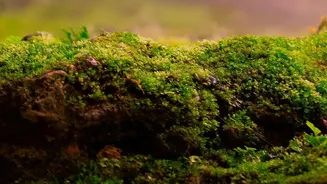

In the hustle of modern life, finding a pocket of peace can feel like a luxury. A moss garden, or 'mossarium', offers just that: a lush, miniature world that brings the quiet beauty of a forest floor into your home without demanding much in return.
The Allure of a Miniature World
A moss
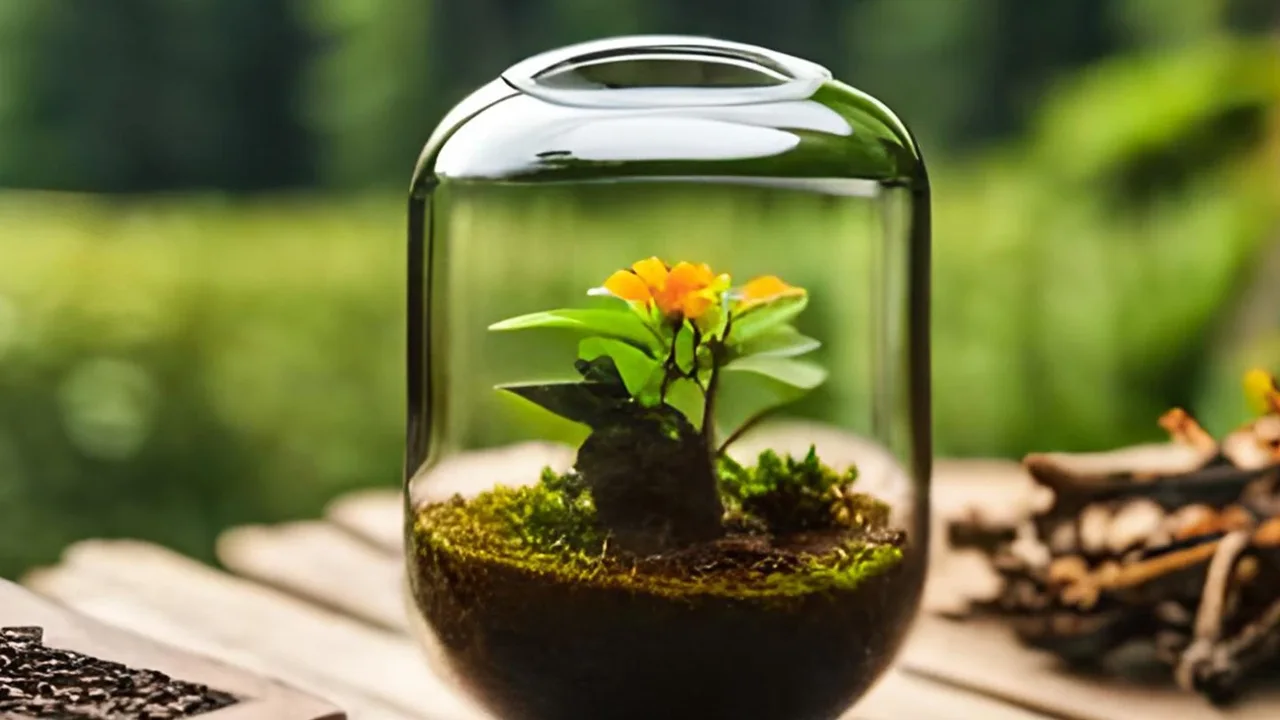
garden is essentially a terrarium that features moss as the primary plant. Unlike other houseplants, mosses have no true roots, absorbing water and nutrients through their leaves. This makes them perfectly suited to the humid, enclosed environment of a glass container. The appeal lies in their simplicity and the tranquil aesthetic they provide. They require minimal maintenance, making them ideal for busy individuals or those new to gardening. A well-crafted moss garden is more than just a plant display; it's a self-sustaining ecosystem that offers a living piece of art and a daily dose of calm. Studies on biophilic design show that bringing natural elements indoors can reduce stress and enhance creativity, and a moss garden is a perfect example of this principle in action.
Gathering Your Supplies
Creating your own moss garden is a rewarding and simple project. Before you start, you'll need to gather a few key materials. Most can be found at local garden centres or specialist online stores. You will need a clear glass container with a lid, as a closed vessel is ideal for maintaining the high humidity that moss loves. You'll also need a drainage layer of small pebbles or gravel, a thin layer of activated charcoal to keep the environment fresh, and a suitable substrate like peat-free compost or coco coir. Finally, you will need the star of the show: live moss. For placing the elements, a pair of long tweezers or chopsticks can be very helpful.
Choosing the Right Moss
Not all moss is the same, and choosing the right type is key to a successful mossarium. For beginners, certain varieties are more forgiving and visually striking in a terrarium setting. Cushion Moss, known for its soft, dome-shaped mounds, provides instant texture and a classic woodland look. Sheet Moss is another excellent choice; it grows in flat, carpet-like layers that are perfect for covering the substrate and unifying the design. Other popular options available from Indian suppliers include Mood Moss and Java Moss. Java Moss, often used in aquariums, adapts well to the high humidity of a terrarium and is great for covering decorative elements like small branches or rocks.
A Step-by-Step Guide to Creation
With your materials ready, it's time to build your miniature landscape. First, ensure your glass container is clean and dry. Begin by adding a 2–3 cm layer of pebbles for drainage. This layer prevents water from pooling around the moss. Next, add a thin layer of activated charcoal over the pebbles to filter impurities and prevent odours. On top of the charcoal, add about 3–5 cm of your chosen substrate, like compost or coco coir. You can slope the substrate to create a more dynamic, natural–looking terrain. Now for the creative part: arrange your moss pieces on top of the substrate, pressing them down firmly to ensure good contact. You can add decorative stones or small pieces of driftwood to enhance the scene. Once you're happy with the arrangement, give the entire scene a light misting with water.
Caring For Your Moss Garden
The beauty of a closed moss terrarium is its low–maintenance nature. Place your creation in a spot that receives bright, indirect light. Direct sunlight can overheat the glass and scorch the delicate moss. A bit of condensation on the glass is a healthy sign, indicating that the water cycle is active. If the glass becomes heavily fogged, simply remove the lid for a few hours to allow some moisture to evaporate. You will rarely need to water it—perhaps only a few times a year. If the moss starts to look pale or the soil feels dry, it's time for a light misting. Always use filtered or rainwater if possible, as the chlorine in tap water can harm the moss over time. Should you see any white fluff or mould, it's a sign of too much moisture; remove the affected piece and air out the container for a day.