





Swap White Rice for Millets
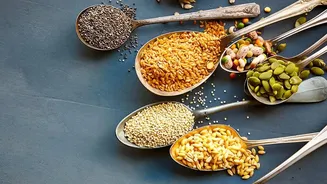
Polished white rice has long been a staple, but millets like jowar, bajra, and ragi are making a powerful comeback. Millets generally have a lower glycemic index, which helps in managing blood sugar levels. They are also packed with more fibre and protein
than white rice, promoting better digestion and keeping you feeling full for longer. This swap is a simple way to add essential minerals like iron, magnesium, and phosphorus to your daily meals.
Swap Fried Snacks for Roasted Makhana
Instead of reaching for a bag of fried chips or namkeen, consider roasted makhana (fox nuts). These puffed lotus seeds are incredibly light, low in calories, and naturally rich in protein and fibre. Unlike deep-fried snacks, makhana can be dry-roasted or lightly tossed in a touch of ghee, making them a heart-friendly option that satisfies the need for a crunchy bite. Season them with your favourite spices for a guilt-free evening snack.
Swap Refined Flour for Whole Wheat Atta
Maida, or refined all-purpose flour, is used in everything from naan to biscuits. However, it's stripped of its natural fibre and nutrients during processing. Switching to 100% whole wheat atta ensures you get the full benefits of the grain, including more fibre, B vitamins, and minerals. This simple change supports better digestion and provides more sustained energy compared to the quick spikes associated with refined flour.
Swap Sugary Drinks for Coconut Water or Chaas
Packaged juices and sodas are often loaded with hidden sugars. A refreshing and healthier alternative is natural coconut water or a glass of spiced buttermilk (chaas). Coconut water is a natural source of electrolytes like potassium, making it excellent for hydration. Chaas, on the other hand, is a probiotic drink that cools the body and aids digestion, especially after a heavy meal.
Swap Potato-Based Breakfasts for Protein-Rich Options
Many traditional Indian breakfasts can be heavy on carbohydrates. Instead of aloo paratha or puri, start your day with a high-protein option like a moong dal chilla, paneer bhurji, or a bowl of sprouts. A protein-focused breakfast helps in building and repairing tissues, boosts metabolism, and keeps you feeling satiated until lunch, preventing mid-morning cravings.
Swap Refined Sugar for Jaggery
Refined white sugar offers empty calories, while jaggery (gur) retains some of its nutritional value from sugarcane juice or palm sap. It contains trace amounts of minerals like iron, potassium, and magnesium. While it is still a form of sugar and should be consumed in moderation, using jaggery to sweeten your tea, coffee, or desserts is a step up from its highly processed counterpart.
Swap Cream-Based Curries for Yogurt-Based Ones
Rich, creamy curries like korma or butter masala are delicious but often high in fat and calories. A lighter yet equally tasty option is to use yogurt (dahi) as a base. Yogurt provides a pleasant tanginess and creaminess while adding the benefits of probiotics for gut health. For best results, use full-fat yogurt and add it towards the end of the cooking process on low heat to prevent it from splitting.
Swap Potato Chips for Roasted Chana
Roasted chana (chickpeas) is another fantastic substitute for oily potato chips. It is an excellent source of plant-based protein and dietary fibre, making it a very filling snack. The combination of protein and fibre helps stabilise blood sugar levels and keeps hunger pangs at bay. A handful of spiced roasted chana is a simple, affordable, and nutritious way to snack smart.
Swap Packaged Sauces for Homemade Chutneys
Store-bought ketchup and sauces often contain high levels of sugar, sodium, and preservatives. Swap them for fresh, homemade chutneys made from ingredients like mint, coriander, tamarind, or peanuts. These chutneys not only add vibrant flavour but also retain the natural vitamins and antioxidants of their core ingredients, offering a much healthier way to complement your meals.
Swap Refined Cooking Oils for Cold-Pressed Oils
Highly refined vegetable oils go through extensive processing that can strip them of their natural nutrients. Consider swapping them for traditional, cold-pressed oils like mustard, sesame, or groundnut oil, or using A2 ghee in moderation. Cold-pressing helps retain more of the oil's natural flavour, aroma, and nutrient profile. Using these oils thoughtfully can add a new dimension of flavour and health benefits to your cooking.