


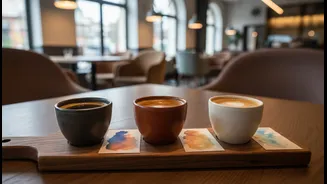
Beyond Caramel and Hazelnut
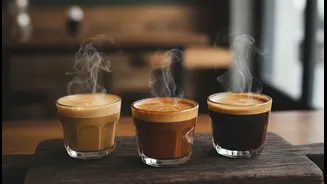
For years, the Indian café scene has been dominated by a familiar menu of international flavours. Lattes, cappuccinos, and cold brews were often customised with imported syrups like vanilla, Irish cream, and hazelnut. While popular, this created a sense
of uniformity, where a coffee in Delhi could taste identical to one in Mumbai or Bengaluru. Now, a growing number of café owners and baristas are pushing back against this homogenisation. They are reaching into India’s own rich culinary pantry, rediscovering complex, aromatic, and historically significant regional spice blends, or masalas, to create signature flavour profiles that are uniquely Indian. This shift is not just about flavour; it's about identity. It represents a confident step away from globally dictated trends and a move towards celebrating local ingredients and heritage in a modern, accessible format.
A Journey Through India's Spice Chest
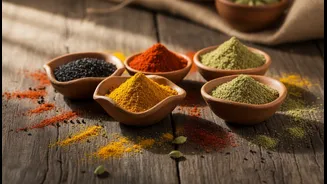
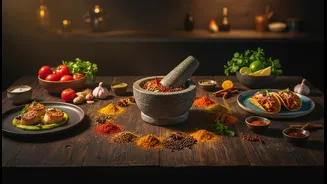
The masalas being adopted are as diverse as India itself. In Maharashtra, Goda Masala, a subtly sweet and aromatic blend containing roasted coconut and unique spices like stone flower (dagad phool), is finding its way into coffee. Traditionally used in dals and vegetable dishes, its warm, earthy notes are being used to create nuanced cold brews and spiced lattes. Down south, the 'gunpowder' has been ignited in a new context. Milagai Podi, a coarse and fiery mix of roasted lentils, chillies, and seeds, is no longer just for idlis and dosas. Its explosive flavour and crunchy texture are being sprinkled on avocado toast and even used to rim glasses for savoury mocktails. From Mumbai, the closely guarded East Indian Bottle Masala, a complex blend of up to 40 spices, is lending its deep, smoky flavour to everything from inventive sandwiches to marinades for café-style small plates. Even the five-seed blend of Panch Phoron from the East is being used to create aromatic syrups for teas and sodas.
Why Now? The Quest for Authenticity
Several factors are driving this trend. For one, there is a growing consumer demand for authenticity and novelty. Diners and coffee drinkers are more adventurous than ever, eager to explore new tastes that have a story. Using a regional masala allows a café to offer a product that can't be easily replicated, giving them a unique selling proposition in a crowded market. Chefs and food entrepreneurs are also leading this charge, driven by a desire to showcase India's incredible culinary diversity. They see these spices not as old-fashioned relics but as a vibrant palette of flavours waiting for a contemporary canvas. By incorporating them into café menus, they are preserving culinary heritage and introducing it to a new generation in a format they understand and appreciate. This movement also aligns with a broader push towards using local and seasonal ingredients, reducing carbon footprints, and supporting local economies.
Balancing Tradition with a Modern Palate
Infusing a latte with Goda Masala or creating a Panch Phoron syrup isn't as simple as just adding the spice mix. The process requires skill, experimentation, and a deep understanding of flavour. The spices in these blends are potent and designed for savoury dishes, so balancing them for a beverage or a light snack is a delicate art. The goal is not to overwhelm the coffee or tea but to complement it, creating a harmonious blend of the familiar and the new. For instance, the bitterness of coffee needs to be balanced with the specific sweet, sour, or pungent notes of the chosen masala. This often involves creating custom extracts, syrups, or infusions where the intensity of the spice can be carefully controlled. Chefs and baristas spend weeks, if not months, perfecting these recipes to ensure the final product is both intriguing and delicious, successfully bridging the gap between a traditional kitchen and a modern café.