


The Soul of a Simple Dish
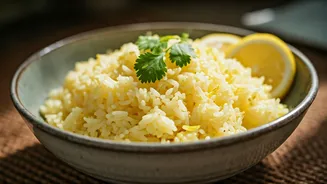
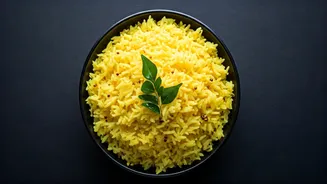
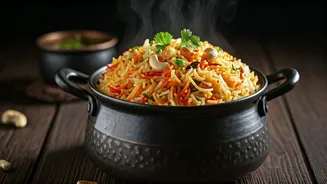
Few dishes capture the essence of South Indian comfort food quite like lemon rice, known regionally as chitranna or nimmakaya pulihora. It’s a culinary chameleon—perfect for a quick lunch, a travel meal that won’t spoil, or a blessed offering (prasadam)
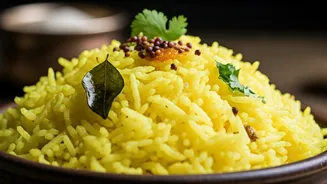
at a temple. Its genius lies in its balance. The sharp, zesty tang of fresh lemon juice cuts through the mildness of cooked rice, while a fragrant tadka—mustard seeds, curry leaves, and a pinch of asafoetida sizzling in hot oil—lays down a complex aromatic foundation. A whisper of turmeric gives it that iconic, sunny yellow hue. In its purest form, it is already a delight. But the true magic of lemon rice happens when a textural element is introduced, creating a counterpoint to the soft, fluffy grains.
The Usual Suspects for Crunch
Traditionally, that crucial crunch comes from one of two sources: dals or cashews. A spoonful of chana dal and urad dal, fried in the tadka until golden, is the most common addition. They offer a firm, nutty bite that punctuates the softness of the rice. They are reliable, familiar, and do their job admirably. Then there are the cashews. Often seen as a more luxurious alternative, cashews add a creamy richness and a softer, more buttery crunch. They signal a special occasion, a slightly more indulgent version of the everyday classic. While both are perfectly acceptable, neither achieves textural perfection. The dals, while crunchy, can sometimes be a bit too hard or gritty. The cashews, lovely as they are, can lose their crispness quickly, softening as they absorb the moisture from the rice.
The Peanut’s Textural Triumph
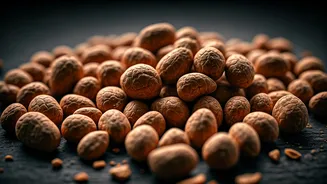
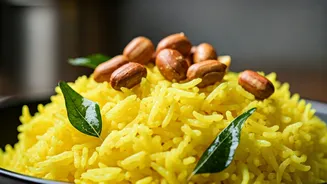
This is where the humble peanut enters the frame, not as a substitute, but as the superior choice. The crunch of a perfectly fried peanut is in a league of its own. It’s not the dense hardness of a dal or the gentle crumble of a cashew. It’s a distinct, audible *crack* that gives way to a creamy interior. This textural contrast is dramatic and deeply satisfying. Each bite offers a delightful surprise: the soft bed of tangy rice followed by the explosive crunch of the peanut. Unlike cashews, peanuts hold their texture remarkably well, remaining crisp even in a tiffin box packed hours earlier. They don’t just add crunch; they add an experience, transforming a one-note texture into a dynamic interplay of soft and sharp.
More Than Just a Bite
But the peanut’s superiority isn’t just about texture. It’s also about flavour. While dals are relatively neutral and cashews are mildly sweet, peanuts bring a robust, earthy, and deeply roasted flavour that beautifully grounds the high-flying acidity of the lemon. The bright, citrusy notes are balanced by the deep, nutty undertones. Frying the peanuts in the tadka infuses them with the fragrant spices, making them little flavour bombs scattered throughout the dish. This flavour complexity is what elevates the entire experience. The lemon is brighter, the spices are more pronounced, and the rice itself feels more substantial, all because the peanut provides the perfect savoury foundation.
How to Get It Just Right
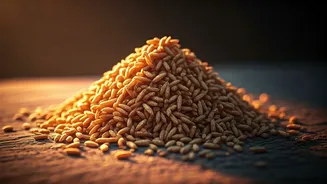
The secret to unlocking the peanut's full potential lies in the preparation. Start with raw, skin-on peanuts for the best flavour and texture. Forget the pre-roasted, salted kind from a packet; they won’t work. Add them to the hot oil right after the mustard seeds have finished spluttering. Fry them on a medium flame, stirring frequently, until they turn a deep golden brown and their skins start to blister and crack. You’ll hear them pop and sizzle—that’s the sound of perfection. This process not only cooks them through, creating that signature crunch, but also allows them to absorb all the aromatic goodness of the curry leaves, chillies, and asafoetida. Once fried, they become an integral part of the tadka, ready to be mixed into the rice and transform your dish forever.