








The Old Rule: The 'Anabolic Window' Myth
For years, gym culture has been dominated by the concept of the “anabolic window.” This is the supposedly magical 30- to 60-minute period immediately after a workout when your body is primed to absorb nutrients and build muscle. The rule was simple: consume
protein and carbs within this window, or your workout was practically wasted. This belief created a generation of gym-goers who would frantically mix a shake in the locker room, terrified of missing their chance for gains. The idea originated from early studies that showed post-exercise nutrition could influence muscle repair, but this was often misinterpreted to mean that a tiny window of opportunity was the only thing that mattered.
What the Science Now Says: A Wider Window
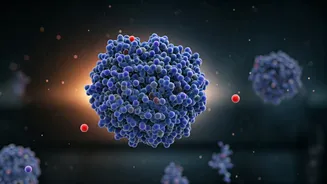
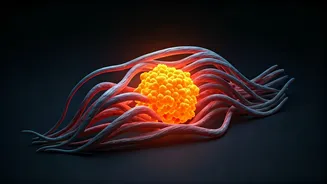
Modern sports nutrition research has largely debunked the idea of a strict, 30-minute anabolic window. Studies have shown that the body's muscle-building processes, known as muscle protein synthesis (MPS), remain elevated for many hours—sometimes up to 24-48 hours—after a resistance training session. This means the “window of opportunity” for your muscles to use protein is much wider than once believed. One study even found that whether protein was consumed immediately after a workout or two hours later, the muscle-building response was nearly identical, provided total daily protein was sufficient. The consensus now is that while nutrient timing isn't completely irrelevant, its importance has been greatly exaggerated.
The Real Priority: Total Daily Protein Intake
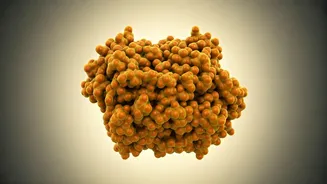
So, if you don't need to stress about the clock, what should you focus on? The answer is simple: total daily protein intake. Across the board, research confirms that the most critical factor for muscle growth is consuming enough protein throughout the entire day. Think of it as providing a steady supply of building blocks for your muscles to use whenever they're ready to repair and grow. For active adults and those looking to build muscle, a common recommendation is around 1.6 to 2.2 grams of protein per kilogram of body weight daily. Hitting this overall target consistently is far more impactful than perfectly timing a single shake or meal.
Simple Rules for When to Eat Protein
Even though the strict post-workout window is a myth, strategic timing can still be beneficial, especially for busy schedules. Here's a simplified approach: * **Pre-Workout:** Having a protein-rich meal or snack 2-3 hours before you train can supply your muscles with amino acids during your workout, which may help performance and kickstart recovery. * **Post-Workout:** Aim to have another protein-rich meal within a few hours after your workout. This ensures your muscles get the nutrients they need for repair without the rush. The goal is to have protein in your system before and after training, within a broad timeframe of several hours. This approach covers your bases without adding stress. The only exception is if you train in a completely fasted state (e.g., first thing in the morning), in which case having a meal sooner after your session is more important.
Practical Protein for the Busy Indian
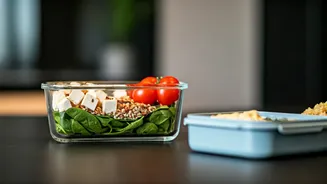
Meeting your protein goals doesn't require expensive supplements. The typical Indian kitchen is full of excellent, affordable options. Focus on incorporating these into your meals throughout the day: * **Paneer (Indian Cottage Cheese):** Rich in slow-digesting casein protein, making it great for keeping muscles fed. A 100g serving contains about 18g of protein. * **Lentils (Dal):** A staple in every household, dals are a fantastic source of plant-based protein and fibre. Combining dal with rice or roti creates a complete protein profile. * **Eggs:** Often called the perfect protein, eggs are affordable, versatile, and contain all essential amino acids. One egg provides about 6g of high-quality protein. * **Curd (Yogurt):** A great source of protein and gut-friendly probiotics. Greek yogurt or hung curd offers an even higher protein concentration. * **Soya Chunks & Chickpeas (Chole):** Both are protein-packed powerhouses that are easy to incorporate into curries and salads.