


The Familiar Fatigue of the Bazaar
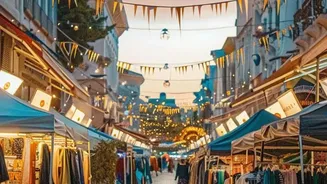
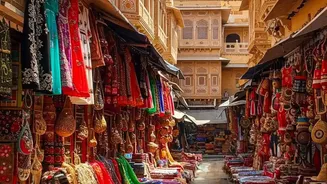
Think of your favourite local market. The air is thick with the scent of fresh spices, marigolds, and street food. Voices call out, vendors hawk their wares, and shoppers navigate the colourful, crowded lanes. It's a place of connection and tradition,
a lively ecosystem that supermarkets can never replicate. But it is also physically demanding. Weighed down by bags of vegetables and household goods, we push through the throng, our feet aching. For many, especially older adults, parents juggling children and shopping, or those with mobility challenges, a market trip can be a daunting physical trial. The joy of the experience is often cut short by sheer exhaustion, forcing a hasty retreat rather than a leisurely exploration.
A Seat is a Symbol of Inclusivity
A place to rest is more than just a piece of furniture; it is a statement about who is welcome in our public spaces. A strategically placed bench offers a moment of relief, turning a stressful outing into a manageable one. For an elderly person, it means they can catch their breath without feeling rushed. For a parent, it is a space to soothe a tired child. For someone recovering from an injury, it makes an essential errand possible. Public seating enhances the accessibility of our community hubs, ensuring that everyone, regardless of age or physical ability, can participate fully in public life. Without these simple amenities, we are unintentionally designing our most vibrant community spaces to exclude some of our most vulnerable citizens.
Good for Community, Great for Business
Shopkeepers and vendors might initially worry about losing valuable space, but the evidence suggests that more comfortable shoppers are better customers. When people have a chance to rest and recharge, they are likely to linger longer, explore more stalls, and ultimately, spend more money. Well-designed public spaces with amenities like seating have been shown to boost local retail spending and activate street life. Instead of a quick, utilitarian trip, the market becomes a destination. Furthermore, these rest spots naturally become social hubs. They are places where neighbours stop to chat, strengthening community bonds. A market that cares for its patrons' comfort builds loyalty and transforms a commercial space into a true community heartland.
Imagining a More Restful Market
What would this look like in practice? It doesn’t require a massive, expensive overhaul. It could be as simple as a few sturdy, shaded benches placed at intervals along the main market route. Imagine a small, clean alcove carved out of a less-used corner, perhaps near a tree or with a simple overhead canopy for protection from the sun and rain. Add a water cooler, and you have created an oasis. The design should be practical and durable, using local materials where possible. The key is thoughtfulness: placing these rest stops where they are most needed, such as near the busiest sections or at the halfway point of a long market lane. It's about integrating rest into the natural flow of the market experience.