




From Clicks to Conversation
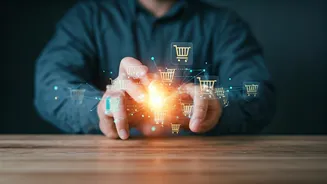
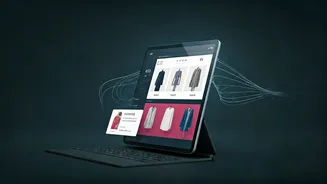
At its core, live commerce is the fusion of live video streaming and e-commerce. Instead of just looking at product photos and reading descriptions, customers join a live broadcast where a host—often an influencer or a brand expert—demonstrates products
in real time. Viewers can ask questions via chat and get immediate answers, see how a dress fits on a real person, or understand the features of a new gadget as it's unboxed and used live on screen. This format closes the gap between seeing a product and buying it, often allowing for instant purchase within the video stream itself. It transforms the solitary act of online shopping into a shared, real-time experience.
The Psychology of the Live Event
So, why is this so effective? The magic lies in its ability to tap into key psychological triggers. Firstly, there's urgency and scarcity. Live events are time-bound, and deals are often exclusive to the stream, creating a compelling 'fear of missing out' (FOMO). When a host mentions that a product has limited stock, it sparks a competitive urge among viewers, similar to the thrill of an auction. Secondly, it leverages social proof. When you see hundreds of other people watching the same stream and making purchases, it validates your own interest and builds trust. It's the digital equivalent of seeing a busy store and wanting to know what's inside.
The Indian Live Commerce Boom
India is proving to be a massive growth frontier for live commerce, second only to China. The market generated nearly USD 5 billion in 2024 and is projected to grow at a staggering rate, potentially reaching over USD 140 billion by 2033. This rapid adoption is fueled by a perfect storm of factors: widespread smartphone and internet penetration, the world's most advanced digital payment infrastructure in UPI, and a massive, young, tech-savvy population. Major players like Flipkart, Amazon India, and Meesho have all integrated live shopping features, recognising the shift from search-based e-commerce to discovery-led social commerce.
More Than a Transaction, It's a Community
What truly sets live commerce apart is the sense of community. Unlike traditional e-commerce, which is a one-to-one interaction between a consumer and a website, live commerce is a one-to-many event. Viewers interact not just with the host, but with each other. This creates a shared experience and a sense of belonging. In India, this is amplified by the rise of micro- and regional-language influencers, who build deep trust and connection with niche audiences. For many, tuning into a live shopping stream is as much about the entertainment and social connection as it is about the products themselves, replicating the social aspect of shopping that has always been a part of Indian culture.
What's Next for Your Shopping Cart?
The future of live commerce in India looks even more immersive. Experts predict the integration of technologies like Augmented Reality (AR) for virtual 'try-ons' and AI-powered personalisation to make the experience even more tailored. As the model expands from major cities into non-metro areas, it will become an even more significant part of India's retail landscape. The leading product categories are currently fashion, apparel, beauty, and electronics, which all benefit from live demonstrations. The line between entertainment and shopping is blurring, and live commerce is leading the charge, proving that the future of retail may not just be online, but live.