

Beyond Butter Chicken
A quiet revolution is simmering in India’s kitchens. For decades, the perception of Indian cuisine, both at home and abroad, was often limited to a familiar roster of rich, North Indian staples. But that tide is turning. A growing movement is championing
a return to roots, moving beyond a monolithic idea of 'Indian food' and diving deep into the country's staggering regional diversity. This isn't just about reviving old recipes; it's a philosophical shift. Chefs are acting as cultural custodians, driven by a desire for authenticity, sustainability, and a deeper connection to India's agricultural heritage. The result is a culinary landscape that celebrates micro-cuisines, where the story behind an ingredient is as important as its taste.
The Pantry Rediscovered
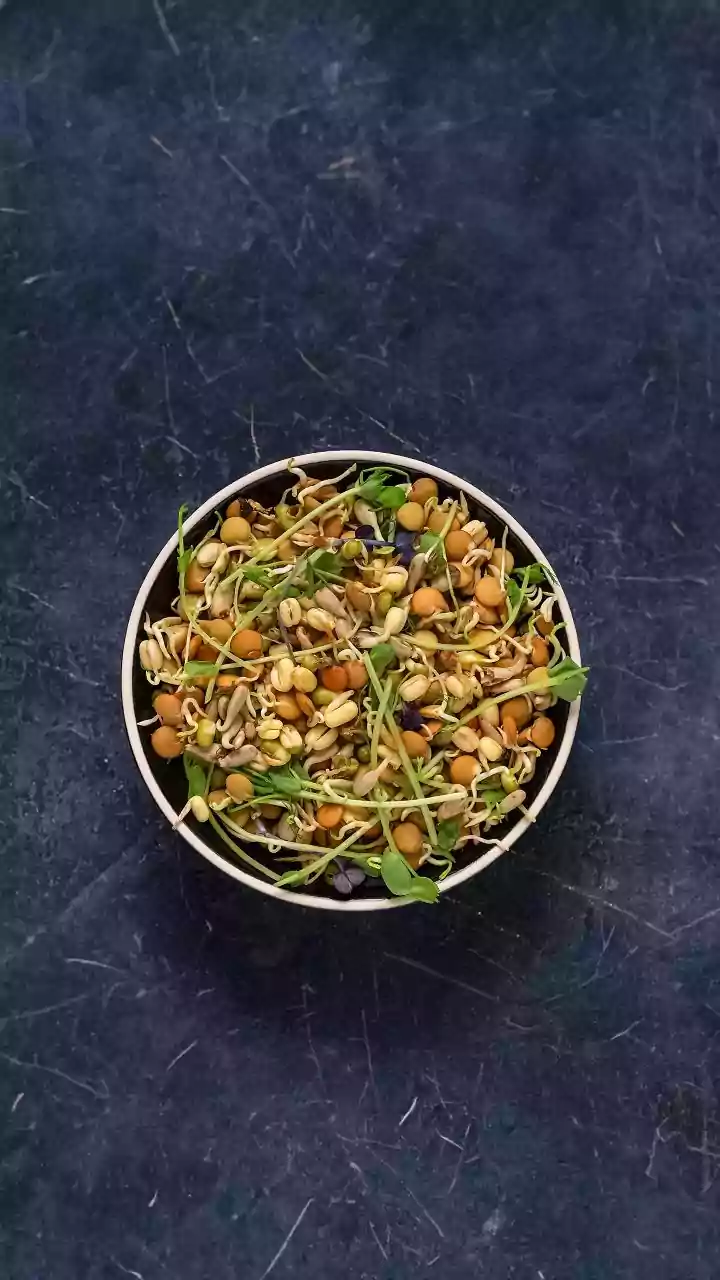
The stars of this new movement aren't imported avocados or quinoa; they're humble, hyperlocal ingredients once relegated to grandmother's pantries. Chefs are scouring local markets to unearth forgotten treasures. Take kokum, a sour, purple fruit from the western coast, traditionally used in drinks and curries. Now, its clean, berry-like acidity is being used in contemporary marinades and sorbets. Similarly, lichen, known as kalpasi or stone flower, is being appreciated for the smoky, earthy aroma it lends to dishes beyond just Chettinad chicken. This extends to staples, too. Climate-resilient grains like millets and nutrient-dense pulses like horse gram (kulith) are moving from rural staples to the stars of modern, health-conscious menus. This is a celebration of provenance, where an heirloom grain from a small farm is the new luxury.
The Wisdom in the Technique
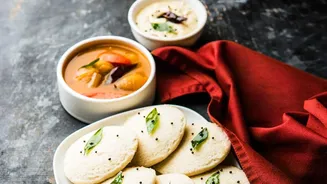
Alongside forgotten ingredients, ancient cooking methods are being revived, prized for the depth and flavour they impart. The art of patience is making a comeback through techniques like 'dum pukht', where food is sealed in a pot and slow-cooked over a low flame for hours, allowing flavours to meld beautifully. Earthen clay pots are also returning to professional kitchens, their porous nature allowing for slow evaporation and imparting a subtle earthiness that steel cannot replicate. Even the primal method of cooking over an open fire is being embraced to give dishes like baingan bharta a smoky char. Furthermore, the quiet science of fermentation, long a staple in Indian homes for making dosa, idli, and pickles, is now being celebrated for its gut-health benefits, with chefs experimenting with house-fermented beverages and probiotic broths.
From the Restaurant to the Home
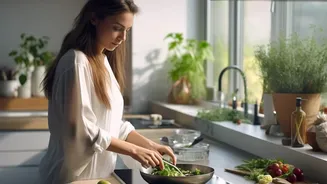
While visionary chefs are leading this charge, the trend has a powerful echo in home kitchens. Spurred by a renewed interest in wellness and perhaps a dose of nostalgia, many are realising that the foods their grandparents ate were inherently healthy and sustainable. What was once simply 'food' is now being understood through the lens of modern wellness: fermented foods are natural probiotics, traditional meals are rich in diverse fibres, and spices like turmeric are potent anti-inflammatories. Social media has played a role, romanticising the slow, deliberate process of traditional cooking in a world obsessed with speed. This movement isn't about rejecting modernity but integrating the wisdom of the past into daily meals, making them more intentional, flavourful, and deeply nourishing.